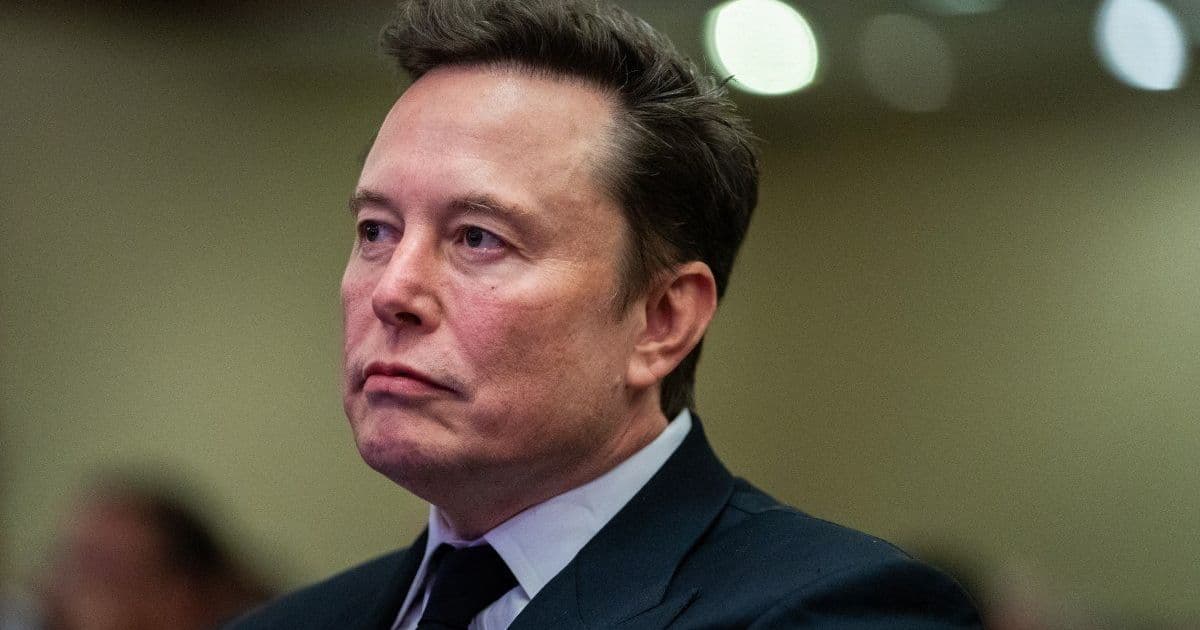
Elon Musk's newly released deposition in his lawsuit against OpenAI reveals sharp criticism of OpenAI's safety practices, with Musk claiming Grok has a better safety record because "nobody committed suicide because of Grok." The deposition comes amid escalating tensions between Musk's xAI and OpenAI, as both companies race to dominate the AI market while facing increasing scrutiny over safety, military applications, and corporate governance.
In a newly released deposition that has sent shockwaves through the AI industry, Elon Musk has launched a scathing attack on OpenAI's safety record while defending his own AI chatbot Grok. The deposition, filed as part of Musk's ongoing legal battle against OpenAI, contains a particularly striking claim: "nobody committed suicide because of Grok."
This inflammatory statement comes at a time of unprecedented tension in the AI sector, with multiple tech giants racing to dominate the market while facing mounting pressure over safety concerns, military applications, and corporate governance.
The Safety Debate Heats Up
The deposition reveals Musk's deep skepticism about OpenAI's approach to AI safety. While OpenAI has positioned itself as a leader in responsible AI development, Musk's comments suggest he believes the company has fallen short of its own standards.
This criticism comes as no surprise given Musk's history with OpenAI. The Tesla and SpaceX CEO co-founded the organization in 2015 but later departed amid disagreements over its direction. Now, with his own AI company xAI competing directly with OpenAI, the rivalry has intensified.
Grok's Safety Record Under Scrutiny
Musk's claim about Grok's safety record raises important questions about how AI safety is measured and reported. While no suicides have been directly linked to Grok, the broader impact of AI chatbots on mental health remains a subject of ongoing research and debate.
Grok, xAI's chatbot, has positioned itself as a more "rebellious" alternative to other AI assistants, with fewer content restrictions. This approach has drawn both praise for its transparency and criticism for potentially enabling harmful content.
The Pentagon AI Controversy
Meanwhile, the AI industry is grappling with another major controversy: the use of AI in military applications. Anthropic, another major AI player, has found itself in a standoff with the Pentagon over demands to remove safety safeguards from its Claude AI system.
Anthropic CEO Dario Amodei has stated the company cannot "in good conscience" accede to these demands, highlighting the ethical dilemmas facing AI companies as governments seek to leverage their technology for military purposes.
OpenAI's Explosive Growth
Despite the controversies, OpenAI continues to dominate the AI landscape. The company recently raised $110 billion at a staggering $730 billion pre-money valuation, more than double its previous funding round.
OpenAI reports that ChatGPT now has 900 million weekly active users and 50 million consumer subscribers. The company's Codex coding assistant has seen weekly users more than triple to 1.6 million since the start of the year.
The Amazon-OpenAI Alliance
In a major industry development, Amazon has announced a massive investment in OpenAI, committing $15 billion initially with another $35 billion contingent on certain conditions. This deal gives OpenAI access to approximately 2 GW of Trainium capacity through AWS.
However, industry observers note that Amazon is paying roughly 16 times what Microsoft paid per OpenAI percentage point, highlighting the high cost of entering the AI race late.
Corporate Governance Concerns
Beyond the technical and ethical debates, the AI industry is facing growing scrutiny over its corporate governance. OpenAI recently fired an employee for insider trading on prediction markets like Polymarket, highlighting the financial stakes involved in AI development.
The company has also faced criticism for its handling of safety protocols, particularly after failing to alert Canadian authorities about a suspect in the Tumbler Ridge case.
The Future of AI Safety
As AI systems become more powerful and ubiquitous, the debate over safety and ethics is likely to intensify. Musk's deposition, while provocative, underscores the real concerns about how these systems are developed and deployed.
Key questions facing the industry include:
- How should AI safety be measured and reported?
- What role should governments play in regulating AI?
- How can companies balance innovation with responsibility?
- What safeguards are needed for military applications of AI?
Market Implications
The AI safety debate has significant market implications. Investors are increasingly factoring safety and ethical considerations into their valuations of AI companies. Companies that can demonstrate robust safety protocols may gain a competitive advantage.
However, the race for AI dominance continues to drive massive investments and rapid innovation. The tension between speed and safety remains a central challenge for the industry.
Looking Ahead
As the AI industry continues to evolve, the debate sparked by Musk's deposition is likely to shape the conversation around AI safety and ethics for years to come. The outcome of his lawsuit against OpenAI could also have far-reaching implications for the industry's structure and governance.
What's clear is that the AI revolution is far from smooth sailing. As these powerful technologies become more integrated into our daily lives, the stakes for getting safety and ethics right have never been higher.
The AI industry stands at a crossroads, with competing visions for how to balance innovation with responsibility. Whether Musk's criticisms of OpenAI will lead to meaningful changes in the industry remains to be seen, but one thing is certain: the debate over AI safety is just beginning.
Comments
Please log in or register to join the discussion