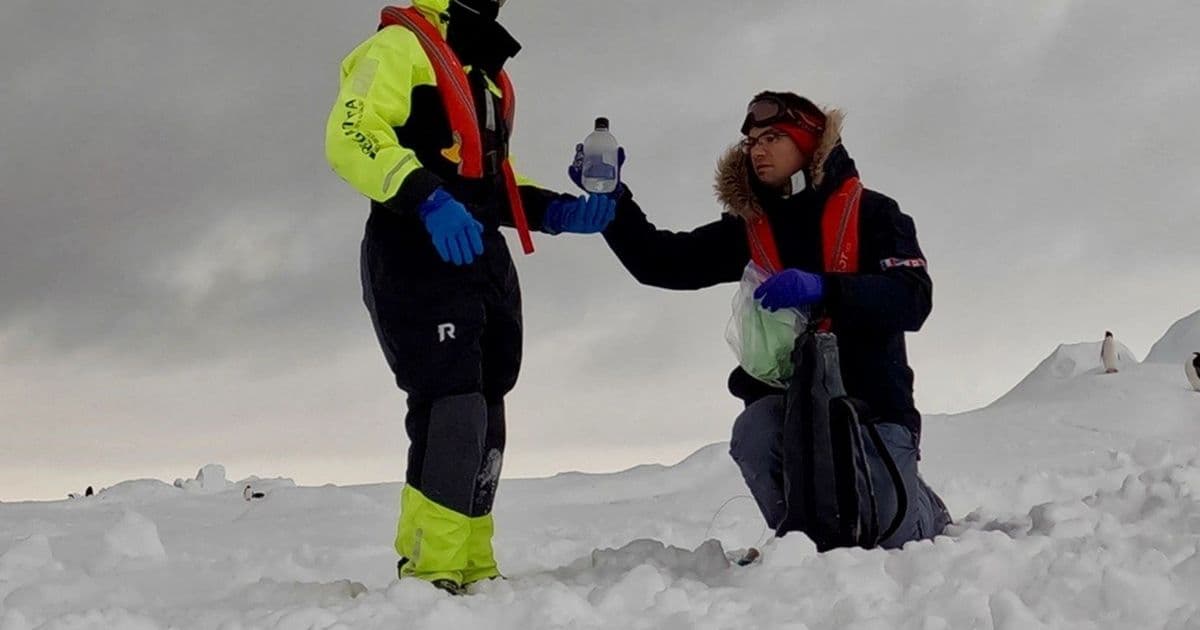
NASA researchers drilled 3,675 feet beneath Antarctic ice to collect isolated seawater samples that will simulate how cryovolcanic eruptions alter ocean chemistry on icy moons like Enceladus and Europa.
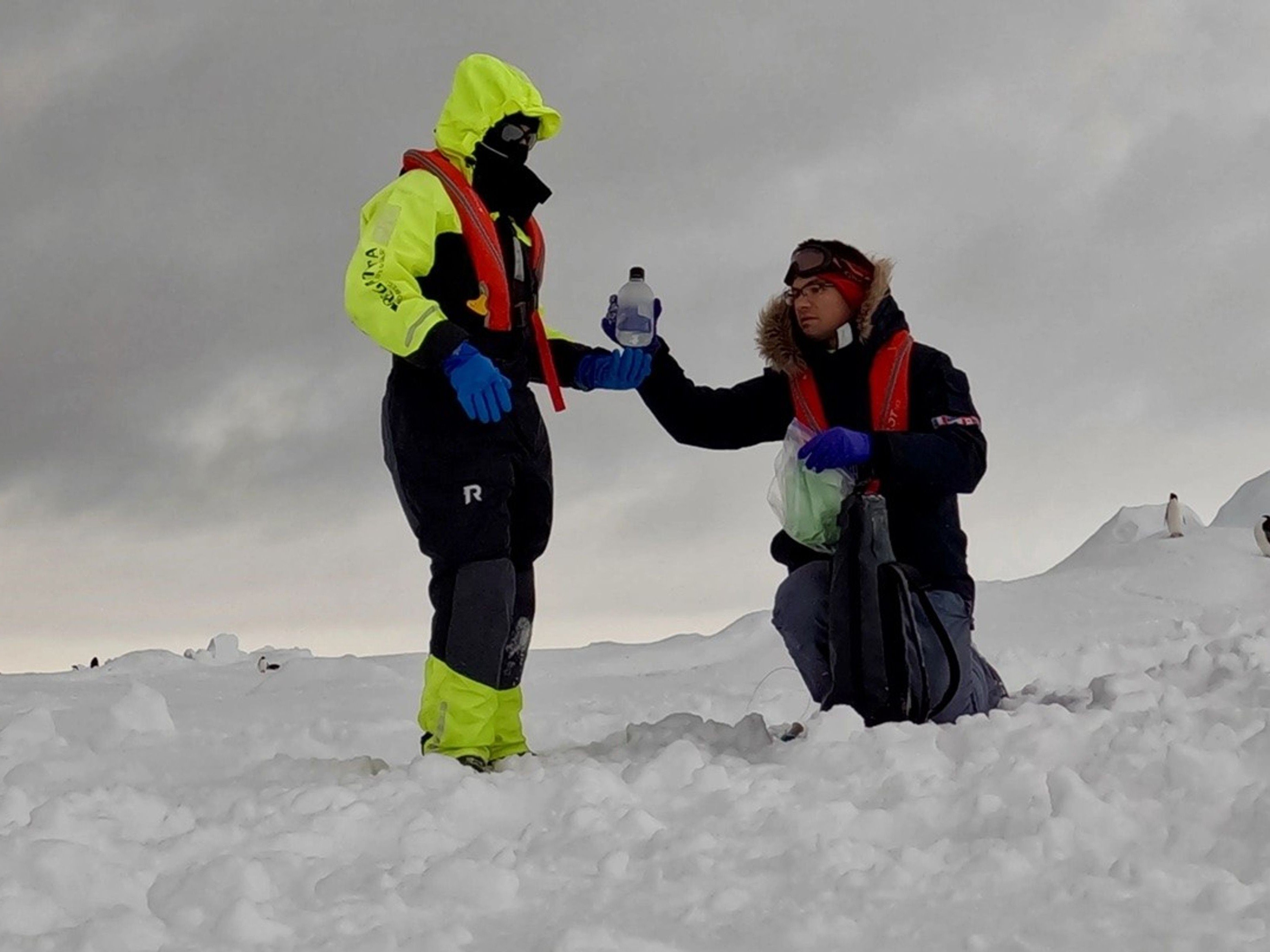
The quest to find extraterrestrial life has taken researchers to one of Earth's most extreme environments: deep beneath Antarctic ice. NASA scientists recently drilled through 1,120 meters (3,675 feet) of ice in the Weddell Sea to collect pristine seawater samples isolated from sunlight. This ambitious operation isn't just about studying Earth's oceans—it's a crucial simulation for future missions to icy moons like Saturn's Enceladus and Jupiter's Europa, where subsurface oceans might harbor microbial life.
Unlike traditional planetary exploration requiring complex drilling equipment, moons like Enceladus offer scientists a unique sampling opportunity through cryovolcanism. These ice-covered worlds occasionally erupt, shooting plumes of subsurface ocean material into space through cracks in their frozen crusts. NASA's Europa Clipper mission, scheduled to reach Jupiter's moon in 2030, plans to analyze such plumes directly. However, the journey from deep ocean to space fundamentally changes organic compounds through exposure to vacuum, radiation, and extreme temperature shifts. These alterations could mask biomarkers or create false positives in the search for life.
Led by researchers Mariam Naseem and Marc Neveu, the Antarctic expedition specifically targeted Deep Circumpolar Current water east of the Antarctic Peninsula. At this depth, complete darkness and isolation from surface contamination create conditions strikingly similar to extraterrestrial ocean worlds. The collected samples will undergo rigorous testing in specialized space-environment simulators at NASA facilities. These experiments will replicate the violent transition from high-pressure liquid environments to the vacuum of space, analyzing how amino acids, lipids, and other potential biosignatures transform during cryovolcanic eruptions.
This research addresses a critical gap in astrobiology. Previous studies focused either on Earth's deep-sea hydrothermal vents or synthetic lab simulations. By testing actual seawater subjected to authentic cryovolcanic conditions, NASA gains unprecedented data on molecular degradation patterns. The results will directly impact how future missions like Europa Clipper interpret plume composition data. For instance, if certain organic compounds degrade into specific chemical byproducts during ejection, scientists can adjust their search parameters for life detection instruments.
Technically, the Antarctic drilling operation presents parallels to proposed subsurface access methods for ocean worlds. While Enceladus allows relatively accessible plume sampling, thicker icy crusts like Europa's might require drilling operations similar to this Antarctic effort. The 1,120-meter depth achieved here approaches the scale needed for Europa access, where ice shells range from 15-25 kilometers thick. Successfully retrieving uncontaminated samples through kilometer-thick ice demonstrates engineering solutions for maintaining sterile conditions—a necessity when hunting for microscopic alien life.
The implications extend beyond planetary science. Instruments validated through this Antarctic research could be miniaturized for space missions, prioritizing lightweight spectrometers capable of detecting degraded organic material. For astrobiologists, understanding cryovolcanic alteration helps differentiate between sterile chemical reactions and genuine biological processes. As NASA prepares to analyze actual plumes from icy moons within this decade, these Antarctic simulations provide the essential baseline for interpreting what extraterrestrial ocean samples might reveal about life's potential beyond Earth.
Source: NASA Astrobiology
Comments
Please log in or register to join the discussion