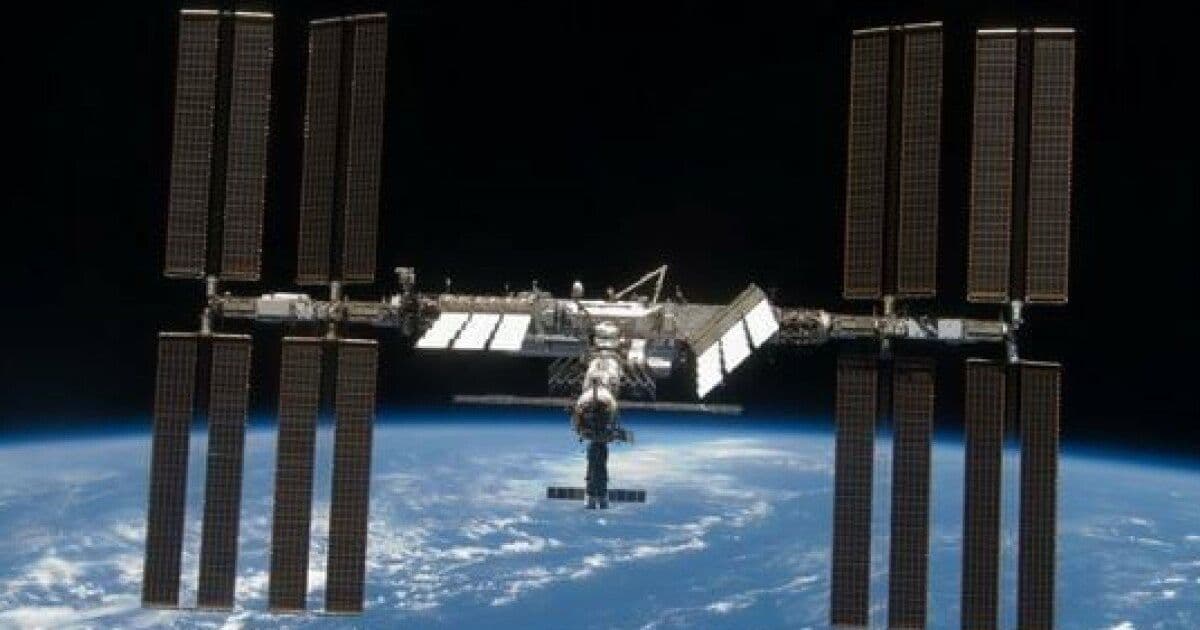
NASA stopped Roscosmos from cutting into the aging Zvezda module after engineers warned that the work could stress cracks in the International Space Station.
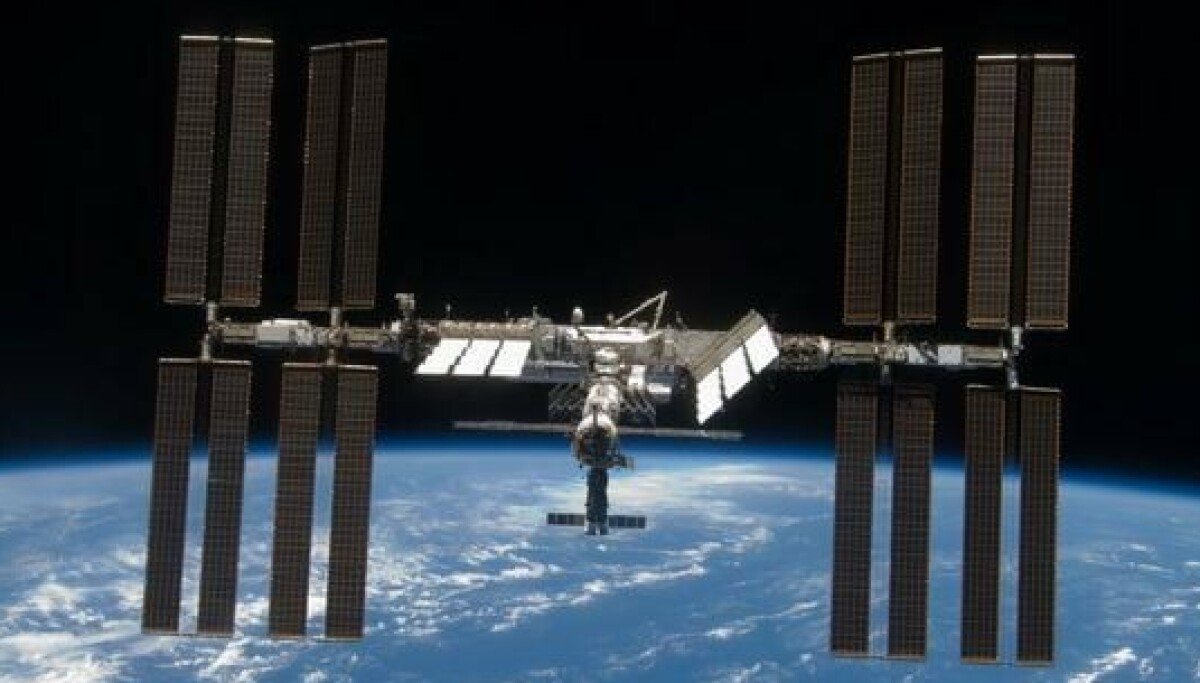
NASA rejected a Roscosmos plan to cut into part of the International Space Station after engineers warned that the work could put extra stress on cracks in Russia's aging Zvezda service module.
The dispute centers on Zvezda's transfer tunnel, known by its Russian abbreviation, PrK. The section has leaked air for years, and crews keep its hatch closed except when they need access. A recent rise in the leak rate pushed NASA astronauts into a docked SpaceX Dragon capsule as a shelter option.
The Register reported that Roscosmos discussed using a handsaw to cut a bracket and inspect a suspected leak area. Other reports said cosmonauts considered a drill. NASA said the revised approach involved cutting a bracket to get better access to a possible leak source, and the agency warned that the method could raise structural risk in the area.
NASA and Roscosmos have not issued full public statements on the dispute. NASA's concern appears concrete: cutting metal near one crack can change how nearby hardware carries force. On a spacecraft that has spent decades under pressure cycles, temperature swings, docking loads and vibration, engineers do not treat a small cut as a small act.
Roscosmos wanted closer inspection. NASA wanted more measurements first. The agencies chose data gathering over cutting.
Zvezda gives the station living space, life support capability and docking infrastructure. Russia launched it in 2000, but parts of the module trace back to hardware built in the 1980s for the Soviet Mir program. Engineers designed the ISS for long service, but Zvezda has now spent 26 years in orbit.
Cracks in PrK have troubled station partners for years. Crews have applied sealant and epoxy patches, and those repairs have slowed leaks at times. New cracks keep appearing. That pattern tells engineers that they face a structural aging problem, not a single pinhole.
The human risk comes from air loss. A small leak gives crews time to isolate a section and preserve station pressure. A sudden rupture in PrK could force astronauts and cosmonauts to close hatches fast and retreat to return vehicles. NASA's use of the SpaceX Dragon as shelter shows how seriously flight controllers viewed the latest increase.
The operational risk comes from losing a Russian docking port. ESA astronaut Andreas Mogensen told The Register in 2024 that station crews could seal off the cracked chamber if Russia accepted the loss of that port. That option would constrain Russian operations, but Mogensen said the station could keep operating if the damage stayed confined to that end chamber.
NASA now appears closer to that position. Engineers can patch small leaks, but they need confidence that the surrounding structure can still carry loads. If they lose that confidence, they close the hatch and treat PrK as expendable.
The ISS partnership has lived with aging hardware for years. NASA plans to keep the station operating through 2030, while Russia has discussed participation through 2028. Each extra year adds value for research and commercial missions, but each year also asks old modules to tolerate another cycle of stress.
The next change may come through procedure rather than repair. Crews may keep PrK isolated except for tightly controlled access. Engineers may add sensors, take more leak-rate measurements and limit work that changes the module's load path. Roscosmos may lose practical use of the affected tunnel if partners decide that inspection access creates too much risk.
For astronauts, the lesson is direct: a leak in a remote compartment can change the safety posture of the whole station. For the ISS program, Zvezda's cracks force a harder question. Station partners must decide how much aging Russian hardware they can keep using before repair work creates as much concern as the leak itself.
Related background: NASA's International Space Station page explains the station program, and Roscosmos publishes agency updates at roscosmos.ru. The European Space Agency's ISS overview gives context on partner operations.
Comments
Please log in or register to join the discussion