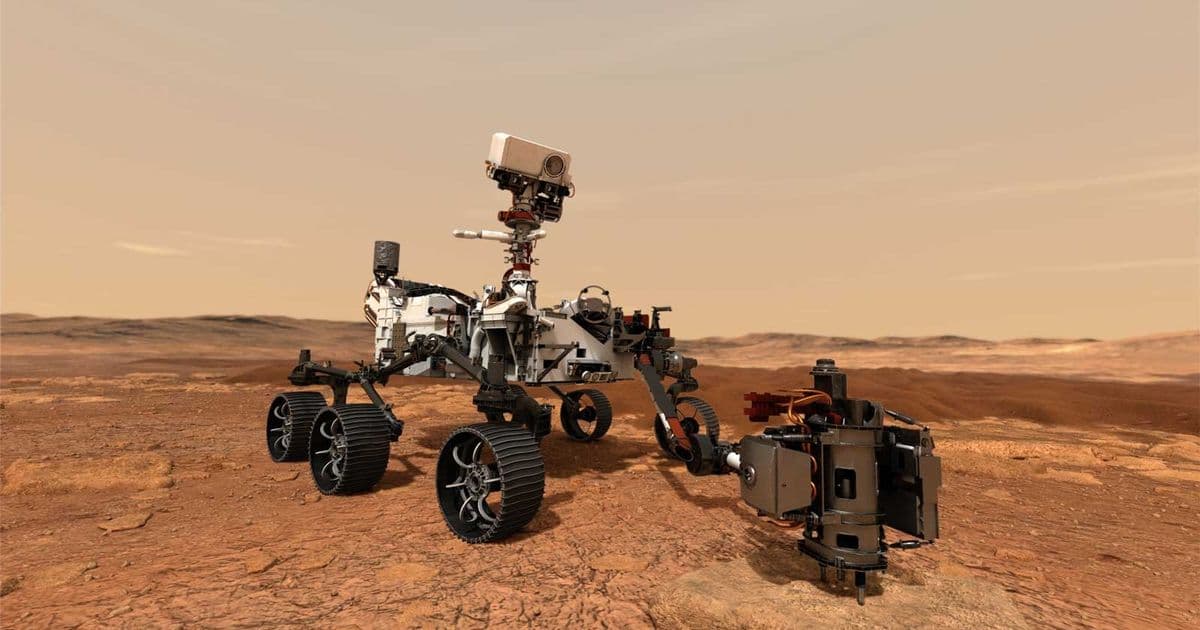
NASA engineers have adapted the Snapdragon processor from the retired Ingenuity helicopter to enable the Perseverance rover to autonomously navigate Mars without Earth-based guidance.
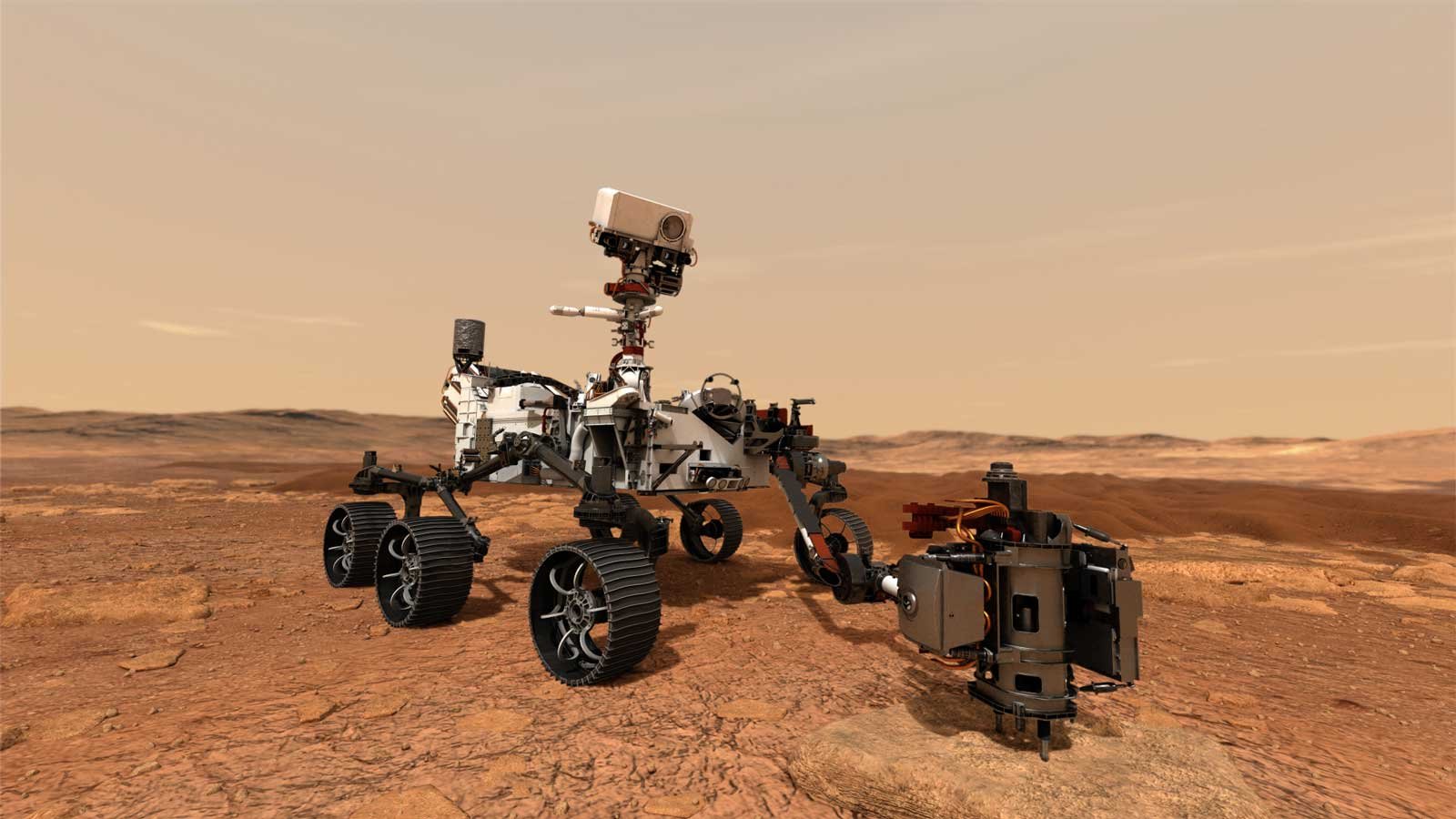
NASA has successfully repurposed the processor originally used for Mars Helicopter communications to dramatically upgrade the Perseverance rover's autonomous navigation capabilities. This technical modification allows the rover to travel "potentially unlimited distances" without requiring instructions from Earth-based mission control.
The upgrade centers on the Helicopter Base Station (HBS), which previously managed communications with the Ingenuity helicopter. With Ingenuity permanently grounded after completing 72 flights, engineers identified an opportunity to reuse its Qualcomm Snapdragon 801 processor. This commercial system-on-chip (SoC) features four custom Krait CPU cores, an Adreno 330 GPU, and a Hexagon digital signal processor, operating at 2.26GHz with 2GB RAM and 32GB flash storage running Linux. Crucially, the Snapdragon processor operates approximately 100 times faster than Perseverance's primary flight computers.
Jet Propulsion Laboratory engineers developed new navigation software called "Mars Global Localization" specifically for this hardware. The algorithm compares panoramic images from the rover's navigation cameras with pre-loaded orbital terrain maps of Mars. This comparison process requires approximately two minutes to pinpoint the rover's location within 10 inches (25 centimeters) accuracy.
This represents a substantial improvement over previous autonomous navigation systems, which could accumulate positioning errors of up to 35 meters during extended drives. Such inaccuracies often triggered safety protocols that halted the rover until receiving confirmation from Earth—a process complicated by communication delays of up to 40 minutes and bandwidth limitations of 2 Mbps.
Implementation required overcoming significant technical challenges. During testing, engineers discovered approximately 25 damaged memory bits within the processor's 1GB memory subsystem, resulting in consistent 1mm positioning errors. The solution involved developing specialized memory isolation protocols to quarantine these faulty sectors during navigation operations. Additionally, the team built redundancy checks where the rover's primary computers verify results from the Snapdragon processor before accepting navigation data.
Chief engineer Vandi Verma explained the significance: "This functions similarly to giving the rover GPS capability. By autonomously determining its precise location, Perseverance can undertake significantly longer drives without Earth intervention, substantially increasing scientific exploration potential."
The successful deployment—validated during operational drives on February 2 and 16, 2026—demonstrates the viability of commercial processors for critical space applications. NASA confirms the technology has implications beyond Mars, with lunar missions being evaluated as the next implementation target. The moon's extreme lighting conditions and extended darkness periods make precise localization particularly valuable for future Artemis program operations.
Comments
Please log in or register to join the discussion