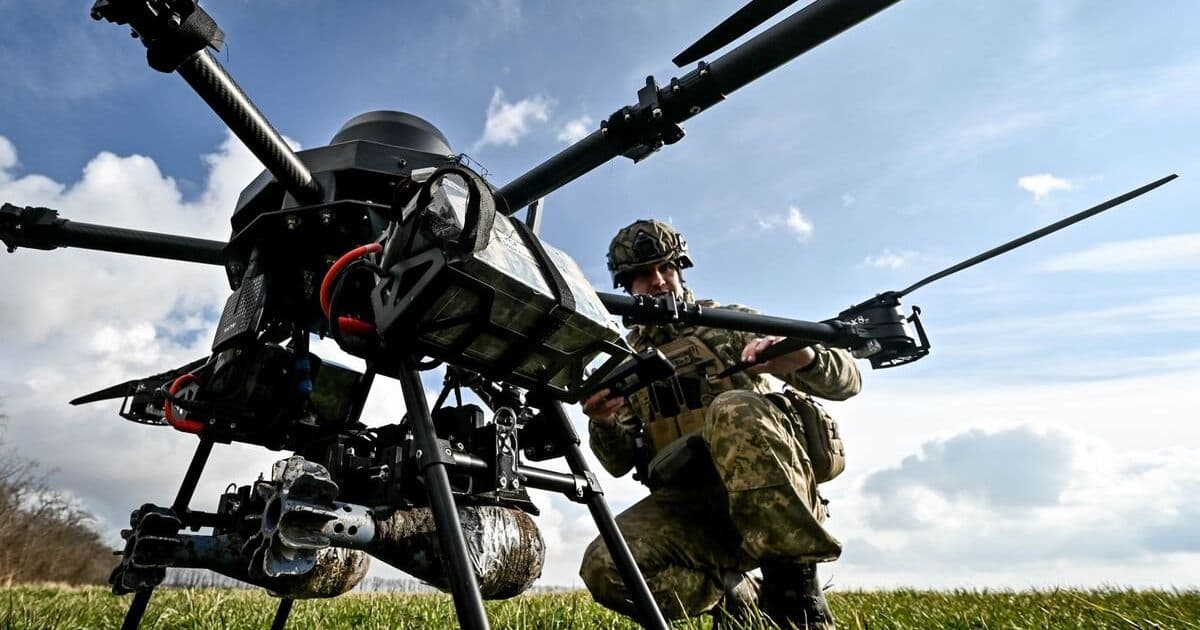
NATO plans to prioritize AI and drone investments over conventional defense hardware at its July summit, marking a strategic pivot toward autonomous systems and intelligent warfare capabilities.
NATO is preparing for a fundamental shift in defense strategy, with officials confirming that the alliance's July summit will prioritize investments in artificial intelligence and drone technologies over traditional military hardware. This strategic pivot represents a recognition that future conflicts will be increasingly defined by autonomous systems and intelligent warfare capabilities rather than conventional troop deployments and tanks.
The move comes as global military powers race to integrate AI into their defense architectures, with the United States already deploying AI tools for target identification and battlefield management. NATO's focus on drones and AI systems signals a broader transformation in how the alliance approaches collective defense, emphasizing technological superiority and automated decision-making over traditional military might.
This strategic realignment reflects several converging factors: the rapid advancement of AI capabilities, the proven effectiveness of drone warfare in recent conflicts, and the need for NATO to maintain technological parity with rivals who have made significant investments in autonomous weapons systems. The shift also acknowledges the changing nature of modern warfare, where data processing, rapid decision-making, and precision strikes have become as critical as conventional military strength.
The emphasis on AI and drones represents a departure from NATO's traditional focus on conventional defense hardware like tanks, aircraft, and naval vessels. Instead, the alliance appears to be betting on intelligent systems that can process vast amounts of battlefield data, identify targets with greater precision, and operate with reduced human intervention. This approach could potentially reduce casualties while increasing operational effectiveness, though it also raises complex ethical and strategic questions about the role of autonomous weapons in modern warfare.
NATO's pivot comes amid growing concerns about technological competition with adversaries who have demonstrated sophisticated capabilities in AI and drone warfare. The alliance's investment strategy appears designed to close potential gaps in technological capability while positioning member states to leverage the advantages of intelligent systems in future conflicts.
Industry analysts suggest this shift could have significant implications for defense contractors and technology companies, potentially redirecting billions in defense spending toward AI development, drone manufacturing, and related technologies. Companies specializing in machine learning, computer vision, and autonomous systems may find new opportunities as NATO seeks to build out its technological capabilities.
The timing of this strategic shift is particularly noteworthy given recent developments in AI technology and its military applications. As AI systems become more sophisticated and capable of handling complex decision-making tasks, military planners are increasingly viewing them as force multipliers that can enhance operational effectiveness while reducing human risk.
However, the move toward AI-driven defense also raises important questions about accountability, ethical use of autonomous weapons, and the potential for escalation in conflicts where machines make critical decisions. NATO will need to address these concerns as it develops its AI and drone capabilities, ensuring that technological advancement aligns with the alliance's values and strategic objectives.
The July summit will likely provide more details on NATO's specific investment plans and how the alliance intends to integrate AI and drone technologies into its existing defense framework. This could include new procurement strategies, research and development initiatives, and partnerships with technology companies to accelerate capability development.
As NATO prepares for this strategic pivot, the defense industry is already positioning itself to meet the alliance's evolving needs. Companies that can deliver advanced AI systems, autonomous drones, and integrated battlefield management solutions are likely to see increased demand as NATO transitions toward a more technology-driven defense posture.
This shift represents more than just a change in procurement priorities; it signals a fundamental reimagining of how modern military alliances approach collective defense in an era of rapid technological change. NATO's focus on AI and drones suggests that the future of warfare will be increasingly defined by technological sophistication rather than traditional military might, marking a new chapter in the evolution of global security dynamics.
Comments
Please log in or register to join the discussion