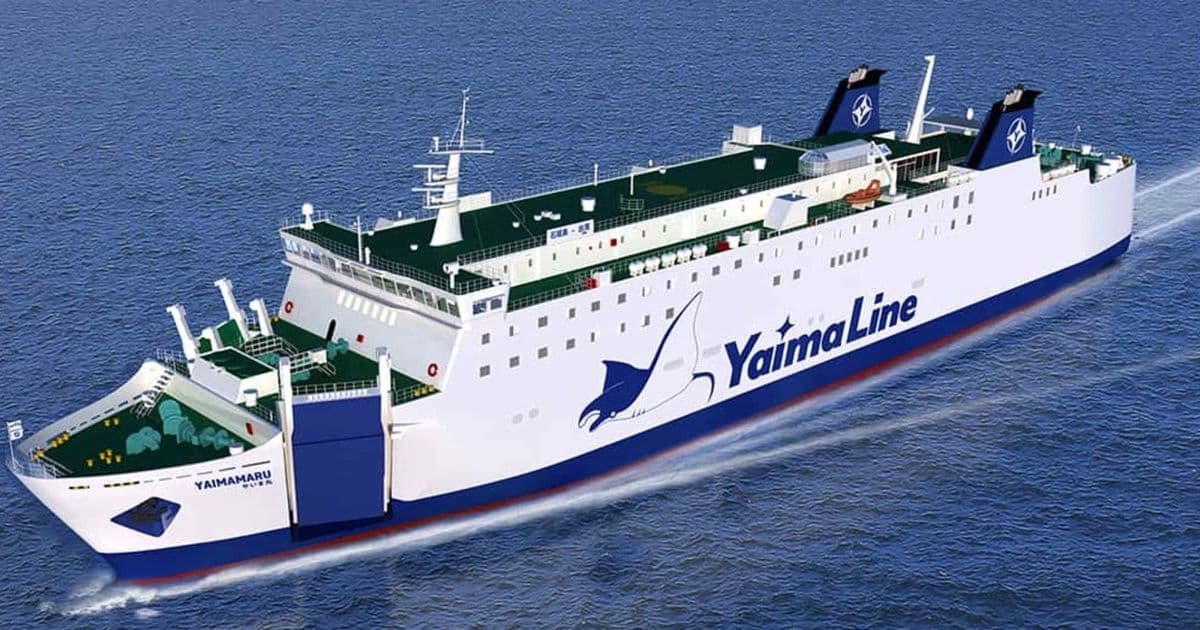
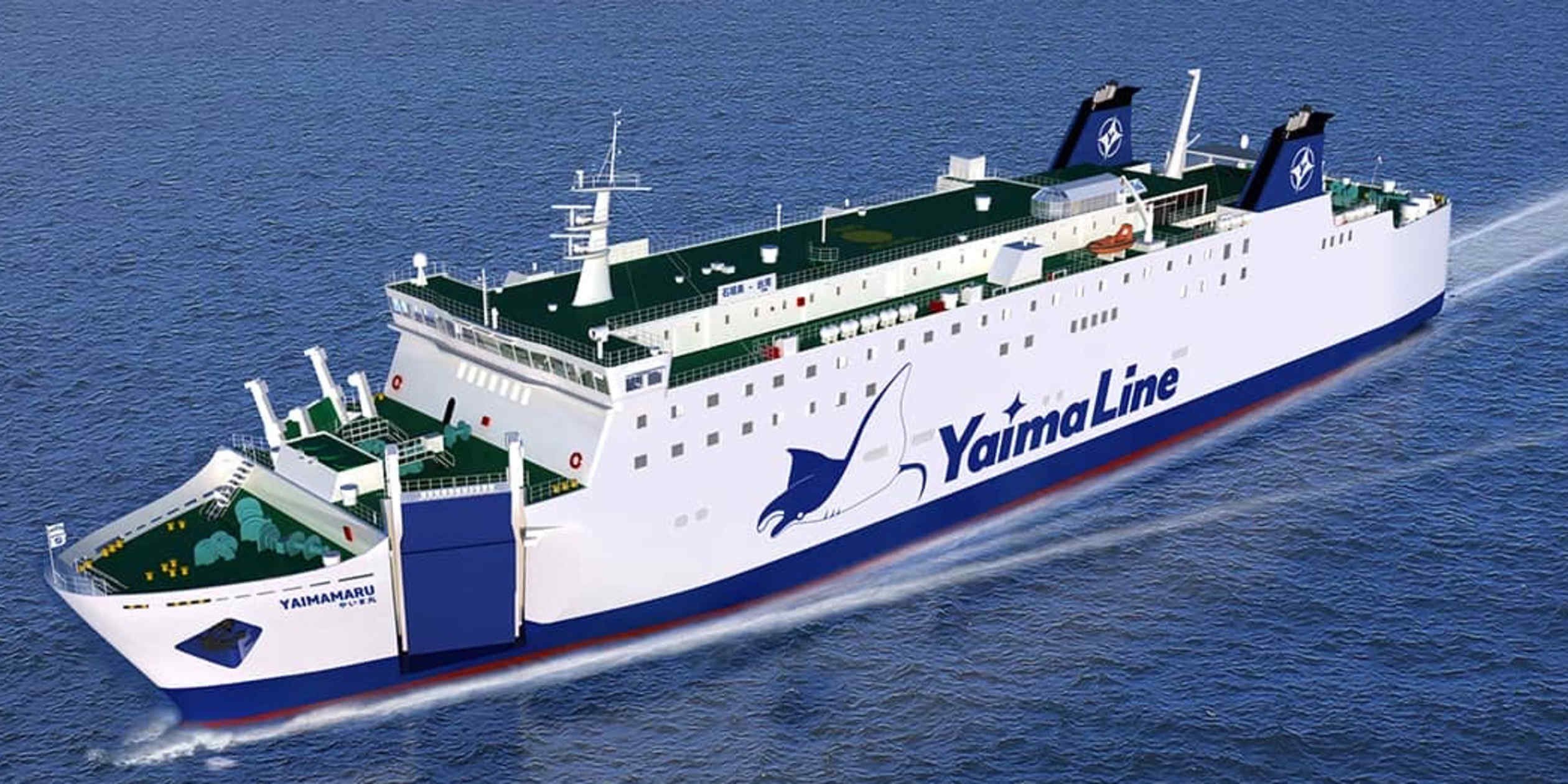
The Yaima Line’s Yaima Maru will begin operations between Keelung and Ishigaki on May 30, 2026, offering four weekly sailings, 20‑hour transit times and a projected $120 million annual revenue boost for both sides of the Taiwan Strait.
Business news
The Yaima Line announced that its newly built vessel Yaima Maru will launch its inaugural sailing on Thursday, 30 May 2026, linking Keelung, Taiwan with Ishigaki Island in Japan’s Okinawa prefecture. The service will run four times a week, with each crossing taking roughly 20 hours. Yaima Line expects the route to generate ¥13 billion (≈ US$120 million) in revenue during its first fiscal year, based on an anticipated average occupancy of 78 % and ticket prices ranging from ¥9,800 to ¥18,500 per passenger.
Market context
Tourism between Taiwan and Japan has been on an upward trajectory since 2022, when the two governments relaxed visa requirements for short‑stay visitors. In 2025, Taiwan recorded 4.2 million inbound Japanese tourists, while Japan welcomed 3.8 million Taiwanese travelers, a combined growth of 12 % year‑on‑year. The Keelung‑Ishigaki corridor sits at the nexus of two high‑value tourism segments: eco‑adventure travel to the Yaeyama islands and cultural tourism to northern Taiwan’s historic ports.
The route also dovetails with broader strategic trends. Both Taipei and Tokyo have been seeking to diversify transport links amid rising geopolitical tension in the East China Sea. The new ferry provides a non‑air alternative that can be marketed to travelers wary of flight disruptions caused by airspace disputes. Moreover, the service aligns with the Japan‑Taiwan Economic Partnership Agreement (JTEPA) 2024, which lowered customs duties on perishable goods and encouraged joint tourism promotions.
What it means
Revenue and employment
Yaima Line’s projected ¥13 billion first‑year revenue translates to an estimated ¥2.6 billion operating profit, assuming a 20 % margin typical for regional ferry operators. The company plans to hire approximately 150 crew members and 80 shore‑based staff across both ports, creating a modest but meaningful boost to local employment.
Spillover for ancillary sectors
The ferry’s cargo capacity—1,200 tonnes per voyage—opens a new logistics channel for high‑value, time‑sensitive goods such as fresh seafood, specialty teas, and premium electronics. Early talks between the Keelung Fishery Association and Okinawa’s agricultural cooperatives suggest a potential ¥3 billion increase in bilateral trade volume within the first two years.
Competitive dynamics
The service enters a market previously dominated by air routes (Taoyuan‑Naha and Taipei‑Okinawa) that command average fares of ¥22,000. By offering a 30‑40 % price discount and a unique onboard experience—including cultural exhibitions and local cuisine—Yaima Line aims to capture price‑sensitive travelers and those seeking a slower, experiential journey.
Geopolitical implications
While the ferry is a commercial venture, its timing is notable. The route provides a civilian conduit that could ease people‑to‑people contact amid heightened military posturing between China, Taiwan and Japan. Analysts at the Institute of East Asian Studies argue that increased civilian traffic can serve as a soft‑power buffer, reducing the likelihood of accidental escalation in contested waters.
Outlook
If Yaima Line meets its occupancy targets, the Keelung‑Ishigaki line could become a template for additional cross‑strait maritime links, such as a prospective Kaohsiung‑Miyako service slated for 2028. For investors, the project illustrates how infrastructure that blends tourism, trade and geopolitical resilience can generate solid returns while supporting regional stability.
Data sources: Yaima Line press release (May 2026), Taiwan Tourism Bureau visitor statistics 2023‑2025, Japan Ministry of Land, Infrastructure, Transport and Tourism cargo reports, JTEPA agreement text (2024).
Comments
Please log in or register to join the discussion