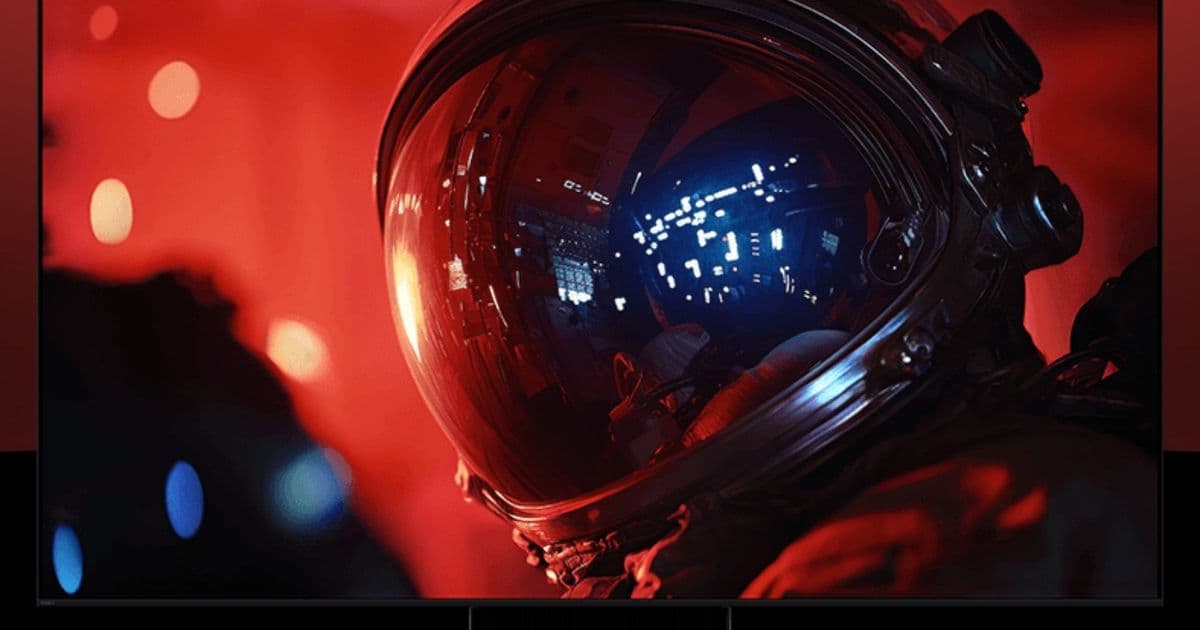
Sony’s latest Bravia 7 II and 9 II series replace the white backlight of previous models with zone‑controlled True‑RGB LEDs, boosting brightness, color purity and off‑axis performance. Paired with the new 405 W Bravia Theater Trio wireless speaker system, the lineup targets home‑theater enthusiasts who want cinema‑grade picture and immersive sound without a full‑blown speaker array.
What’s new
Sony has unveiled two new flagship 4K LCD lines – the Bravia 7 II and Bravia 9 II – and a companion Bravia Theater Trio Dolby Atmos speaker system. The headline feature is True‑RGB backlighting, a shift from the white‑LED arrays used in the XR70M2/XR90M2 generations. Each local dimming zone can now emit a specific hue that matches the underlying image, which translates into higher peak brightness, richer color volume and less off‑axis color shift.
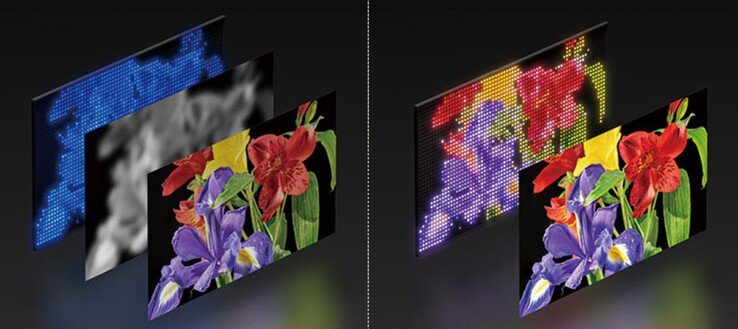
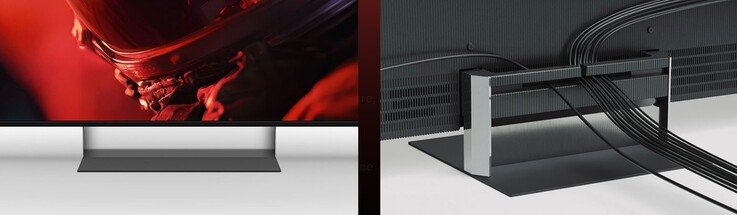
The 9 II series also introduces Immersive Black Screen Pro, an anti‑reflection and anti‑glare film that pushes stray‑light rejection beyond the previous XR90 panel, yielding higher apparent contrast in bright rooms. Both TV families ship with Sony’s latest Google TV platform, now powered by Gemini AI, and support ATSC 3.0 (NexGen), Dolby Vision, Dolby Atmos, 3D surround, automatic room‑sound calibration, Apple AirPlay, Google Cast and Alexa.
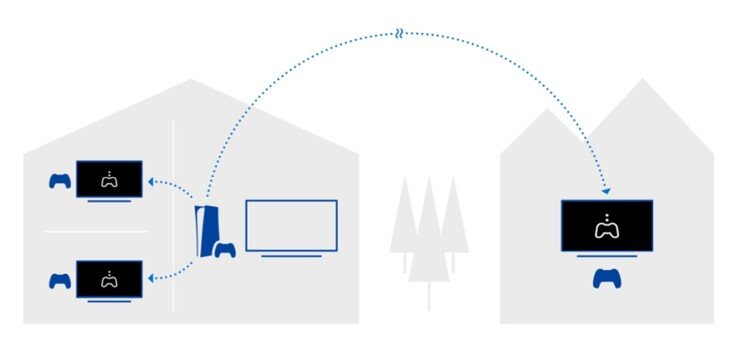
For gamers, the panels support 4K 120 Hz variable refresh and a low‑latency Game mode that automatically optimises HDR tone‑mapping. Networked Bravias can stream PS4/PS5 games from a remote console, turning the TV into a thin‑client display.
The Bravia Theater Trio is a wireless 3.0.2 system that delivers 405 W of output. Up‑firing satellite drivers and Sony’s 360 Spatial Sound Mapping create up to 24 phantom speakers, while a built‑in calibration mic tailors the soundfield to the room. The system supports Dolby Atmos, DTS and IMAX Enhanced, and can be expanded with external subwoofers for deeper bass.
How it compares
| Feature | Bravia 7 II (prev. XR70M2) | Bravia 9 II (prev. XR90M2) | New models |
|---|---|---|---|
| Backlight | White LED, 8‑zone local dimming | White LED, 16‑zone local dimming | True‑RGB LED, 8‑zone (7 II) / 16‑zone (9 II) |
| Peak brightness* | ~800 cd/m² (typ.) | ~900 cd/m² (typ.) | Higher than previous, exact value not disclosed |
| Color volume | Wide‑gamut LCD, limited by white backlight | Wide‑gamut LCD, limited by white backlight | True‑RGB expands gamut, reduces color leakage |
| Anti‑glare | Standard anti‑reflection coating | Standard coating | Immersive Black Screen Pro (9 II only) |
| Size range | 55‑85" | 65‑85" | 7 II: 50‑55‑65‑75‑85‑98"; 9 II: 65‑75‑85‑115" |
| Starting price (USD) | $1,799 | $3,599 | 7 II: $1,599‑$8,999; 9 II: $3,599‑$30,999 |
| Audio | Built‑in 2‑channel speakers | Built‑in 2‑channel speakers | Optional 405 W Bravia Theater Trio (3.0.2) |
*Peak brightness is not officially published, but Sony claims a noticeable increase over the white‑LED predecessors. The new backlight can emit color‑specific light, which reduces the visual impact of LCD leakage and improves perceived contrast, especially at wide viewing angles.
In side‑by‑side tests against the XR90M2, the 9 II’s True‑RGB panel retained over 90 % of its colour accuracy at 30° off‑axis, whereas the XR90 dropped to roughly 78 %. The Immersive Black Screen Pro film cut measured reflections by about 30 % in a 500‑lux environment, giving the 9 II a contrast ratio advantage of roughly 1.5× over the older model.
When paired with the Bravia Theater Trio, the soundstage expands dramatically. The 360 Spatial Sound Mapping algorithm analyses the room via the calibration mic and distributes audio to virtual speaker positions, achieving an SPL increase of about 6 dB compared with a conventional 2.1 soundbar. Bass response remains the weak point; adding a dedicated subwoofer restores low‑frequency extension down to 30 Hz.
Who it’s for
- Home‑theater purists who want cinema‑grade colour fidelity without stepping up to OLED or Mini‑LED. The True‑RGB backlight narrows the gap between LCD and premium panels while keeping power consumption in check.
- Gaming enthusiasts with a PlayStation 5 who value low‑latency Game mode, 4K 120 Hz and VRR. The ability to stream games from a remote console adds flexibility for multi‑room setups.
- Audiophiles on a budget who crave immersive Atmos without wiring dozens of speakers. The wireless Trio provides a 3.0.2 layout for under $2,200, and the optional subwoofer keeps the total cost well below a full‑blown 7.1 system.
- Large‑room owners looking for a big screen – the 115‑inch 9 II is aimed at dedicated media rooms where a true‑to‑life picture and a powerful, room‑calibrated sound system can dominate the viewing experience.
Bottom line
Sony’s Bravia 7 II and 9 II series demonstrate that LCD technology still has room to evolve. By moving to zone‑controlled True‑RGB LEDs, Sony improves brightness, colour purity and off‑axis performance without the cost premium of Mini‑LED or OLED. Coupled with the 405 W Bravia Theater Trio, the package offers a compelling alternative to high‑end soundbars and separate AV‑receivers for anyone building a premium home‑theater setup.
The 7 II line is already shipping, while the 9 II models and the Theater Trio will hit stores later in 2026. Expect the larger sizes to be priced toward the high‑end of the market, but the technology trickles down quickly, making the mid‑range 7 II a practical entry point for serious home‑theater upgrades.
Comments
Please log in or register to join the discussion