A grassroots open-source project led by Nuxt's Daniel Roe launches npmx as a faster, more informative package browser to fix long-standing issues with npmjs.com's interface.
A new open-source browser for the npm registry has launched in alpha, promising to fix long-standing frustrations with the official npmjs.com interface. The project, called npmx, was initiated by Daniel Roe, who leads the Nuxt project team at Vercel, and has already attracted significant community support.
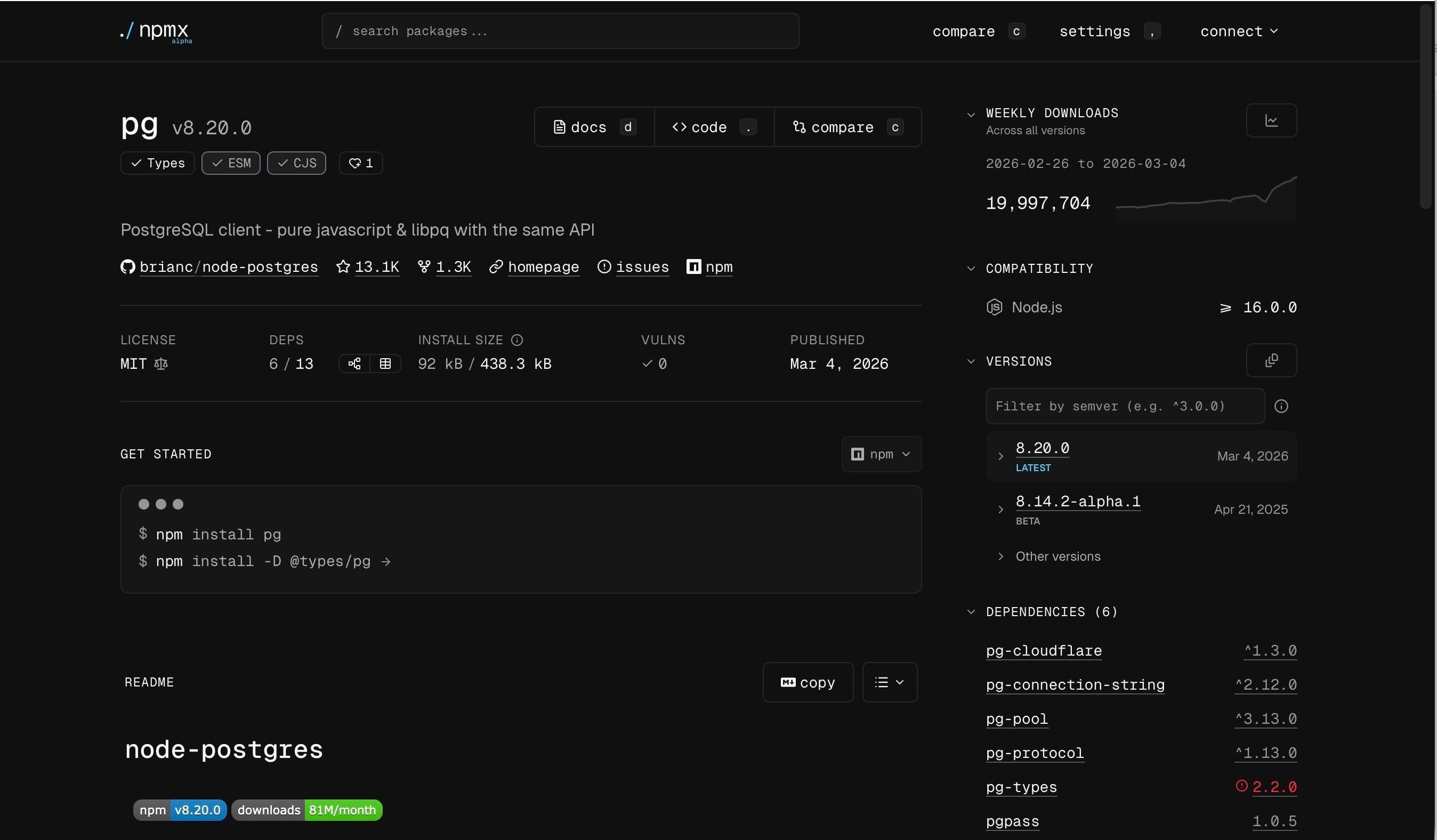
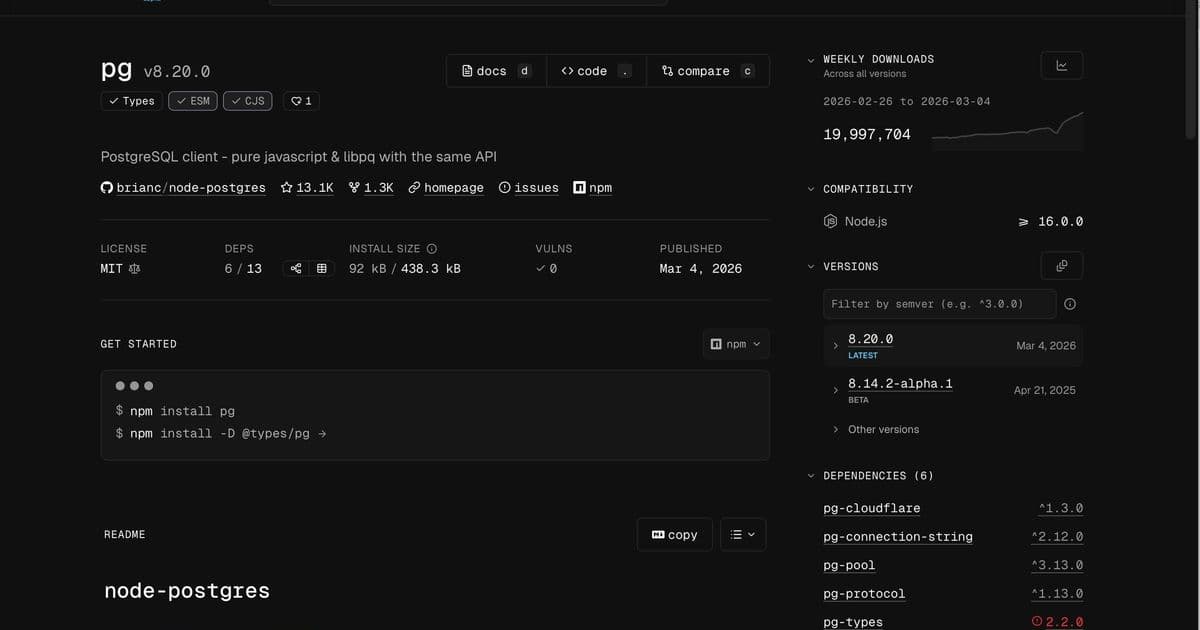
The npmx package browser is more informative and usable than the official npmjs - Click to enlarge
The timing appears to be driven by years of accumulated user complaints about npmjs's interface. In a Bluesky thread about frustrations with the platform, users described experiences ranging from confusing publishing processes to basic usability issues. One developer commented that publishing their first package made them "feel more scared and stupid" than any other tech experience.
While npmx doesn't address the publishing process—since it's only an alternative browser for the existing npmjs registry—it tackles numerous interface complaints that have plagued developers for years. These include:
- The code tab (marked beta) that doesn't support browser history, breaking the back button
- No dark mode option
- Stars awarded by users not displayed anywhere
- Poor display of dependencies
- Lack of information on TypeScript and ESM (EcmaScript module) support
- GitHub source links that don't support browsing directories within repositories
The project's introductory post, co-authored by Roe, software engineer Salma Alam-Naylor, and Vite core team member Matias Capeletto, emphasizes that "npmx is about speed and simplicity." The browser provides useful data like install size, module format, and outdated dependencies. The team is also building social features into npmx, recognizing that "open source is better when it's easier to connect with the people behind the packages."
According to the project's announcement, npmx attracted 1,000 issues and contributions within just two weeks of its publication on GitHub, demonstrating significant pent-up demand for an improved interface.

The npm (node package manager) registry is the largest in the world thanks to the popularity of JavaScript and TypeScript development. Originally operated by a separate company, npm was acquired by Microsoft-owned GitHub in March 2020. Since the acquisition, GitHub has focused its efforts on countering malware in the registry and introduced mandatory security requirements, though these changes have added friction and complexity for package publishers.
The npmx alpha launch has attracted notable backing. Hosting company Netlify is supporting the project, with CEO Mathias Biilmann stating it should "massively improve the discovery and management of JavaScript and TypeScript packages." Another sponsor is Bluesky, which developed the AT Protocol (Atproto), a protocol for open social networking using JSON records. The npmx project is using Atproto, prompting a $6,000 grant from the Atproto team and hopes that the project will boost adoption of the protocol.
The most striking aspect of npmx's emergence is what it reveals about npmjs's current state. The fact that a quick open-source startup could so easily improve on the official GitHub-owned interface raises serious questions about why the platform has been allowed to slip so far behind user expectations. For a registry that serves millions of developers worldwide, the contrast between npmjs's stagnation and npmx's rapid development highlights a significant gap in the JavaScript ecosystem's core infrastructure.
As npmx moves through its alpha phase, the JavaScript community will be watching closely to see whether this grassroots alternative can force meaningful improvements in how developers discover and evaluate packages in the world's largest package registry.
Comments
Please log in or register to join the discussion