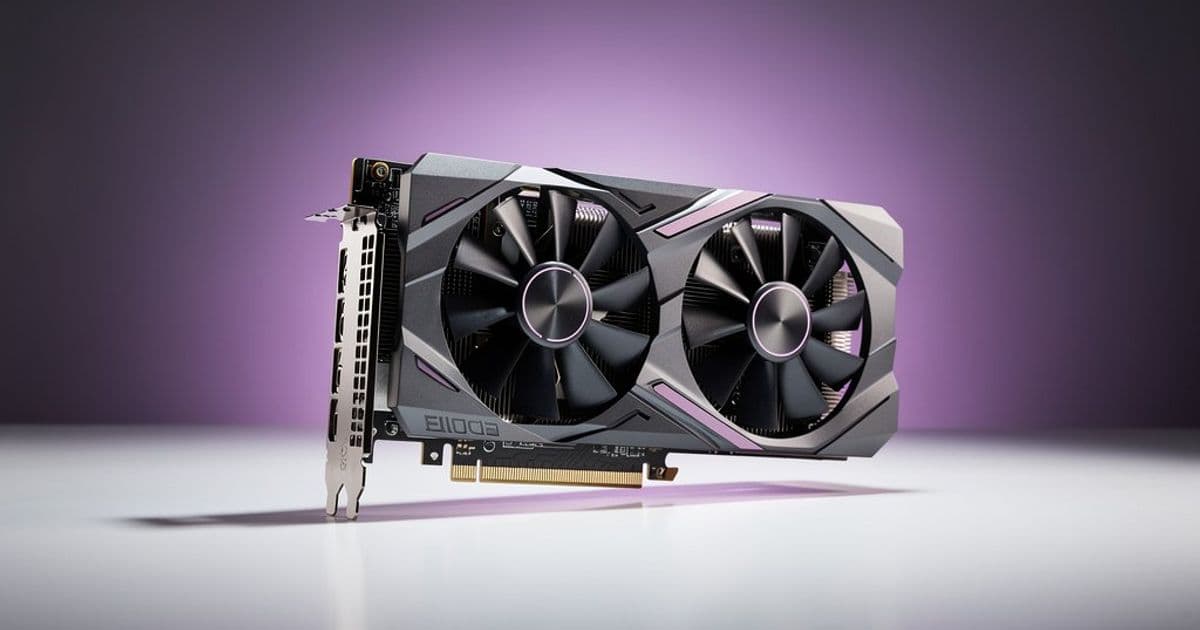
Nvidia has reportedly discontinued its program encouraging partners to sell GPUs at Manufacturer's Suggested Retail Price, potentially leading to higher graphics card prices as partners gain pricing autonomy.
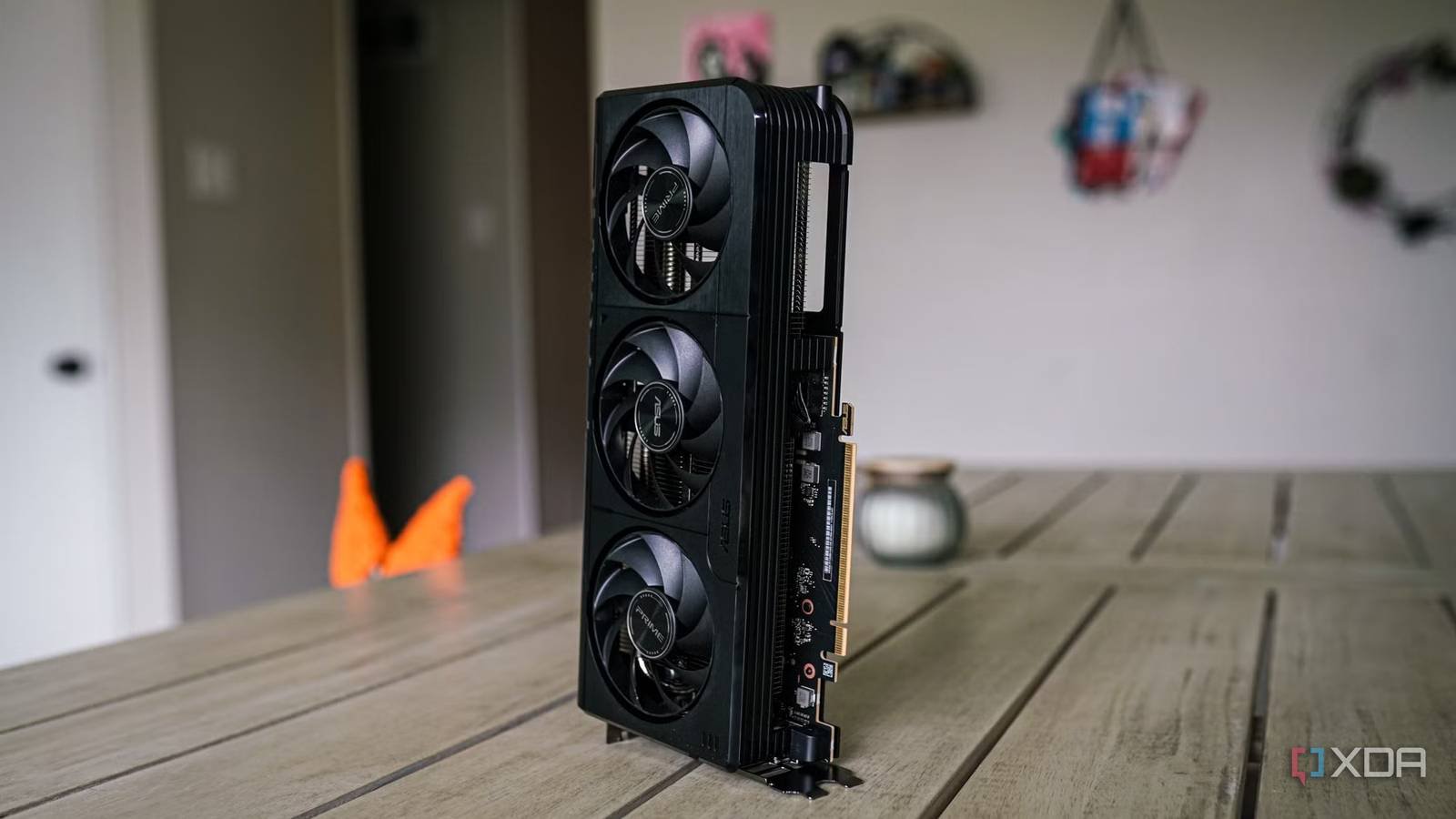
Recent industry reports confirm Nvidia has terminated its Manufacturer's Suggested Retail Price (MSRP) program, ending a years-long initiative that encouraged board partners to sell GPUs at standardized pricing. This strategic shift removes pricing guidance for partners like ASUS, Gigabyte, and MSI, granting them full autonomy to set retail prices based on market conditions and production costs.
The MSRP program was originally implemented during the GPU shortage crisis of 2020-2022 to combat extreme price inflation. At its peak, graphics cards were selling for 200-300% above suggested prices due to cryptocurrency mining demand and supply chain disruptions. Nvidia's program established pricing corridors that partners were expected to follow, providing consumers with baseline price expectations across different GPU tiers.
With the program's discontinuation, several market impacts are anticipated:
- Increased Price Volatility: Partners may implement wider price variations between models and regions
- Premier Model Inflation: High-demand cards like RTX 4080 Super and upcoming Blackwell architecture GPUs could see immediate price increases
- Channel Conflict: Retailers may face pressure to justify price differences between partner models
- Market Segmentation: More pronounced pricing tiers could emerge between entry-level and enthusiast-grade cards
Current pricing data from retailers shows early signs of this shift. The RTX 4070 Super, which launched at $599 MSRP, now averages $649-$699 across major retailers. Industry analysts predict this gap could widen to 15-25% above previous MSRP benchmarks for next-generation models.
Board partners face new challenges in this environment. Companies like Palit and Zotac now bear full responsibility for balancing competitive pricing against production costs, warranty services, and retailer margins. This comes amid rising manufacturing expenses for advanced cooling solutions and power delivery systems required for high-TDP GPUs.
For consumers, the landscape changes significantly:
- Price comparison becomes more critical across retailers and partner brands
- Sales cycles may become less predictable
- Entry-level options could see disproportionate increases
- Used market prices may strengthen as new card prices rise
Nvidia's decision coincides with several market developments: AMD's recent restructuring of its Radeon division, Intel's continued expansion in the discrete GPU market, and the impending transition to next-generation architectures across all manufacturers. This creates a complex pricing environment where manufacturers balance innovation costs against market share objectives.
While partners gain pricing freedom, they risk consumer backlash if perceived as price gouging. The termination of MSRP guidance represents a fundamental shift toward market-driven pricing after years of artificial stabilization. Consumers should monitor pricing trends closely and consider timing purchases around product launches and seasonal sales events.
Comments
Please log in or register to join the discussion