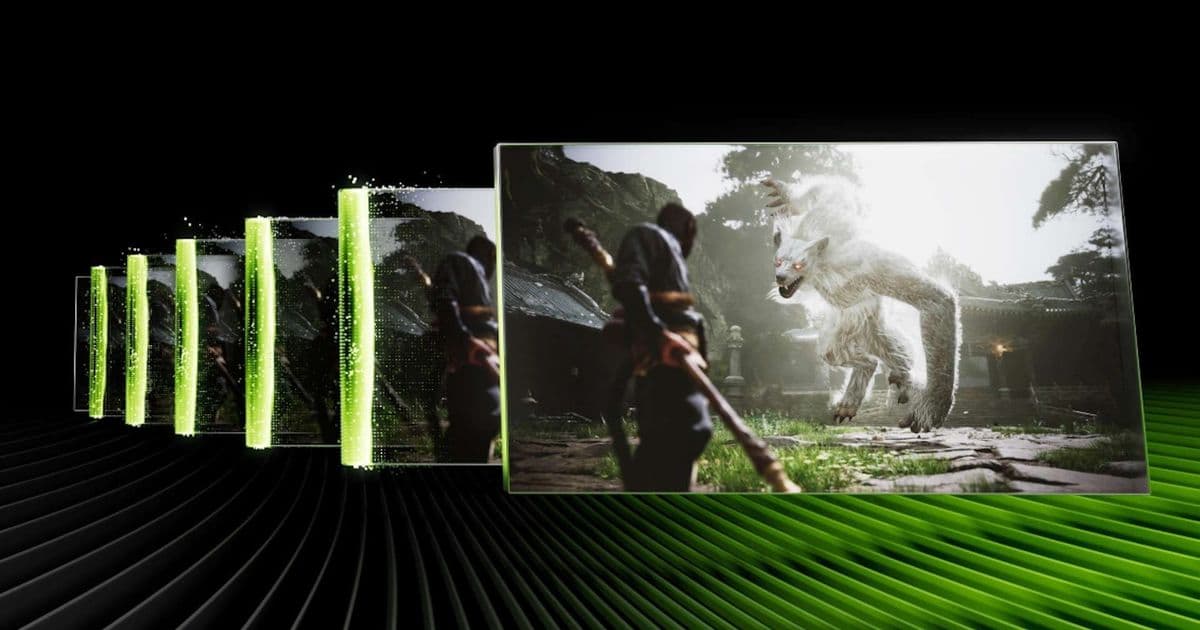
Nvidia introduces Dynamic Multi Frame Generation with 5X and 6X multipliers as part of DLSS 4.5, allowing RTX 50-series GPUs to automatically adjust frame generation based on monitor refresh rates for smoother gaming experiences with minimal latency impact.
In 2026, the graphics industry continues to see software innovations as cutting-edge silicon gets consumed by AI demand. Nvidia has now released Dynamic Multi Frame Generation (MFG) with 5X and 6X multipliers, building upon the DLSS 4.5 upscaling model introduced earlier this year. This new technology, available through a beta update for the Nvidia App, exclusively supports RTX 50-series graphics cards and represents a significant evolution in frame generation technology.
Technical Evolution of MFG
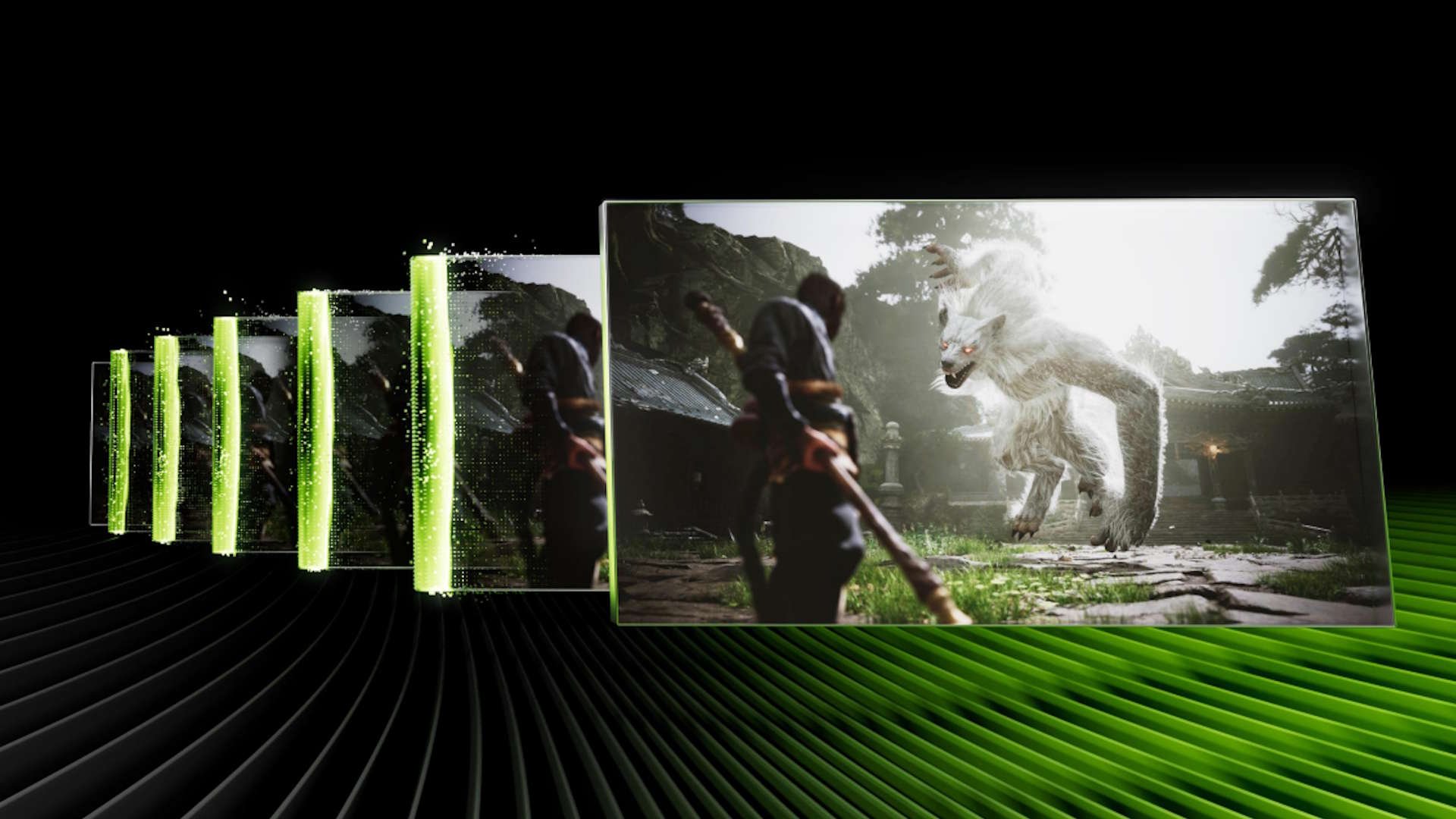
Previous MFG implementations offered fixed multipliers of 3X or 4X in addition to the baseline 2X framegen introduced with RTX 40-series cards. These static options created challenges as they couldn't adapt to varying gaming workloads, often resulting in output frame rates above or below a monitor's refresh rate. Dynamic MFG addresses this limitation by allowing the system to automatically shift multipliers on the fly to maintain a target frame rate.
The implementation requires the latest Nvidia App and 595.97 driver release. Users can enable a global Frame Generation Mode override in the graphics settings, specifying a target frame rate (typically their monitor's maximum refresh rate) and optionally setting a maximum multiplier cap. The system then intelligently manages between the new 5X and 6X modes along with existing options to maintain consistent performance.
Performance and Quality Analysis
Testing revealed that Dynamic MFG transitions between multipliers occur without noticeable hitches or stutters. The system's ability to seamlessly adjust frame generation creates a more consistent gaming experience, particularly when paired with variable-refresh-rate displays.
Image quality remains largely intact with the new 5X and 6X modes. While minor artifacting appears in certain games—such as ghosting on character edges in Clair Obscur: Expedition 33 or slight raggedness at screen edges in Hogwarts Legacy and Cyberpunk 2077—these issues are subtle and often outside typical focus points during gameplay.
Latency measurements show minimal impact from the additional generated frames:
| MFG multiplier | Input latency (ms) |
|---|---|
| Off | 35.0 |
| 2X | 46.6 |
| 4X | 53.2 |
| 6X | 52.6 |
Performance scaling, however, didn't track as cleanly as expected. In testing with Cyberpunk 2077 on an RTX 5080 at 4K with DLSS Performance and path tracing:
| MFG multiplier | Average FPS |
|---|---|
| Off | 60.0 |
| 2X | 103.1 |
| 4X | 178.8 |
| 6X | 247.7 |
The 6X multiplier should theoretically provide even greater performance gains than observed, indicating potential optimization opportunities or computational limitations in the current implementation.
Market Implications and Practical Applications
Dynamic MFG represents a significant step toward making frame generation a truly set-and-forget technology. By enabling the global override and setting a target frame rate matching their monitor's refresh rate, users can eliminate the need for constant manual adjustments to maintain optimal performance.
The combination of DLSS 4.5's improved upscaling models with the expanded MFG multipliers enables high-refresh-rate experiences even on lower-tier graphics cards. As an example, MFG 6X with DLSS 4.5 Ultra Performance makes Cyberpunk 2077 playable at 240 FPS on an RTX 5070 with ultra settings and path tracing enabled.
For consumers, the technology highlights an important consideration: display technology upgrades. With advancements in neural rendering like MFG, high-refresh-rate 1440p or 4K monitors no longer require top-tier graphics cards to achieve fluid experiences. Those running 1080p or 60Hz monitors with capable RTX 50-series cards may not be fully realizing their hardware potential.
As the industry continues to balance traditional rendering with AI-accelerated techniques, Nvidia's Dynamic MFG demonstrates how software innovations can extend the value of existing hardware while pushing the boundaries of what's possible in real-time graphics. The technology effectively separates frame rate from raw computational power, allowing systems to dynamically allocate resources based on display capabilities rather than fixed limitations.

For gamers with RTX 50-series GPUs and high-refresh-rate monitors, Dynamic MFG with its 5X and 6X multipliers represents a worthwhile enhancement to the gaming experience. While not a universal performance solution that enables previously impossible settings, it offers a refined approach to maintaining consistent frame rates with minimal compromises to image quality or responsiveness.
Comments
Please log in or register to join the discussion