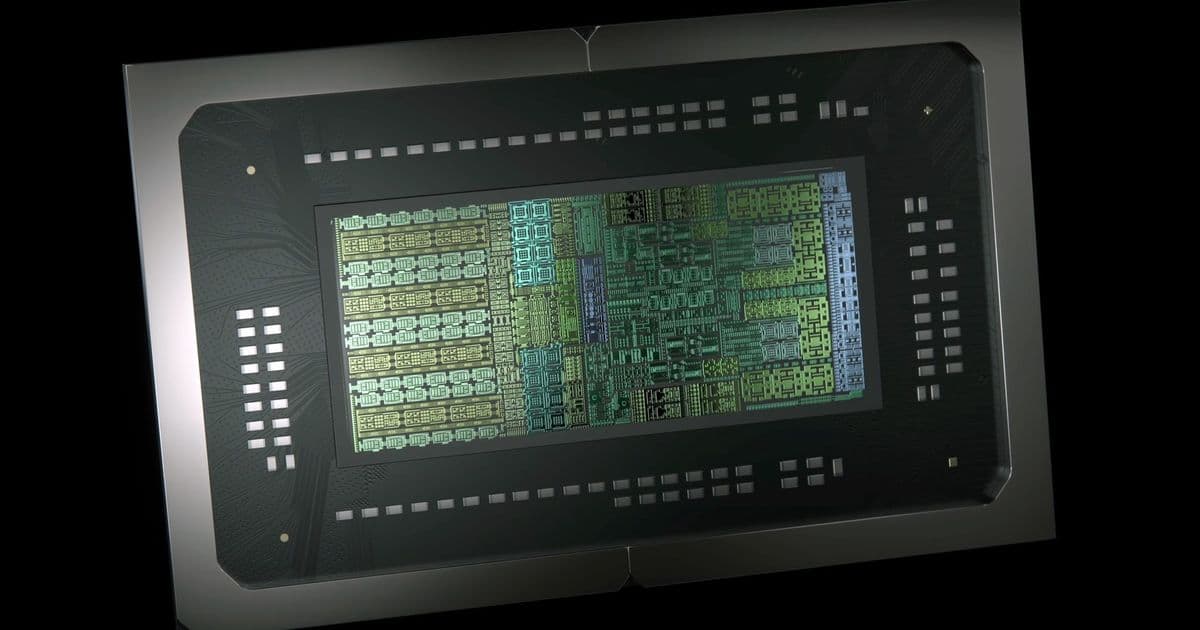
Nvidia's long-awaited N1/N1X Arm-based chips, developed with MediaTek, are reportedly set for H1 2026 release on Dell and Lenovo laptops, marking the company's return to consumer SoCs after a decade.
Nvidia's N1/N1X Arm-based system-on-chips, developed in partnership with MediaTek, are reportedly set for a first-half 2026 launch on Dell and Lenovo laptops, according to a new report from The Wall Street Journal. This timeline aligns with previous rumors and marks Nvidia's return to the consumer SoC market after a decade-long absence.
ARM-Based Architecture Targets MacBook Competition
The N1 and N1X chips represent Nvidia's strategic push into the thin-and-light laptop segment, directly challenging Apple's M-series dominance. These Arm-based SoCs feature up to 20 CPU cores split across two 10-core clusters, paired with integrated graphics reportedly comparable to an RTX 5070. The chips are designed for consumers seeking MacBook-like performance in Windows-based devices.
Supply Chain Developments Point to 2026 Reality
Industry sources indicate that major PC manufacturers are already working with Nvidia on N1-powered models. Dell and Lenovo appear positioned as launch partners, with the first devices expected to ship in the first half of 2026. This timeline has been consistent across multiple reports, including earlier claims from DigiTimes about N1X-based laptops releasing this quarter.
GB10 Superchip Reveals N1 Foundation
Interestingly, Nvidia's GB10 Superchip, which powers the DGX Spark mini-PC, is based on N1 silicon. This means the core architecture is already proven in the market, though without the gaming-focused optimizations expected in the consumer N1/N1X variants. The GB10's existence validates Nvidia's Arm-based SoC development efforts.
Gaming Focus Despite ARM Architecture
While the N1/N1X chips use Arm CPU cores, Nvidia's GPU expertise ensures these SoCs will target gaming performance. This represents a significant shift from Qualcomm's Windows-on-Arm efforts, which have struggled with GPU driver maturity and x86 application compatibility. Nvidia's integrated graphics capabilities could provide the performance edge needed to compete with Apple's offerings.
Broader SoC Strategy Includes x86 Collaboration
Beyond the Arm-based N1/N1X, Nvidia is also partnering with Intel on "Intel x86 RTX SoCs" that would combine Intel's CPU cores with Nvidia GPU chiplets. While this x86 variant would likely be more powerful, it's reportedly at least two years away from release. The WSJ report confirms both projects remain active.
Market Positioning and Pricing Challenges
Industry analysts suggest the N1/N1X chips could remain "niche luxury products" unless priced around $1,500. This pricing strategy would position them competitively against Apple's MacBook lineup while maintaining premium margins. The success of these chips will depend heavily on Windows-on-Arm software maturity and developer support.
Historical Context and Market Evolution
Nvidia's last consumer SoC release was the Tegra X1 in 2015, which powered the original Nintendo Switch. Over the past decade, the company has focused primarily on robotics and automotive markets. The N1/N1X launch represents a significant strategic pivot back to consumer computing, timed to address growing demand for Arm-based Windows laptops.
Upcoming GTC Event as Potential Launch Platform
With Nvidia's GTC conference scheduled for March 16-19, 2026, industry watchers expect this could serve as the unveiling stage for the N1/N1X chips. The timing would allow for a Q2 2026 commercial launch, giving manufacturers time to prepare devices for the back-to-school and holiday shopping seasons.
The N1/N1X chips represent Nvidia's most ambitious consumer SoC effort in years, combining Arm's power efficiency with Nvidia's graphics expertise. If successful, they could reshape the Windows laptop market and provide Microsoft with a stronger ARM-based alternative to Apple's M-series chips.
Comments
Please log in or register to join the discussion