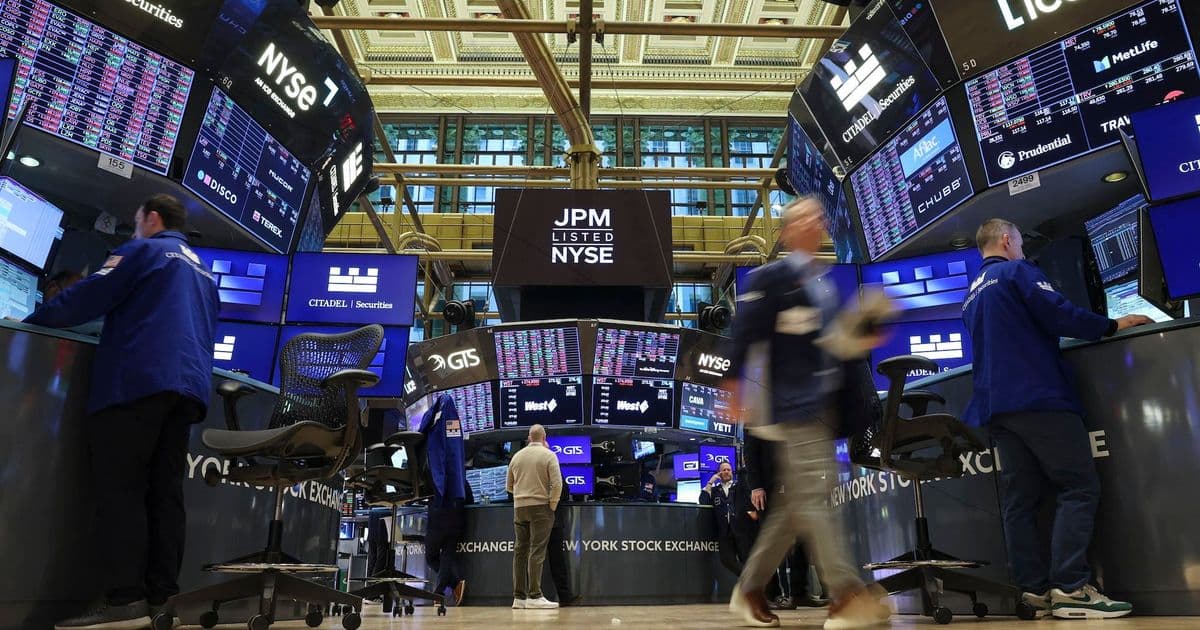
The New York Stock Exchange is developing a blockchain-based platform for round-the-clock trading of tokenized stocks and ETFs, aiming to overcome the traditional market's time restrictions and settlement delays.
The New York Stock Exchange (NYSE) is building a new venue for 24/7, instantly-settled trading of stocks and ETFs in tokenized form, according to a Bloomberg report. This move represents a direct challenge to the conventional equity market model, which operates during limited hours on weekdays and is closed on holidays. The development signals a significant evolution in market infrastructure, moving from physical trading floors to electronic order books and now to blockchain-based systems.
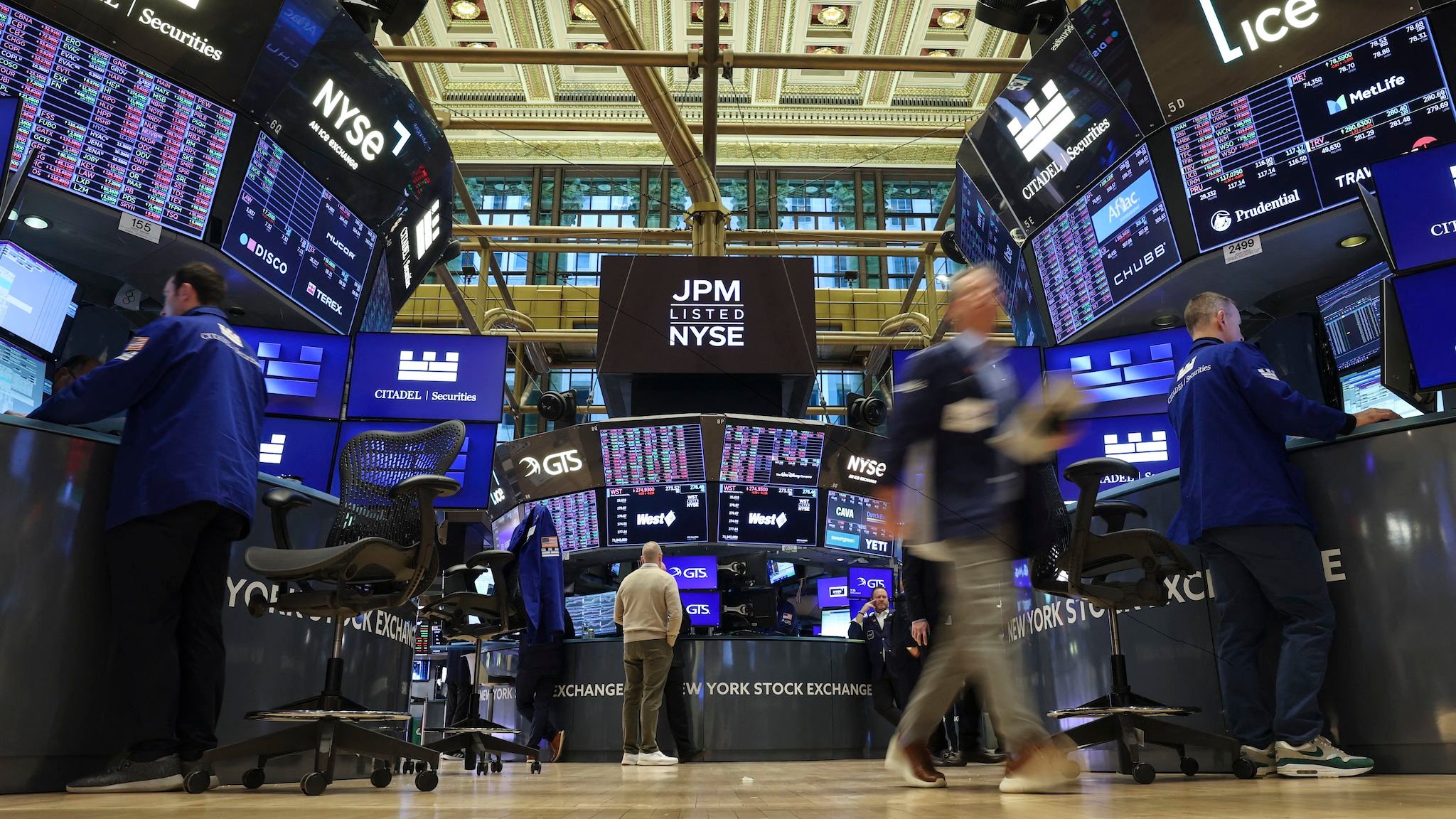
The new platform, scheduled to launch "later this year," will integrate NYSE's existing Pillar buyer-seller matching engine with a blockchain-based settlement system. According to Michael Blaugrund of Intercontinental Exchange Inc (ICE), which owns the NYSE, this illustrates the market's evolution "from trading floor, to electronic order-book, to blockchain." The architecture is designed to link with various networks while ensuring that tokenized stocks maintain the same rights as conventional shares, including dividend payments and corporate governance participation. The shares will be backed by U.S. dollars in stablecoin form, providing the necessary collateralization for trading.
The technical implementation addresses several fundamental limitations of current equity markets. First, it eliminates the one-day settlement delay (T+1) that exists in conventional markets through instant settlement on the blockchain. Second, it removes the artificial time constraints of traditional trading sessions, which have been criticized as increasingly anachronistic in an era of digital finance. The argument has long been made that time restrictions made little sense once trading stopped being physical and moved to electronic systems.

The development is reportedly in an advanced stage, with ICE already in discussions with the U.S. Securities and Exchange Commission for regulatory approval. The seemingly mature state of the project suggests that regulatory clearance may be anticipated, though formal approval remains pending. This regulatory engagement is crucial, as tokenized securities must comply with existing securities laws while operating on new technological infrastructure.
Beyond the trading platform itself, ICE is collaborating with Citigroup and the Bank of New York to implement support for tokenized deposits. This partnership addresses the practical need for managing cash flow outside traditional banking hours, which is essential for a 24/7 trading environment. The integration of traditional banking institutions with blockchain infrastructure represents a significant step toward mainstream adoption of digital asset technology in established financial systems.

The NYSE's initiative follows similar moves by other major financial institutions. Nasdaq requested SEC permission to trade tokenized stocks last September, while the London Stock Exchange Group launched a digital private fund management platform the same month. In December, J.P. Morgan introduced a tokenized money market fund based on the Ethereum blockchain. These parallel developments indicate a broader industry trend toward blockchain-based financial infrastructure.
The technical architecture of the NYSE's proposed system appears to prioritize compatibility with existing market structures while introducing new capabilities. By leveraging the Pillar matching engine, the platform maintains continuity with current trading systems while adding blockchain settlement. This approach may facilitate smoother adoption by market participants who are already familiar with NYSE's existing infrastructure.
The implications for market efficiency are substantial. Instant settlement reduces counterparty risk and frees up capital that would otherwise be tied up during the settlement period. The 24/7 trading capability could attract international investors who face time zone disadvantages with current U.S. market hours. However, the extended trading hours may also introduce new challenges related to liquidity distribution and market surveillance during off-peak periods.
The tokenization of stocks and ETFs on a blockchain platform also raises questions about custody and ownership verification. The system must ensure that token holders maintain the same legal rights as traditional shareholders, including voting rights and dividend entitlements. The backing of tokens with U.S. dollars in stablecoin form provides a mechanism for maintaining this equivalence, though the technical implementation will be critical to ensuring proper execution.
As the financial industry continues its digital transformation, the NYSE's move represents one of the most significant applications of blockchain technology in traditional capital markets. The success of this platform could serve as a blueprint for other exchanges and financial institutions considering similar modernization efforts. The project's progress will be closely watched by market participants, regulators, and technology providers as it represents a potential inflection point in the evolution of global trading infrastructure.
Comments
Please log in or register to join the discussion