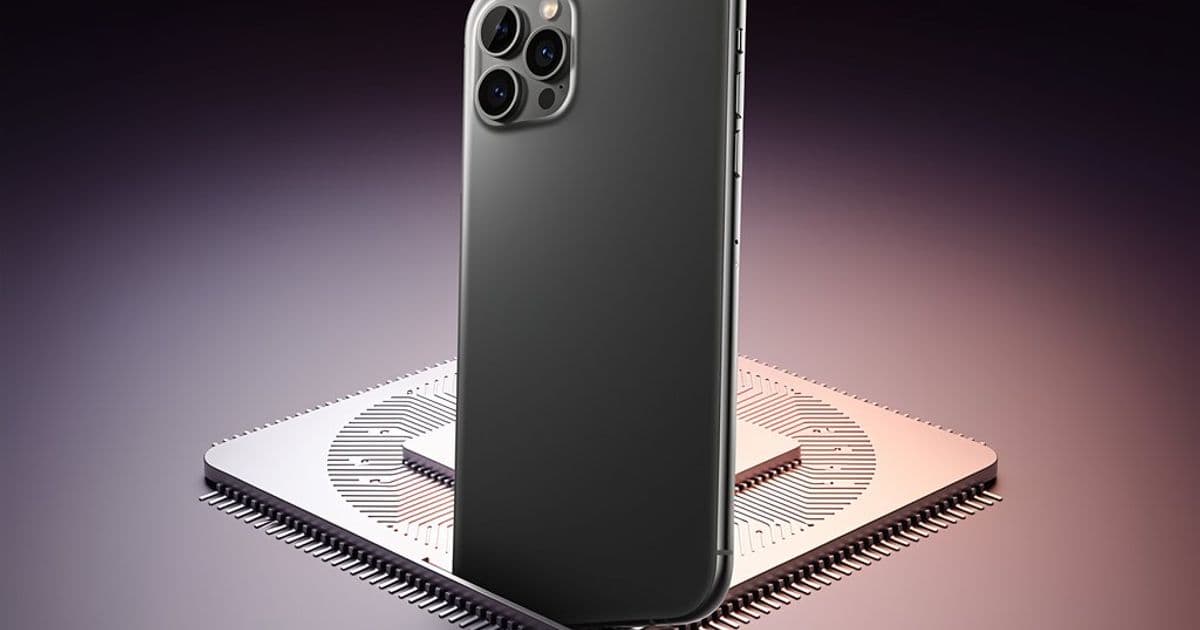
The upcoming OnePlus Nord 6 has appeared in the Geekbench database, confirming it will use the same Snapdragon 8s Gen 4 chipset as the recently launched OnePlus Turbo 6 in China. This suggests the Nord 6 may be a rebranded version of the Turbo 6 for global markets, bringing a high-performance chipset to the mid-range segment.
The OnePlus Nord 6 has surfaced in the Geekbench benchmark database, revealing key specifications ahead of its expected global launch. The listing shows the device, identified by model number CPH2795, is powered by Qualcomm's Snapdragon 8s Gen 4 system-on-a-chip (SoC). This is the same processor found in the OnePlus Turbo 6, which launched in China earlier this month, strongly suggesting the Nord 6 will be a rebranded version of that device for international markets.

The Geekbench listing indicates the prototype tested had 12GB of RAM, though OnePlus typically offers multiple memory configurations at launch. The device is confirmed to run Android 16 out of the box, which aligns with the Turbo 6's software and represents the latest version of Google's mobile operating system.
Snapdragon 8s Gen 4: Performance in the Mid-Range
The Snapdragon 8s Gen 4 is a strategic chipset choice for OnePlus. It sits between Qualcomm's flagship 8 Gen series and their mid-range 7-series chips, offering a compelling balance of performance and efficiency. While not the absolute top-tier 8 Gen 4 found in devices like the Samsung Galaxy S25 Ultra, the 8s variant delivers substantial GPU and CPU performance that should handle demanding games and multitasking with ease.
This chipset choice indicates OnePlus is positioning the Nord 6 as a performance-focused mid-range device. The 8s Gen 4 typically features a slightly lower clock speed and fewer GPU cores compared to its full flagship sibling, but the real-world difference for most users is minimal. What matters more is that it provides a significant upgrade over previous Nord generations, which typically used mid-range Snapdragon 7-series chips.
Expected Specifications Based on Turbo 6
If the Nord 6 is indeed a rebranded Turbo 6, we can expect the following specifications:
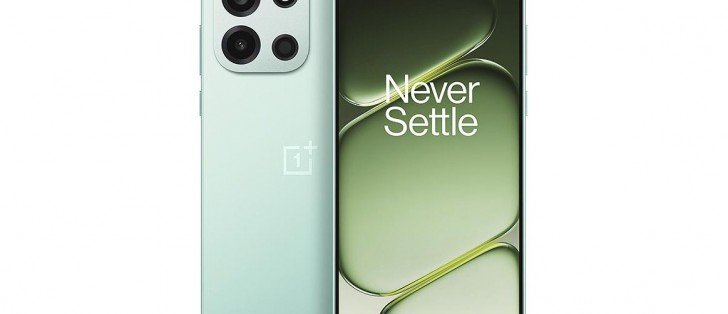
Display: A 6.78-inch AMOLED panel with 1272x2772 resolution and 165Hz refresh rate. This is a high-end display specification for the mid-range segment, offering smooth scrolling and vibrant colors. The 165Hz refresh rate is particularly notable—most phones in this category stick to 120Hz.
Memory and Storage: The benchmark shows 12GB of RAM, but OnePlus typically offers variants with 8GB, 12GB, and possibly 16GB options. Storage configurations likely range from 128GB to 512GB, using UFS 4.0 technology for fast read/write speeds.
Cameras: A 50MP main camera with Optical Image Stabilization (OIS) should be the primary shooter, paired with a 16MP front-facing camera for selfies. While the Turbo 6's camera system isn't revolutionary, OIS is a crucial feature for low-light photography and stable video recording.
Battery and Charging: Perhaps the most impressive spec is the rumored 9,000 mAh battery—a massive capacity that should provide exceptional battery life. This is paired with 80W wired fast charging and 27W reverse wired charging. The 80W charging can typically charge a large battery from 0 to 100% in under 45 minutes, while reverse charging allows the phone to charge other devices like earbuds or smartwatches.
Ecosystem and Market Position
The Nord series has been OnePlus's answer to the competitive mid-range market, competing with devices from Samsung's Galaxy A series, Google's Pixel A series, and various Chinese brands. By using the Snapdragon 8s Gen 4, OnePlus is signaling that the Nord 6 will prioritize performance over other aspects like camera versatility or premium materials.
This strategy makes sense given the current market landscape. Many mid-range buyers are gamers or power users who want flagship-level performance without paying flagship prices. The Nord 6 appears designed to capture this segment by offering a high-end chipset at a more accessible price point.
The rebranding strategy also allows OnePlus to streamline its product development. Instead of creating entirely separate hardware for different markets, they can adapt the Turbo 6 for global release with minimal changes—likely just software adjustments and regional certifications. This approach reduces costs and speeds up time-to-market.
What This Means for Consumers
For potential buyers, the Nord 6 represents a compelling option if you prioritize performance above all else. The Snapdragon 8s Gen 4 should handle any app or game you throw at it, and the large battery ensures you won't need to charge frequently. The 165Hz display will make everything feel smooth, from scrolling social media to competitive gaming.
However, there are trade-offs to consider. The camera system, while capable, may not match the computational photography prowess of Google's Pixel A series or the versatility of Samsung's mid-range offerings. The device's size and weight (likely substantial given the 9,000 mAh battery) might not appeal to users who prefer compact phones.
The Nord 6 also continues OnePlus's trend of offering a clean, near-stock Android experience through OxygenOS. This is a significant advantage for users who dislike the bloatware and heavy customization found on some competing devices.
Timeline and Availability
While OnePlus hasn't officially announced the Nord 6, the Geekbench listing suggests the launch is imminent. Typically, devices appear in benchmark databases 2-3 months before release. Given the Turbo 6 launched in China in January 2026, we can expect the Nord 6 to reach global markets in Q2 2026.
Pricing will be crucial. The Turbo 6 launched at approximately ¥3,599 ($500) in China. If OnePlus maintains similar pricing for the global market, the Nord 6 could be positioned around $550-$600, making it competitive with devices like the Samsung Galaxy A55 and Google Pixel 8a.
The Bigger Picture
The Nord 6's chipset choice reflects a broader trend in the smartphone industry: the democratization of flagship performance. As chip manufacturing processes improve and costs decrease, features that were once exclusive to $1,000 phones are trickling down to the $500 segment. This benefits consumers who no longer need to choose between performance and affordability.
For OnePlus, the Nord 6 represents an opportunity to strengthen its position in the mid-range market while maintaining its reputation for delivering value. If executed well, it could become one of the best performance-focused mid-range phones of 2026.
As always with pre-launch rumors, these specifications should be taken with a grain of salt until OnePlus makes an official announcement. However, the Geekbench listing provides credible evidence that the Nord 6 will be a formidable contender in the competitive mid-range segment.
Source: GSMArena
Comments
Please log in or register to join the discussion