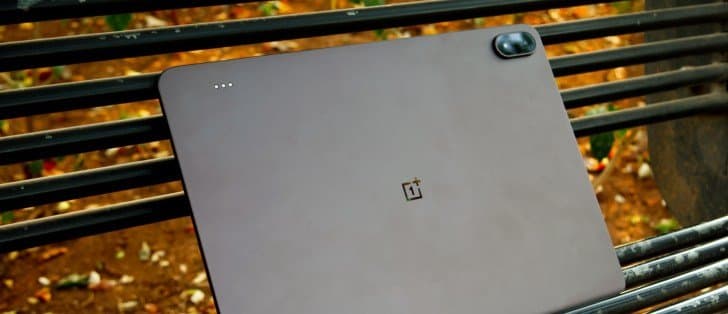
The OnePlus Pad 4 arrives as a refined iteration of last year's model, bringing the latest Snapdragon 8 Elite Gen 5 processor, enhanced battery capacity, and new accessory support to the premium Android tablet market.
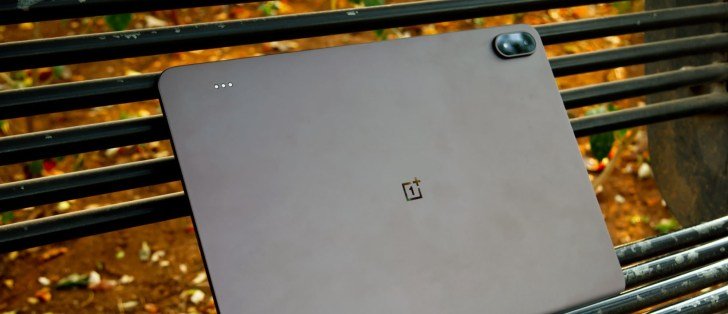
The OnePlus Pad 4 has officially arrived, marking the company's latest entry into the premium Android tablet segment. As the successor to the OnePlus Pad 3, this new tablet represents a careful balance between evolutionary upgrades and maintaining the design language that made its predecessor appealing to consumers. While some might view it as merely an incremental update, closer examination reveals several meaningful improvements that address key areas important to tablet users.
Processor Powerhouse: Snapdragon 8 Elite Gen 5
At the heart of the OnePlus Pad 4 lies the Qualcomm SM8850-AC Snapdragon 8 Elite Gen 5 chipset, built on a cutting-edge 3nm manufacturing process. This represents a significant jump from the processor in the previous generation and places the Pad 4 among the most powerful Android tablets currently available. The new Snapdragon 8 Elite Gen 5 delivers substantial improvements in both CPU and GPU performance, enabling smoother multitasking, faster app loading times, and enhanced capabilities for productivity and creative applications.
For mobile enthusiasts, this processor upgrade means more than just raw numbers. The improved thermal efficiency should allow the tablet to maintain peak performance for longer periods during intensive tasks like video editing or gaming. The enhanced GPU also brings better support for high refresh rate displays, which the Pad 4 certainly benefits from with its 144Hz panel. You can learn more about the Snapdragon 8 Elite Gen 5 processor on Qualcomm's official page.
Display Excellence: Visual and Performance
The OnePlus Pad 4 features a stunning 13.20-inch IPS LCD display that delivers exceptional visual quality. With a resolution of 2400x3392 pixels and a pixel density of 315ppi, text appears sharp and images look detailed. The display supports an impressive 68 billion colors and Dolby Vision, ensuring vibrant and accurate color reproduction for media consumption.
The 144Hz refresh rate is particularly noteworthy for a tablet in this category. This higher refresh rate makes scrolling through content, playing games, and navigating the interface feel noticeably smoother compared to standard 60Hz or even 120Hz displays. The display also boasts respectable brightness levels, with 700 nits typical brightness and 1000 nits peak brightness in High Brightness Mode (HBM), making it usable in various lighting conditions.
Enhanced Battery Life and Charging
OnePlus has equipped the Pad 4 with a 13,380mAh battery, representing a 10% increase over the previous generation. This capacity boost, combined with the power efficiency gains from the new Snapdragon 8 Elite Gen 5 processor, should translate to improved battery life for typical usage scenarios. For users who rely on their tablets throughout the day for work, entertainment, or a combination of both, the increased battery capacity will likely result in less frequent charging.
The tablet supports 80W wired charging, which remains among the fastest charging solutions available for tablets. This means that even with a large battery, users can quickly top up the device when needed. While wireless charging isn't mentioned in the specifications, the fast wired charging helps mitigate the inconvenience of the larger battery size. For more information about OnePlus' fast charging technology, check out their VOOC charging page.
Software Experience: Android 16 with OxygenOS 16
The OnePlus Pad 4 runs Android 16 with OxygenOS 16, the company's custom Android skin. This combination provides a clean, intuitive user experience with additional features tailored for tablet usage. OxygenOS has traditionally been praised for its smooth performance and thoughtful optimizations, and the version 16 build likely includes further refinements specifically for the Pad 4's larger screen.
Android 16 brings its own set of improvements, enhanced multitasking capabilities, and new features that take advantage of the tablet's form factor. The combination of Google's latest mobile OS with OnePlus' custom overlay should provide a cohesive experience that balances stock Android's simplicity with useful enhancements. Explore more about OxygenOS features on OnePlus' official website.
Productivity and Creativity: Accessory Support
One of the most significant additions to the OnePlus Pad 4 ecosystem is the support for new accessories. The tablet now works with a dedicated keyboard cover and stylus, expanding its capabilities for productivity and creative tasks. These accessories, while sold separately, transform the Pad 4 from a primarily media consumption device into a more versatile tool for work and creativity.
The stylus support suggests that OnePlus is positioning the Pad 4 as a viable option for digital artists, note-takers, and anyone who benefits from pen input. Combined with the powerful processor and high-quality display, this makes the tablet a compelling option for creative professionals and students alike. While specific details about the accessories aren't provided in the initial announcement, OnePlus typically offers dedicated accessory pages for their devices.
Build Quality and Design
The OnePlus Pad 4 maintains a premium build quality with a glass front, aluminum frame, and aluminum back. Its dimensions of 289.7x209.8x5.9mm and weight of 672g place it in the typical range for 13-inch tablets, offering a good balance between screen real estate and portability. The inclusion of stereo speakers with 8 speakers promises an immersive audio experience for media consumption and gaming.
Camera Capabilities
While tablets are rarely used as primary cameras, the OnePlus Pad 4 includes respectable camera hardware. The 13MP rear camera and 8MP front camera should be sufficient for video calls, document scanning, and occasional photography. The rear camera supports 4K video recording at 30fps, while the front camera handles 1080p video recording. Both cameras feature gyro-EIS (Electronic Image Stabilization) to help reduce shake during video recording.
Storage Options and Connectivity
The OnePlus Pad 4 is available in two storage configurations: 256GB with 8GB RAM and 512GB with 12GB RAM. Both options utilize UFS 4.1 storage, which should provide fast read and write speeds for app loading, file transfers, and overall system responsiveness.
In terms of connectivity, the tablet supports Wi-Fi 7, the latest wireless standard offering improved speeds, lower latency, and better performance in crowded networks. It also includes Bluetooth 6.0 with aptX HD support, enabling high-quality wireless audio connections to compatible headphones and speakers. Learn more about Wi-Fi 7 technology and its benefits.
Ecosystem Considerations
OnePlus has been gradually expanding its ecosystem beyond smartphones, and the Pad 4 represents an important component of this strategy. The tablet's compatibility with OnePlus smartphones could enable features like cross-device file transfers, seamless handoff between devices, and unified notifications. While the provided content doesn't detail specific ecosystem features, OnePlus has historically offered some level of integration between its devices.
The addition of the keyboard cover and stylus accessories suggests that OnePlus is committed to growing its tablet ecosystem. These accessories, along with the tablet itself, could appeal to users already invested in the OnePlus smartphone ecosystem, creating a more cohesive experience across devices. Explore OnePlus' ecosystem to understand how their devices work together.
Market Positioning and Competition
In the premium Android tablet market, the OnePlus Pad 4 faces competition from established players like Samsung's Galaxy Tab series and Lenovo's Yoga Tab lineup. The Pad 4's key differentiators include the high refresh rate display, powerful processor, and fast charging capabilities. However, it may need to prove its worth against more established brands with broader accessory ecosystems and longer track records of tablet software support.
The iterative nature of this update might raise questions about whether OnePlus is doing enough to differentiate its tablet offerings. However, the combination of the latest hardware and refined software could be enough to attract users looking for a premium Android tablet experience without the premium price tag often associated with established brands.
Initial Impressions and Future Outlook
Based on the specifications provided, the OnePlus Pad 4 appears to be a solid refinement of its predecessor. The processor upgrade, larger battery, and new accessory support address key areas that users care about in a tablet device. While it may not revolutionize the tablet market, it offers compelling features that could make it an attractive option for specific user segments.
As with any new device, real-world performance will ultimately determine its success. Factors such as software optimization, battery life under actual usage conditions, and the quality of the new accessories will play crucial roles in how the Pad 4 is received by consumers.
For potential buyers, the OnePlus Pad 4 represents a balanced approach to tablet design, focusing on core improvements while maintaining the design language and user experience that OnePlus has established with its previous devices. Whether this strategy will be enough to gain significant market share in the competitive tablet segment remains to be seen, but the Pad 4 certainly has the hardware specifications to compete with the best Android tablets currently available.
Comments
Please log in or register to join the discussion