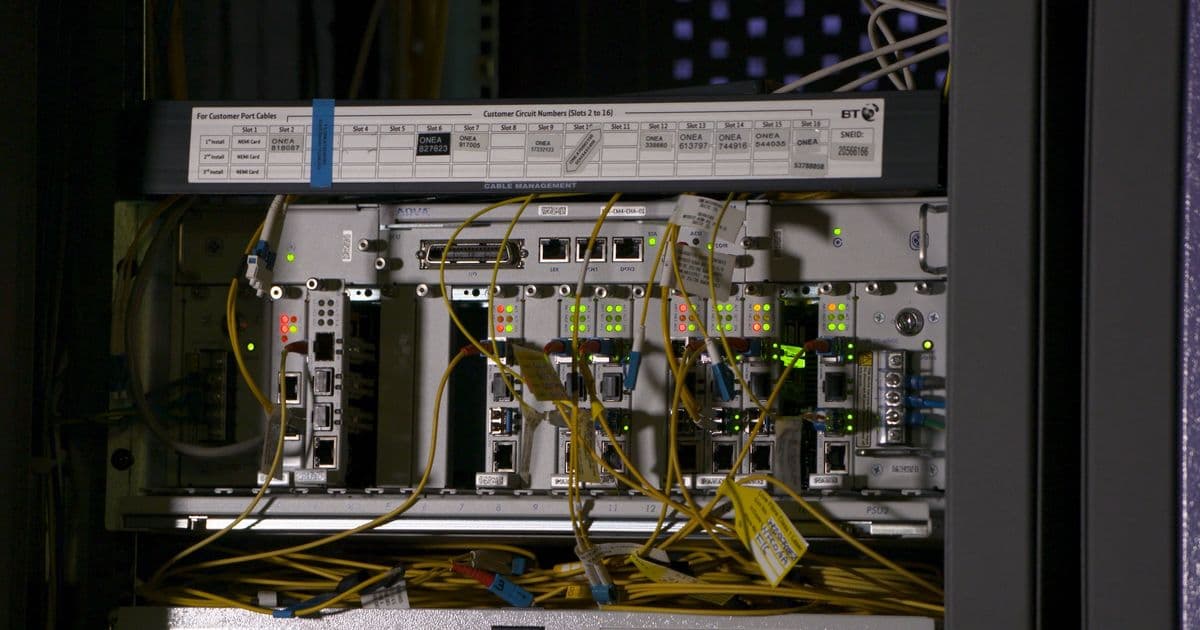
Openreach's fiber-optic cables can now detect water leaks using Distributed Acoustic Sensing technology, potentially saving millions of liters daily, but the real challenge lies in whether water companies will actually repair the leaks they find.
Openreach has demonstrated that its extensive fiber-optic network can double as a sophisticated leak detection system for water pipes, potentially saving millions of liters of water daily. The technology, known as Distributed Acoustic Sensing (DAS), uses existing broadband cables to pinpoint plumbing faults by analyzing vibrations in the ground caused by leaks.
The pilot program, conducted with Affinity Water and technology developer Lightsonic, tested the system across five locations near London including Walton-on-Thames, Hemel Hempstead, Luton, Chesham/Amersham, and Ware. Over three months, the sensing technology located more than 100 leaks while monitoring 650 km of pipes, saving an estimated 2 million liters of water per day - enough to supply 10,000 people for a year.
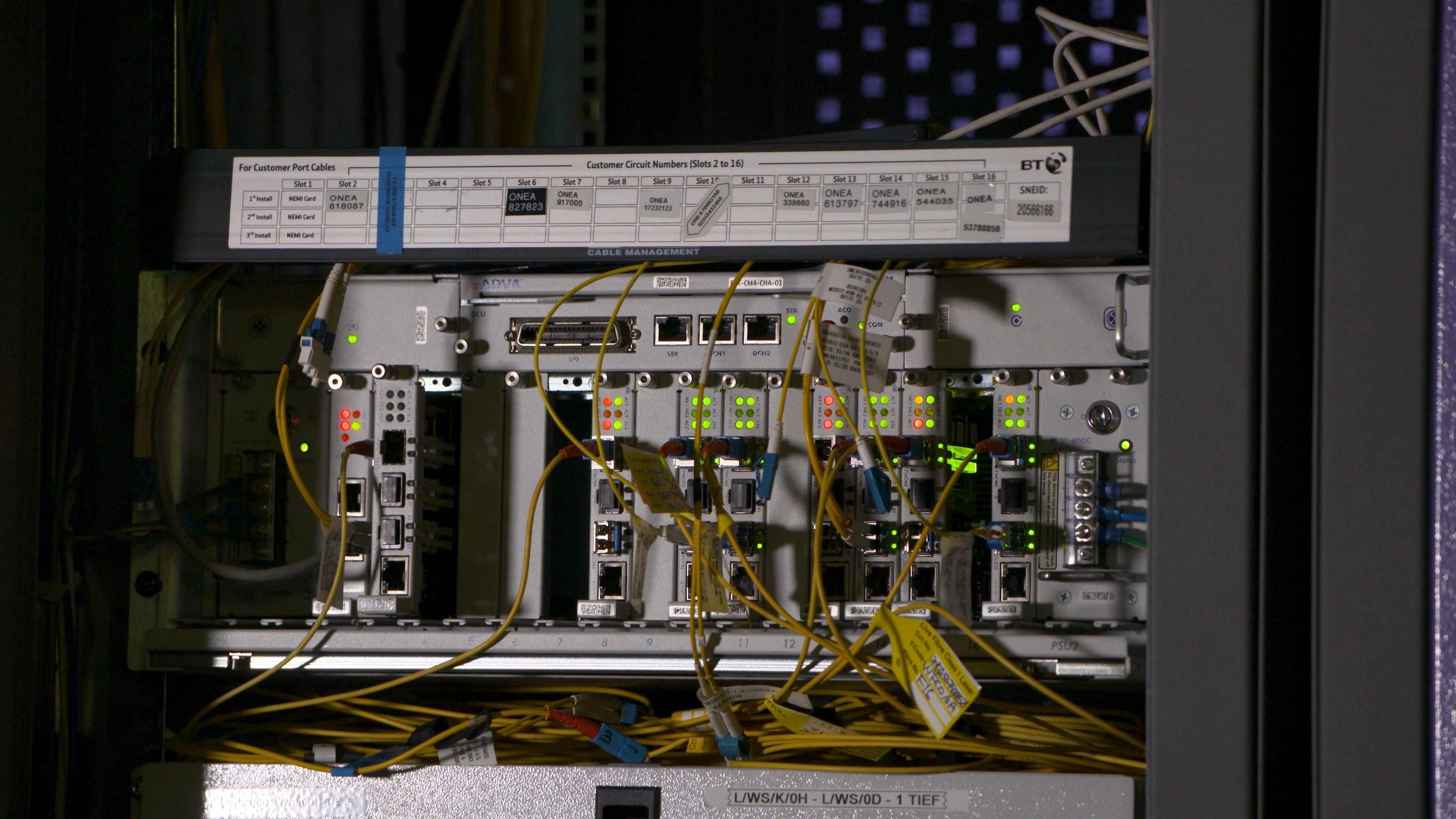
DAS works by analyzing changes in light beams carried by fiber-optic cables, with machine learning algorithms trained to distinguish genuine leaks from background noise such as traffic or roadworks. The technology transforms the telecom fiber-optic network into a continuous sensing layer, providing 24/7 monitoring capabilities that traditional leak detection methods cannot match.
Traditional leak detection relies on targeted surveys and field teams manually traversing the network, meaning fiber sensing could catch leaks far sooner. Affinity Water is enhancing its existing detection program with DAS providing continuous monitoring, helping its teams target areas of interest more effectively.
However, the technology faces a significant hurdle: the willingness of water companies to actually fix the leaks they detect. Openreach's infrastructure arm, which is part of Britain's former state-owned telco BT, acknowledges that the success of this system depends entirely on whether privatized water firms in England and Wales view leak detection as a priority.
When asked about the costs of deploying DAS equipment, Openreach stated that the technology plugs into the network via the Optical Line Terminal (OLT) at the exchange. While the company described it as cost-effective because it uses existing infrastructure, they noted it's difficult to provide specific pricing figures since this remains a pilot program. The system uses spare fibers to avoid signal interference, though Openreach is investigating running it across live cables carrying internet traffic.
The nationwide reach of Openreach's fiber infrastructure means the system could potentially be scaled across the UK. According to Openreach, there are positive indications from the water industry about adopting this service, with Affinity Water expressing interest in contracting once the trial concludes.
This development represents a significant step in using existing infrastructure for environmental monitoring, but it also highlights a broader challenge in utility management: having the technology to detect problems is only half the battle - actually addressing them requires political will and financial commitment from the companies responsible for maintenance.
As water scarcity becomes an increasing concern globally, technologies that can efficiently detect and prevent waste become more valuable. The question remains whether the economic incentives align for water companies to invest in fixing leaks at the scale needed to make a meaningful impact on water conservation efforts.
Comments
Please log in or register to join the discussion