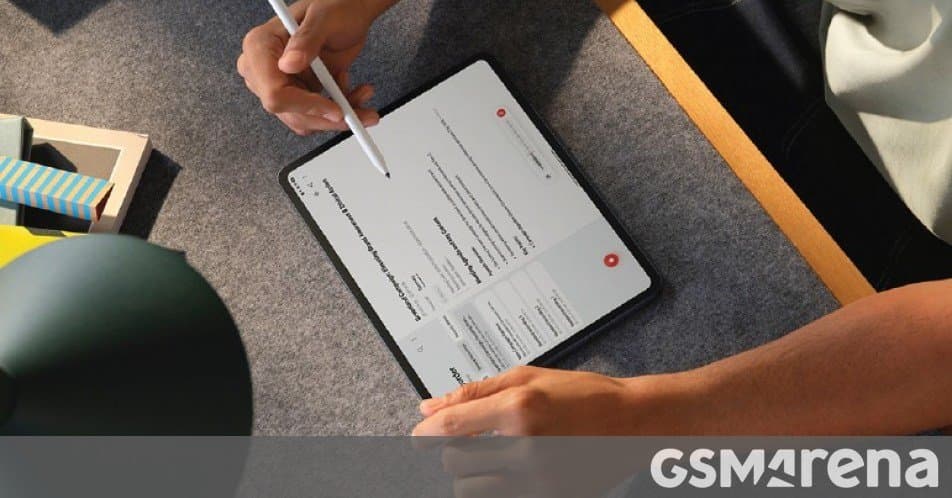
Oppo's latest tablet prioritizes eye comfort with a matte display but trades raw processing power for this specialized feature.
Oppo Pad 5 Matte Display Review: A Reading-Focused Tablet with Compromised Performance
Oppo has introduced the Pad 5 Matte Display (also known as Air5), a tablet that places significant emphasis on display quality for reading and note-taking experiences. With its anti-glare screen technology, this tablet aims to solve one of the most common complaints about tablet usage: eye strain from reflections and blue light exposure. 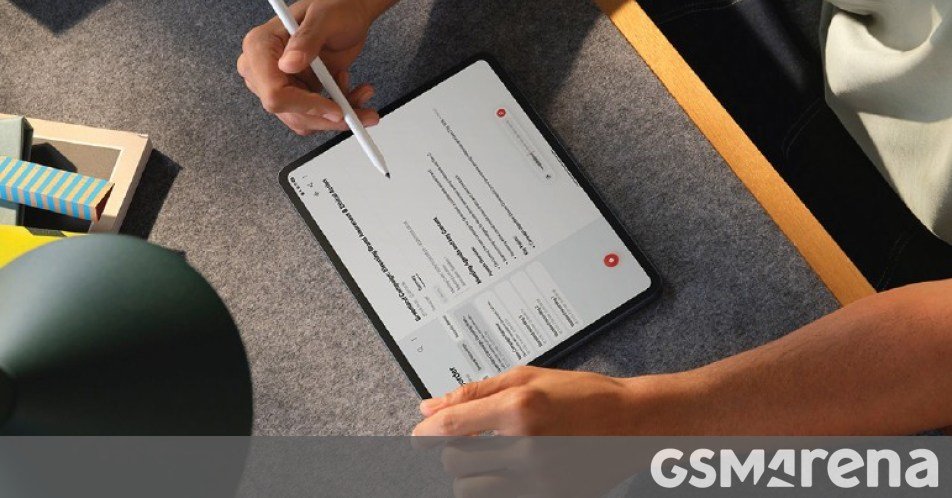
Display Technology: The Star of the Show
The standout feature of the Oppo Pad 5 Matte Display is, without question, its 12.1-inch IPS LCD panel. This display is specifically optimized for reading and note-taking, with a resolution of 2,800 x 1,980 pixels that provides crisp text rendering. The 120Hz refresh rate ensures smooth scrolling and interaction, while 12-bit color depth delivers vibrant visuals when needed.
What truly sets this display apart is its matte finish, which eliminates the glossy reflections that plague most tablets. The panel has received TÜV Rheinland certification for impressive specifications: a 97% reduction in reflections and a 70% cut in harmful blue light. These features make it an excellent choice for extended reading sessions, whether you're studying, reviewing documents, or taking digital notes.
The matte display does come with a trade-off, however. As noted in the testing, the anti-glare coating makes the screen "a bit dull" compared to glossy alternatives. This reduction in brightness and vibrancy is the price paid for the reflection-reducing benefits.
Performance Analysis: Middle of the Pack
Under the hood, the Oppo Pad 5 Matte Display is powered by a MediaTek Dimensity 7300 Ultra chipset. This 6nm (TSMC N6) processor features a configuration of 4x Cortex-A78 cores clocked at 2.8GHz and 4x Cortex-A55 efficiency cores. In our testing of the 8GB/256GB model, the tablet delivered benchmark results that place it firmly in the middle of the competitive landscape.
Benchmark Performance
The Dimensity 7300 Ultra shows respectable but unremarkable performance in standard tests:
- Geekbench 6: Single-core score of 1,014
- AnTuTu v10: 780,553 points
- 3DMark Wild Life Extreme (Highest): 865
These scores indicate that while the tablet can handle everyday tasks smoothly, it's not designed for intensive workloads. The Mali-G615 MC2 GPU, despite being modern, suffers from a low core count that limits its graphical capabilities.
Interestingly, the high-resolution display (2,800 x 1,980) impacts performance, as rendering more pixels requires more processing power. This is particularly evident in graphics-intensive applications and games.
Storage and Memory
The tested model includes 8GB of LPDDR5X RAM and 256GB of UFS 3.1 storage. The LPDDR5X memory provides good bandwidth for multitasking, while the UFS 3.1 storage offers faster data access compared to the UFS 2.2 found in some competitors. However, it's worth noting that the Xiaomi Pad 7 in this comparison category features the even faster UFS 4.0 storage.
Market Position and Competition
Priced at MYR 2,100 in Malaysia and SGD 570 in Singapore, the Oppo Pad 5 Matte Display sits in the mid-range tablet segment. Its pricing reflects the investment in the specialized matte display, leaving less budget for the processor compared to some competitors.
In the competitive landscape, the Oppo faces several alternatives:
- Xiaomi Pad 7 (MYR 1,500/SGD 500): Features a 11.2" IPS LCD with higher resolution (3,200 x 2,136px), 144Hz refresh rate, and the more powerful Snapdragon 7+ Gen 3 chipset.
- OnePlus Pad Go 2 (SGD 370): Shares the same Dimensity 7300 Ultra and display specs (12.1", 120Hz, 2,800 x 1,980px) but at a lower price point.
- Poco Pad M1 (MYR 1,000/SGD 350): Uses a Snapdragon 7s Gen 4 with newer Cortex-A720 cores and a 12.1" display with slightly lower resolution (2,560 x 1,600px).
The benchmark results clearly show that the Oppo's Dimensity 7300 Ultra falls behind the Snapdragon 7+ Gen 3 in the Xiaomi Pad 7, which features a Cortex-X4 prime core for superior single-core performance. Even the older Snapdragon 888 in the Infinix XPad GT outperforms the Oppo in graphics tests.
Use Case Analysis
The Oppo Pad 5 Matte Display is clearly not designed for gaming, video editing, or other intensive workloads. Its strengths lie in productivity tasks where reading, reviewing documents, and note-taking make up the bulk of usage.
The matte display makes it particularly suitable for:
- Students who need to read textbooks and take notes
- Professionals reviewing documents for extended periods
- Anyone who experiences eye strain with glossy displays
- Digital artists who prefer a non-reflective drawing surface
However, the middling performance creates an opening for competitors. Xiaomi, for instance, offers a nano-textured version of the Pad 7 in some regions that reduces screen reflectivity by 65% and removes 99% of interfering light, though this version costs extra.
Ecosystem Considerations
As part of Oppo's tablet ecosystem, the Pad 5 Matte Display benefits from the company's growing software support and accessory ecosystem. While the article doesn't detail specific ecosystem features, Oppo typically offers synchronization with its smartphones and other devices, which could be a consideration for existing Oppo users.
The tablet runs Android with Oppo's custom skin, which should provide a familiar experience for Android users while adding some tablet-specific optimizations.
Final Thoughts
The Oppo Pad 5 Matte Display represents an interesting trade-off in the tablet market. By prioritizing display comfort over raw processing power, Oppo has created a device that excels in specific use cases while falling short in others. The matte display is genuinely impressive for reading and note-taking, but the Dimensity 7300 Ultra chipset leaves something to be desired for more demanding tasks.
For users whose primary tablet activities involve reading and document work, the Oppo Pad 5 Matte Display offers a compelling solution that addresses common pain points. However, those who need more processing power for gaming, creative work, or multitasking might find better value in competitors like the Xiaomi Pad 7, despite its glossy display.
The Oppo Pad 5 Matte Display is a testament to the fact that "best" tablet is highly dependent on individual needs and use cases. For the right user, its specialized display could make it worth the premium price and performance compromises.
Comments
Please log in or register to join the discussion