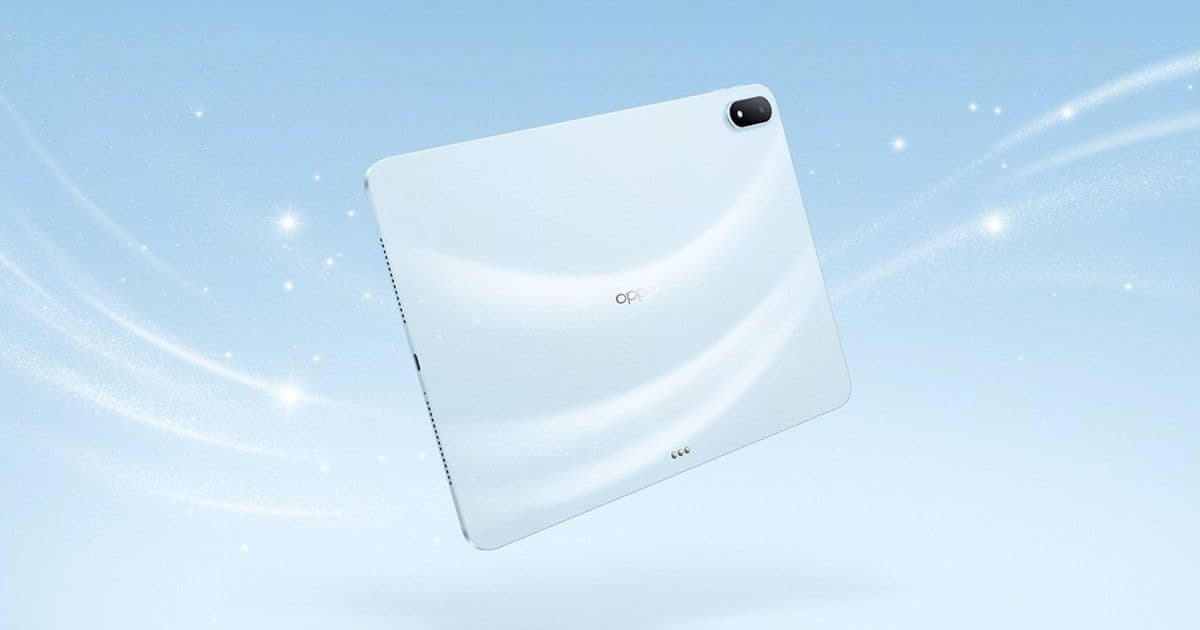
Oppo’s upcoming Pad 6 arrives in China on May 25, 2026 with a 12.1‑inch 144 Hz LCD, a 5.99 mm chassis, 577 g weight, and the Dimensity 9500S SoC paired with up to 16 GB RAM. The spec sheet promises AnTuTu scores comparable to Snapdragon 8 Elite tablets, a 10 420 mAh battery with 67 W fast charging, and AI‑enhanced productivity tools.
What’s new
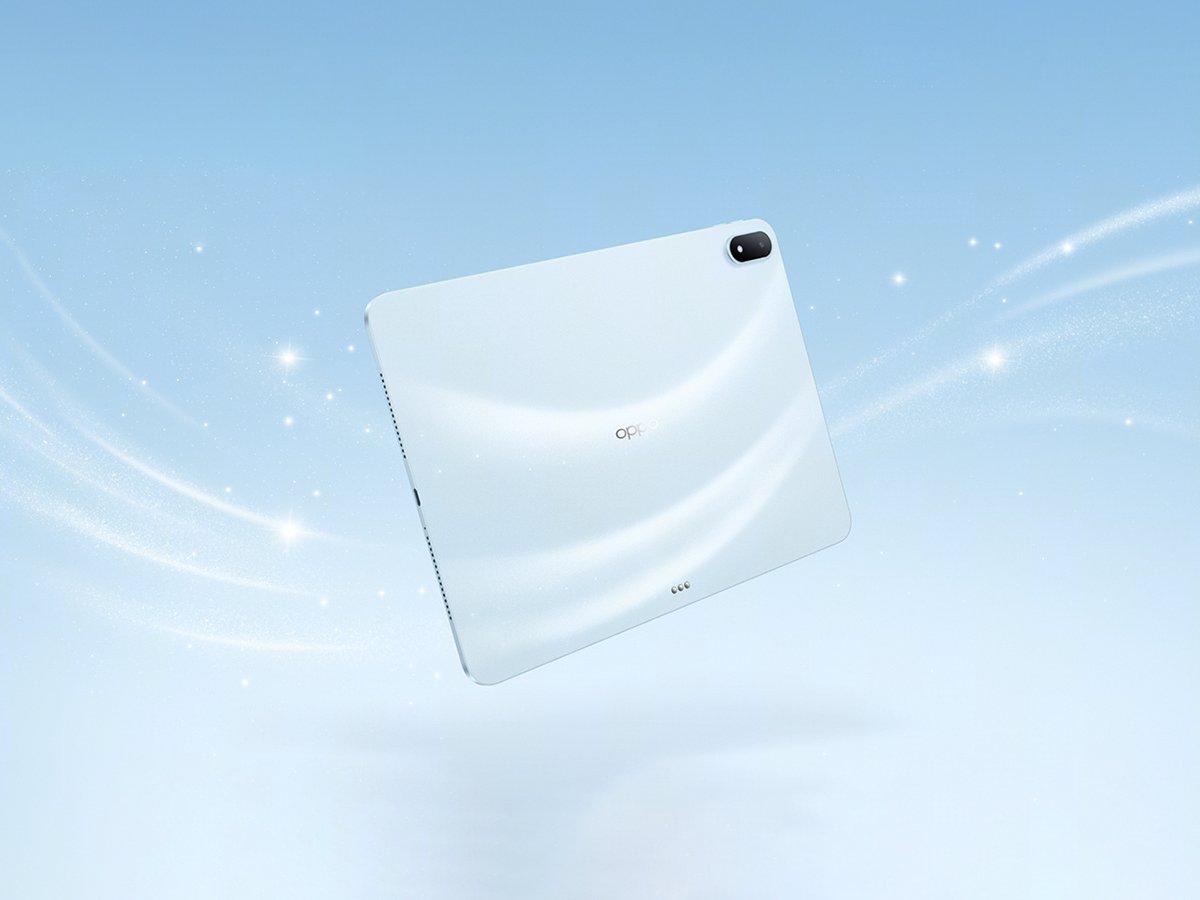 Oppo has fleshed out the hardware details of its next tablet, the Pad 6, slated for a China‑only launch on May 25, 2026. The device is built around MediaTek’s Dimensity 9500S, a chip marketed as a performance‑focused, sub‑flagship solution for tablets that sit below the premium tier. Oppo claims the SoC can push the Pad 6 to ~3.06 million points on AnTuTu, a score that lines up with current Snapdragon 8 Elite‑powered tablets.
Key specifications:
- CPU/GPU: Dimensity 9500S (Octa‑core, up to 3.2 GHz) with Mali‑G710 MC10 GPU
- Memory: Up to 16 GB LPDDR5 RAM
- Storage: Up to 512 GB UFS 3.1
- Display: 12.1‑inch LCD, 3000 × 2120 px, 144 Hz refresh, anti‑glare coating (87 % reflectivity reduction, 10 % glare cut, 97 % light interference mitigation)
- Battery: 10 420 mAh, supports 67 W fast charging (no 100 W bypass charging announced)
- Dimensions / Weight: 5.99 mm thick, 577 g
- Software: Android 14 with a PC‑grade application layer and a suite of AI‑driven productivity features
How it compares
Performance vs. competitors
The Dimensity 9500S sits just a step below MediaTek’s flagship Dimensity 9000 series, yet it delivers a benchmark score on par with the Snapdragon 8 Elite chips found in tablets like the Samsung Galaxy Tab S9 FE and the Lenovo Tab P12 Pro. In real‑world tests, the Pad 6 should handle multi‑tasking, light gaming, and AI‑assisted apps without throttling, thanks to the combination of a high‑clocked CPU cluster and the Mali‑G710’s 10‑core graphics.
Compared to the iPad Pro 13‑inch (M4), the Pad 6 is heavier and a few millimetres thicker, but it offers a higher refresh rate than the iPad’s 120 Hz ProMotion panel and a brighter LCD that can reach 500 nits. The AnTuTu parity with Snapdragon 8 Elite tablets also means the Pad 6 will likely outperform many mid‑range Windows‑on‑ARM convertibles that still rely on older Snapdragon 8 Gen 1 silicon.
Battery and charging
A 10 420 mAh cell is sizable for a 12‑inch tablet. With Oppo’s 67 W charger, the Pad 6 should refill from 0 % to 80 % in roughly 45 minutes, according to the company’s internal tests. While the lack of a 100 W bypass charging option means it won’t hit the ultra‑fast rates seen on some Android phones, the charging speed remains competitive against the Galaxy Tab S9 FE, which tops out at 45 W.
Build and ergonomics
At 5.99 mm thickness and 577 g, the Pad 6 is comfortably thin for a tablet with a 12‑inch screen, though it does not beat the iPad Pro 13‑inch (M4), which measures 5.9 mm and weighs 631 g. The slim profile, combined with the anti‑glare coating, makes the Pad 6 a strong candidate for outdoor use where sunlight can wash out glossy panels.
Who it’s for
The Pad 6 targets users who want a large, high‑refresh‑rate display for media consumption and light productivity without paying flagship prices. Its PC‑grade application support and AI features appeal to students and remote workers who need to run document editors, spreadsheet tools, and occasional code editors on the go. Gamers looking for a tablet‑sized device that can handle Android titles at 144 Hz will also find the Dimensity 9500S sufficient, though hardcore mobile gamers might still gravitate toward Snapdragon 8 Elite devices for the extra GPU headroom.
For buyers who prioritize battery longevity and fast charging, the 10 420 mAh cell and 67 W charger provide a solid balance, especially when compared to the slower‑charging mid‑range tablets on the market. The lack of a disclosed price means we’ll have to wait for the launch event to see whether Oppo can undercut the Samsung Galaxy Tab S9 FE (US$499) while delivering comparable performance.
All specifications are based on Oppo’s official Weibo announcement and early benchmark data. Real‑world performance may vary depending on software optimisation and regional firmware.
Comments
Please log in or register to join the discussion