Pakistan is implementing significant fee reductions at Gwadar port to position itself as a key transit hub for trade with Iran, leveraging its strategic location during the ongoing U.S.-Iran conflict to attract foreign cargo carriers.
ISLAMABAD -- Pakistan has implemented substantial fee reductions at its Gwadar port complex, offering incentives to foreign cargo carriers transporting goods between Iran and third countries in a calculated bid to establish itself as a regional trade hub. The move comes as Islamabad seeks to capitalize on its geographical proximity to Iran during the ongoing U.S.-Iran conflict, potentially reshaping regional trade dynamics in the Middle East and South Asia.
The Pakistani government has reduced port charges by up to 40% for transit traffic moving between Iran and international markets, according to trade ministry officials. This reduction applies specifically to container cargo, bulk commodities, and oil tankers utilizing the Gwadar port facilities. Additionally, Pakistan has streamlined customs procedures for transit goods, aiming to reduce processing times by an estimated 60% compared to previous operations.
"We're positioning Pakistan as the most efficient corridor for trade with Iran," said Ahsan Iqbal, Pakistan's Minister for Planning and Development. "Our strategic location, combined with these incentives, creates a compelling value proposition for international carriers looking for alternative routes amid the current geopolitical tensions."
Gwadar port, located on the Arabian Sea near the Strait of Hormuz, represents a critical infrastructure asset in Pakistan's trade strategy. The port, developed with Chinese investment as part of the China-Pakistan Economic Corridor (CPEC), has faced operational challenges since its inception but now appears positioned for increased utilization. The port's capacity stands at 400 million tons annually, with ongoing expansion projects planned to increase this figure to 700 million tons by 2028.
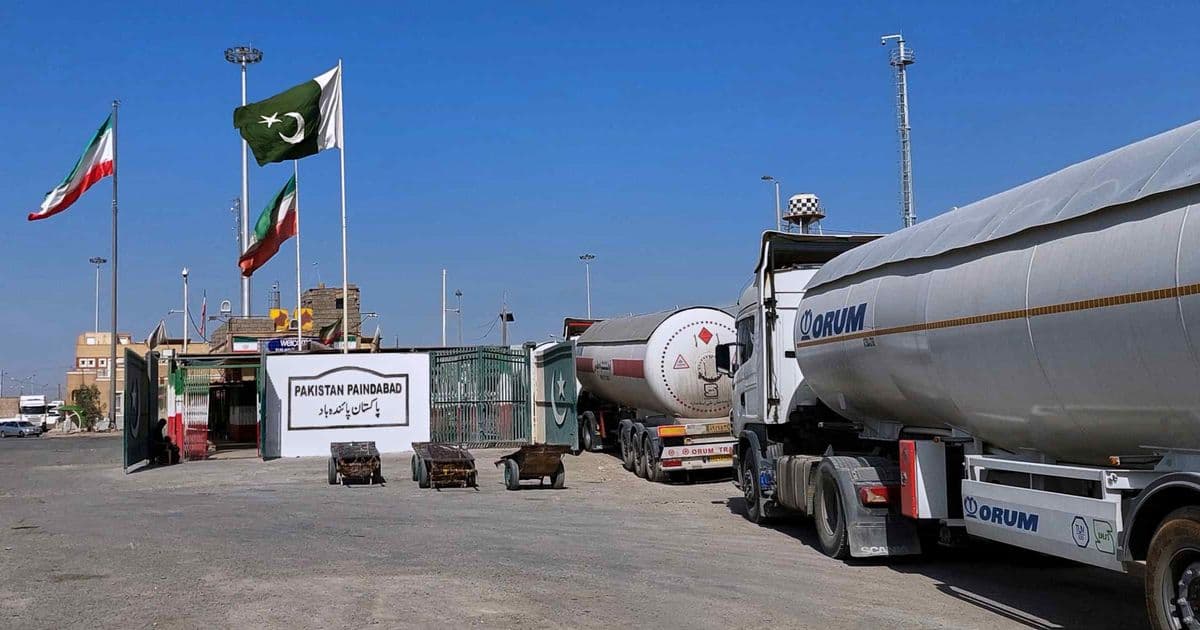
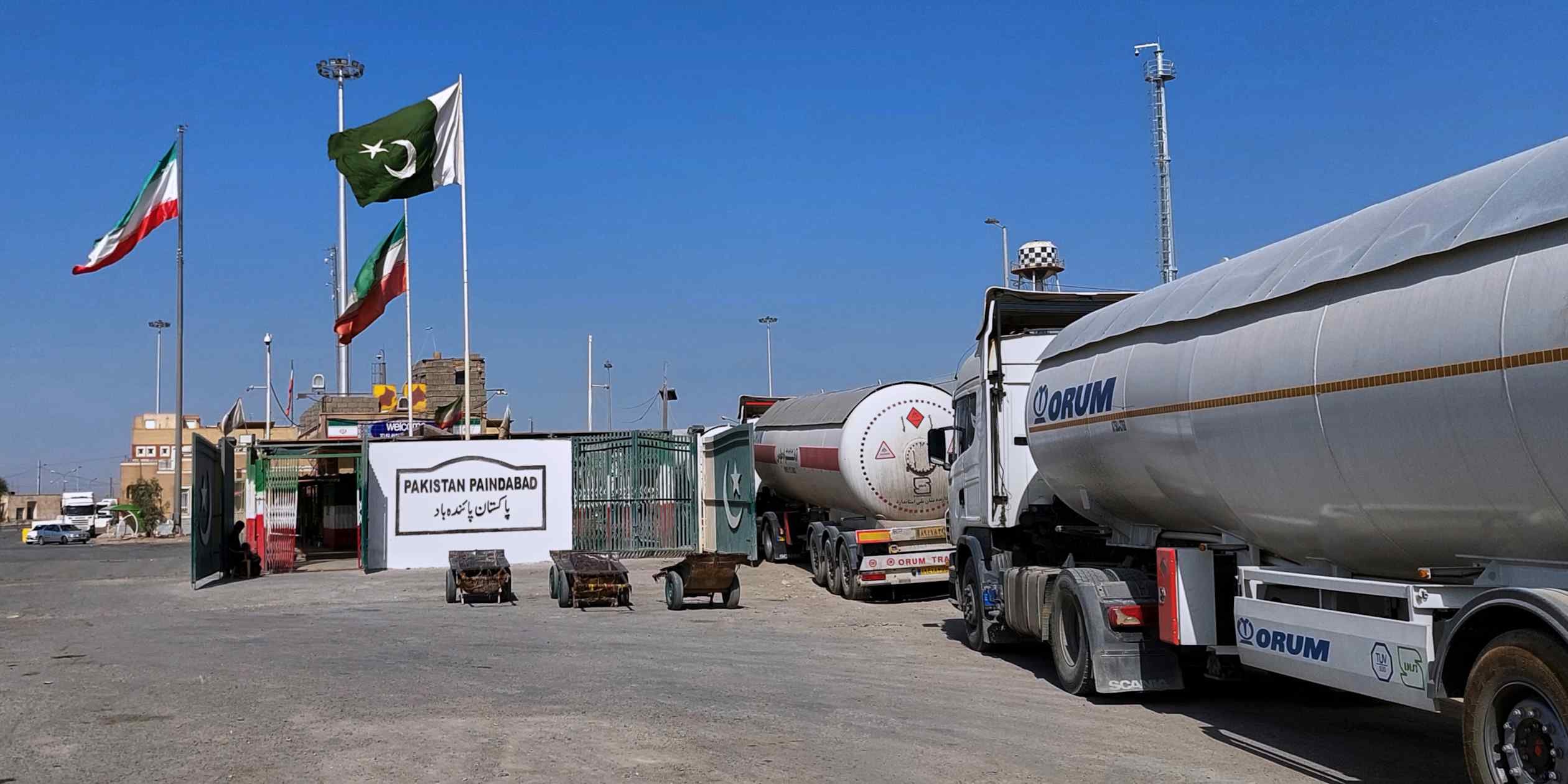
The timing of Pakistan's fee reductions coincides with increased maritime activity in the region. Oil tankers have been observed entering Iran through Taftan, a joint Pakistan-Iran border crossing, with data showing a 35% increase in cross-border trade volume since the onset of the U.S.-Iran conflict. This surge in trade has created an opportunity for Pakistan to position itself as a preferred transit route.
From a market perspective, Pakistan's strategy aligns with broader regional trade shifts. The World Bank estimates that Iran's trade volume could increase by 15-20% in the medium term as sanctions enforcement creates alternative trading networks. Pakistan's economy, which grew by 3.5% in the fiscal year 2025, could benefit significantly from increased transit fees, estimated at $500-700 million annually based on current traffic projections.
The strategic implications extend beyond immediate economic gains. By facilitating trade with Iran, Pakistan strengthens its position as a regional mediator and economic partner. This approach builds on Pakistan's previous diplomatic success in brokering a ceasefire between the U.S. and Iran, demonstrating its ability to navigate complex geopolitical relationships.
However, challenges remain. Security concerns in certain border regions, infrastructure limitations, and potential regulatory hurdles could impact the effectiveness of Pakistan's strategy. Additionally, competing routes through other regional ports may offer alternative transit options for international carriers.
The Pakistan-Iran transit trade initiative represents a calculated economic diversification strategy for Islamabad. As the region continues to adapt to shifting geopolitical realities, Pakistan's ability to leverage its infrastructure and geographical advantages could position it as a significant beneficiary of the evolving trade landscape in the Middle East and South Asia.
For more information on Pakistan's trade policies, interested parties can consult the Pakistan Trade Development Authority or the Gwadar Port Authority for updated fee structures and transit procedures.
Comments
Please log in or register to join the discussion