
Former President Trump's potential Beijing friendship summit could reshape US-China tech relations, impacting global markets and supply chains amid escalating trade tensions.
Former President Donald Trump's reported plans for a 'friendship summit' with Chinese leadership represents a significant pivot in US-China relations, with profound implications for global tech markets and business operations. The potential meeting, which would defy years of escalating tensions between the world's two largest economies, could signal a dramatic shift in trade policies affecting semiconductor companies, electric vehicle manufacturers, and tech giants dependent on Chinese supply chains.
The summit, if realized, would occur against a backdrop of increasingly restrictive trade measures imposed by both nations. The US has implemented export controls on advanced semiconductors and AI technologies, while China has responded with countermeasures targeting critical minerals and other strategic goods. These restrictions have cost US tech companies an estimated $100 billion in potential revenue since 2022, according to recent analyses from the Semiconductor Industry Association.
"A Trump-Xi meeting would create immediate market volatility," said Michael Hirson, practice head for China at Eurasia Group. "Tech investors would rapidly reassess positions based on any signals about potential policy reversals, particularly in areas like semiconductor access and market restrictions."
The potential summit comes as Chinese tech companies face mounting challenges in accessing US markets and technologies. Companies like Huawei, SMIC, and others have been added to various trade restriction lists, limiting their access to advanced chip manufacturing equipment and software. A renewed friendship could lead to negotiations over these restrictions, potentially creating new market opportunities for US tech firms while challenging China's domestic tech ambitions.
Tech industry observers note that any thaw in relations would likely be selective rather than comprehensive. "We're unlikely to see a complete reversal of export controls," noted Emily Jin, senior fellow at the Center for Strategic and International Studies. "Instead, we might see targeted relaxations in specific sectors where both countries find mutual benefit, such as clean energy technologies or certain medical applications."
The market implications extend beyond major corporations. Small and medium-sized tech businesses, which have struggled with navigating complex trade regulations and supply chain disruptions, could benefit from clearer policy directions. A more predictable regulatory environment might encourage reshoring of certain manufacturing operations while maintaining access to Chinese markets.
Investment patterns in the tech sector would likely shift dramatically in response to any positive developments from such a summit. Chinese venture capital firms, which have reduced US tech investments by 75% since 2021, might resume funding American startups, particularly in AI, biotech, and advanced materials. Similarly, US tech companies could accelerate plans to expand operations in China, particularly in consumer-facing technologies and digital services.
The potential summit also raises questions about the future of US tech policy toward China. A Trump administration would likely prioritize market access and business interests over national security concerns in certain sectors, potentially creating opportunities for companies in semiconductors, cloud computing, and electric vehicle technologies. However, this approach might face resistance from within the current administration and from national security advocates in Congress.
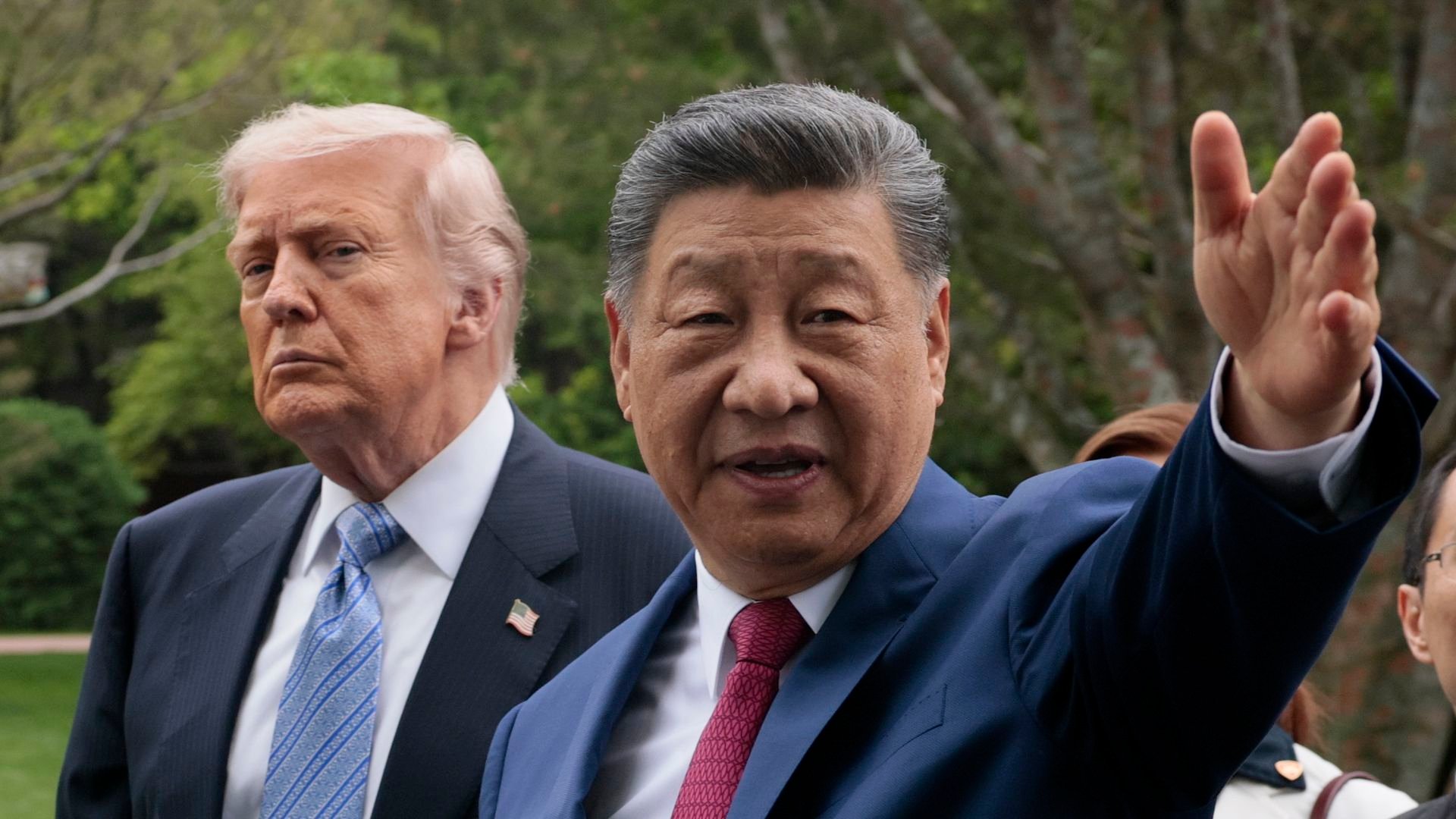
As tech companies navigate this evolving landscape, the ability to adapt to changing policy environments will be crucial. The potential Trump-Beijing friendship summit, regardless of its ultimate outcome, highlights the ongoing tension between economic interdependence and geopolitical competition that continues to shape the global tech industry.
Tech industry leaders will be watching closely for any signals that might indicate shifts in trade policies, investment restrictions, or market access. The coming weeks could bring significant developments that reshape the relationship between US and Chinese tech sectors, with implications for innovation, competition, and global technological leadership for years to come.
Comments
Please log in or register to join the discussion