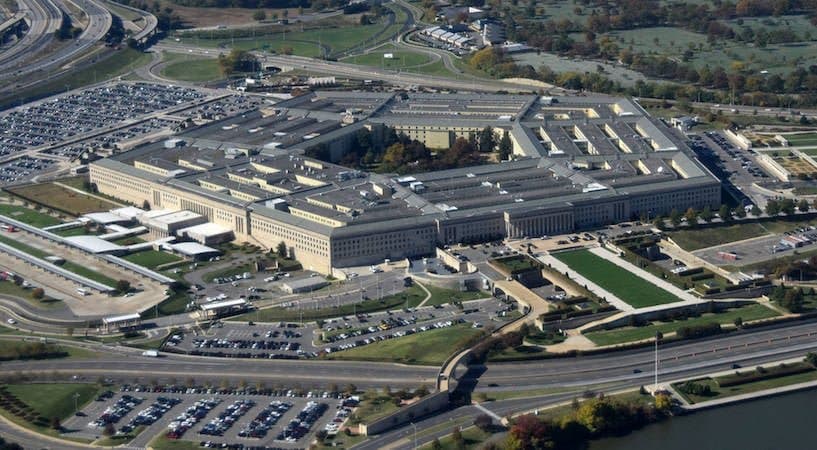
Department of Defense continues to view Anthropic as a supply chain risk while acknowledging limited evaluation of its Mythos cybersecurity model by other agencies.
The Pentagon has firmly maintained its stance of barring Anthropic from its systems, even as other government agencies show interest in the company's cybersecurity-focused AI model Mythos. Department of Defense Chief Technology Officer Emil Michael clarified in a CNBC interview that, despite recent rumors of a thaw in relations, Anthropic remains viewed as a national security risk that cannot be integrated into military networks.
"With Anthropic, they're a supply chain risk," Michael stated during the interview. "From a national security standpoint, you always have to look at those things." This position comes amid reports that some agencies have accessed Mythos for evaluation purposes rather than operational deployment, a distinction that the Pentagon emphasizes as crucial.
The ongoing tension between the Pentagon and Anthropic stems from what appears to be an acceptable use dispute that has not been publicly detailed. However, the government's approach reflects broader concerns about AI governance and national security that are increasingly shaping regulatory frameworks globally.
National Security Concerns and AI Governance
Michael's comments highlight the Pentagon's evaluation process for frontier AI models, which includes examining capabilities from both U.S. and Chinese companies. This approach aligns with the Biden administration's Executive Order on AI Safety and Security, which emphasizes the need to understand and mitigate risks associated with advanced AI systems.
From a legal perspective, the Pentagon's position reflects the intersection of national security interests and emerging AI regulations. While no specific laws have been cited in this case, the stance appears consistent with the Department of Defense's broader AI strategy, which prioritizes security and reliability in AI systems used for military purposes.
Impact on Anthropic and the AI Industry
The continued exclusion from the Pentagon represents a significant market limitation for Anthropic, particularly as government contracts become increasingly important for AI companies seeking to validate their technologies. The company's CEO, Dario Amodei, recently visited the White House, suggesting ongoing dialogue with policymakers despite the Pentagon's restrictions.
This situation creates a complex landscape for AI companies attempting to navigate national security concerns while maintaining commercial viability. The distinction between evaluation and operational deployment that the Pentagon emphasizes suggests a potential pathway for future adoption, but one that requires rigorous security vetting.
Broader Implications for AI Adoption
The Pentagon's approach reflects a growing trend of governments attempting to balance innovation with security concerns. The acknowledgment that "there's going to be others" similar to Mythos indicates the government recognizes the inevitability of advanced cybersecurity AI tools and is seeking to establish protocols for their responsible use.
Michael's comments about the government looking to "work with all of these companies in the coming year" suggest an evolving relationship with AI developers. This could eventually lead to clearer regulatory frameworks for AI in national security contexts, potentially establishing precedents that other countries might follow.
Future Outlook
The situation remains fluid, with several factors that could influence the Pentagon's position:
Evaluation Results: The outcomes of current Mythos evaluations by various agencies could inform future decisions about broader adoption.
Regulatory Developments: As AI governance frameworks continue to evolve, new guidelines might address specific concerns raised by the Pentagon.
Competitive Landscape: The emergence of alternative cybersecurity AI models, such as the mentioned ChatGPT 5.5-Cyber, could create competitive pressure that influences the Pentagon's approach.
Industry Collaboration: The planned White House meeting with AI leaders suggests ongoing dialogue that might eventually lead to mutually acceptable security protocols.
For now, the Pentagon maintains its position that Anthropic represents a supply chain risk, while acknowledging the value of evaluating advanced AI models like Mythos for cybersecurity purposes. This nuanced approach reflects the complex challenges governments face in harnessing AI's potential while addressing legitimate security concerns.
Comments
Please log in or register to join the discussion