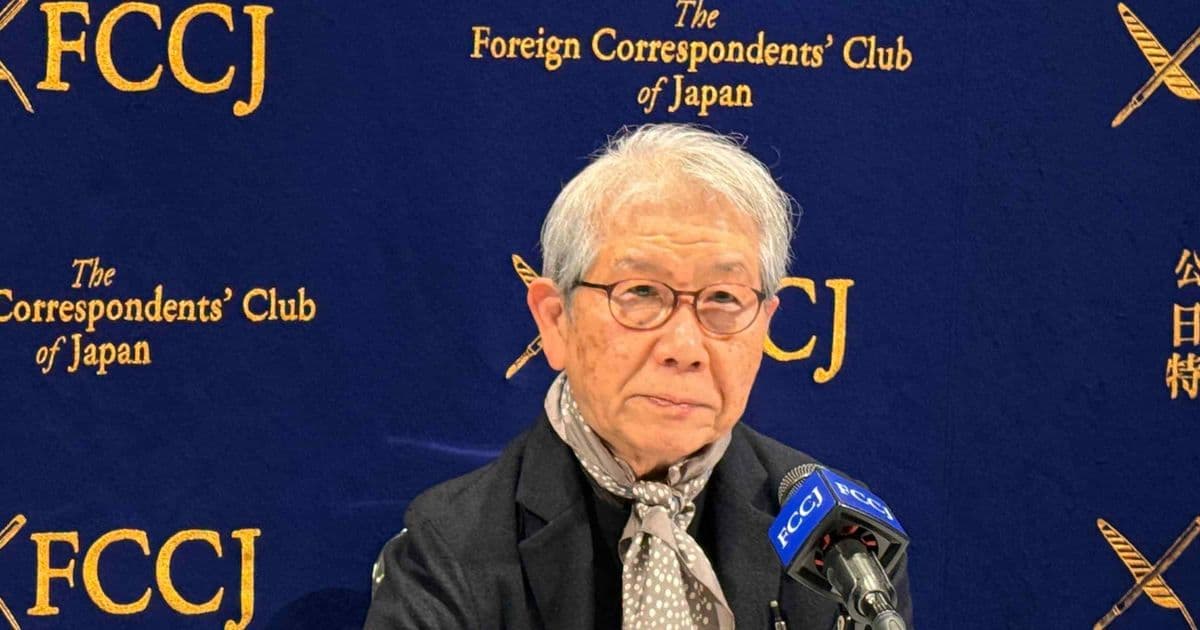
Architect Riken Yamamoto warns that Tokyo's megaprojects erode social fabric and risk creating obsolete buildings, calling current development approaches a fundamental failure.
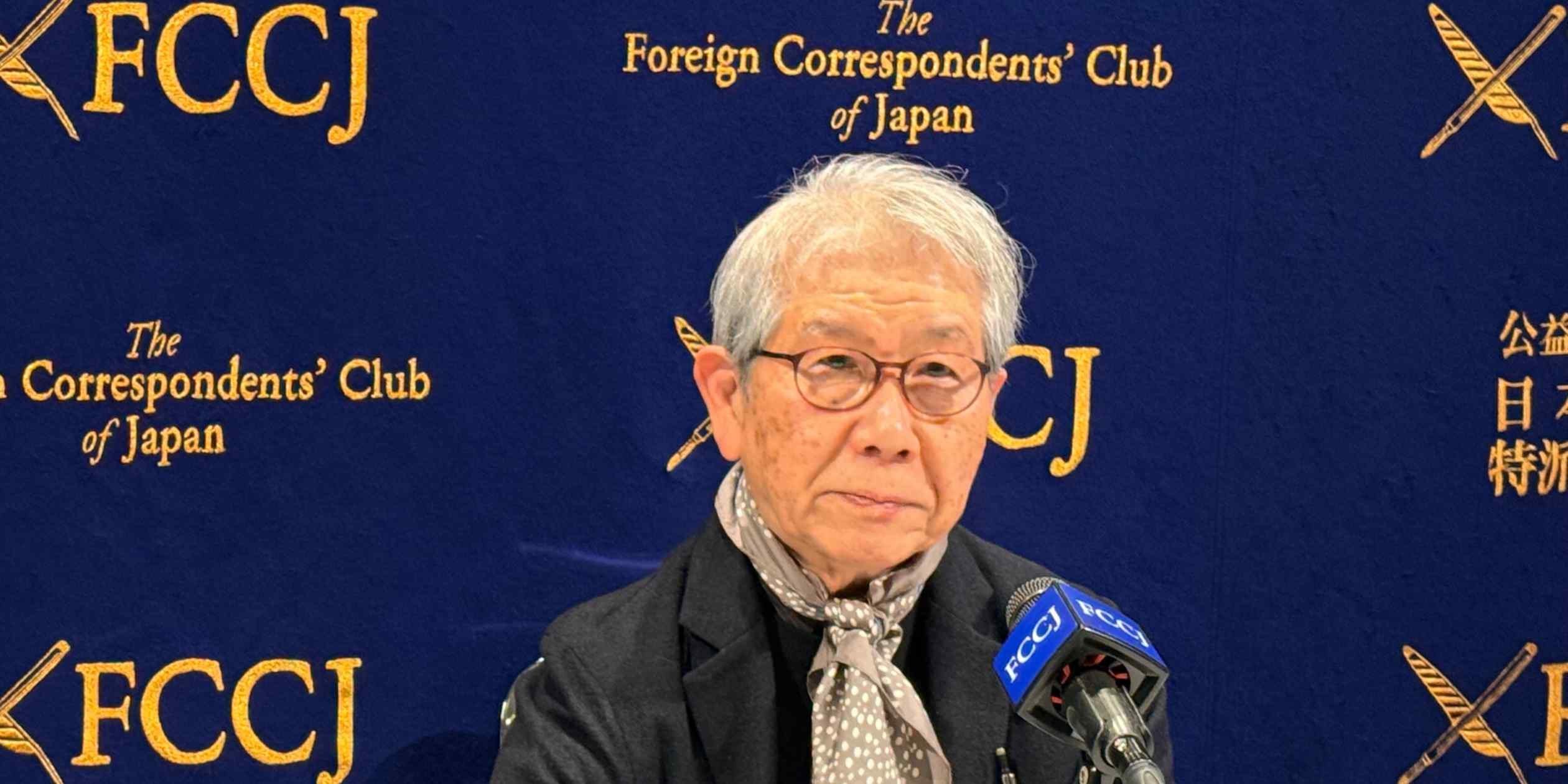
Pritzker Prize-winning architect Riken Yamamoto has delivered a scathing critique of Tokyo's urban development strategy, declaring the city's current construction boom a fundamental failure in urban planning. At a Tokyo press conference, the renowned architect argued that massive redevelopment projects prioritize commercial interests over human connections, ultimately eroding the community life that once defined Japan's capital.
Yamamoto specifically criticized projects like the ongoing Shibuya transformation, where entire neighborhoods are being demolished for mega-complexes. 'These developments aren't creating communities; they're creating real estate products,' he stated. 'When you replace organic neighborhood networks with monolithic structures, you destroy the casual interactions that bind people together.'
The architect warned that Tokyo risks repeating mistakes seen in 20th-century Western cities, where large-scale developments quickly became obsolete. 'We're constructing buildings with 50-year lifespans based on today's commercial demands without considering how communities actually live and evolve. In 30 years, we'll have enormous structures that no one wants, requiring wasteful demolition.'
Yamamoto's critique extends beyond aesthetics to social infrastructure. He noted that Tokyo's signature neighborhood networks – where residents traditionally knew local shopkeepers and interacted in shared public spaces – are being replaced by inward-facing complexes with privatized common areas. This shift fundamentally changes how citizens experience urban life.
As Japan prepares for major redevelopment projects ahead of the 2030 World Expo in Osaka, Yamamoto urged planners to consider human-scale design principles. He advocates for mixed-use developments that integrate public pathways, preserve existing community nodes, and create adaptable spaces that can evolve with neighborhood needs.
The architect's comments come amid growing concern about Tokyo's development trajectory. Recent projects like the Toranomon Hills complex and the ongoing transformation around Tokyo Station exemplify the trend toward massive, single-owner developments that dominate entire city blocks.
Urban researchers from the University of Tokyo support Yamamoto's assessment, noting that neighborhood-level social capital has measurably declined in areas undergoing massive redevelopment. Their studies show significant drops in local participation and informal social interaction following large-scale demolition and rebuilding.
Yamamoto concluded with a challenge to developers and policymakers: 'We must stop thinking about buildings as isolated profit centers and start designing neighborhoods that nurture human connections. Tokyo's future depends not on how tall we build, but on how well we build communities.'
Comments
Please log in or register to join the discussion