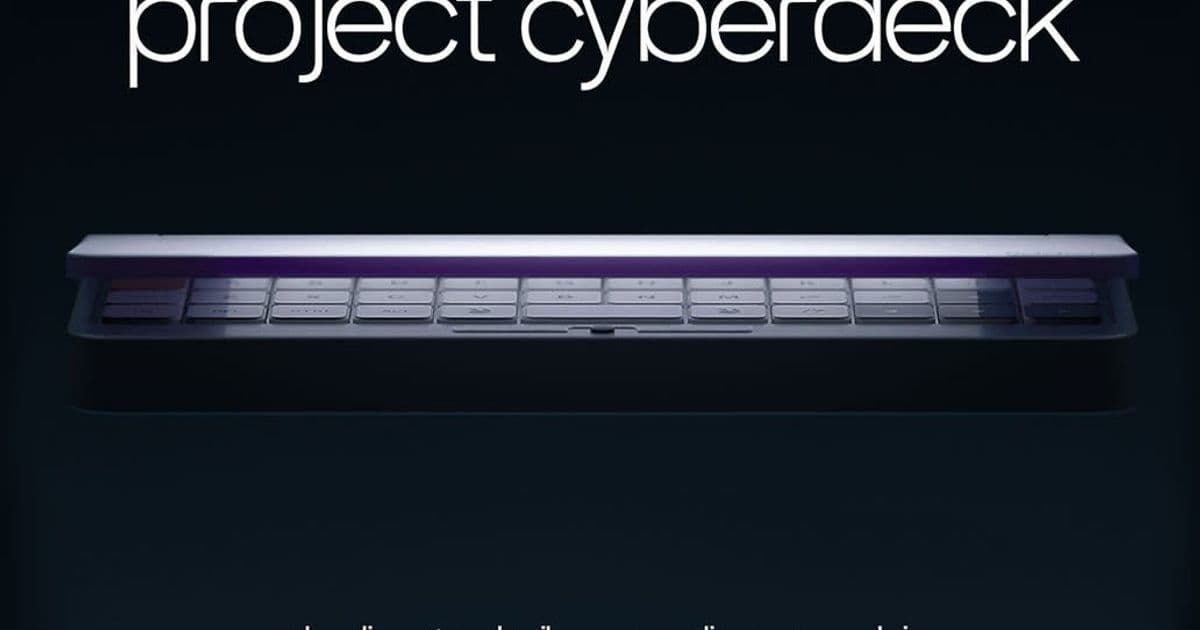
After the disappointing reception of its R1 handheld AI device, Rabbit is pivoting to Project CyberDeck, a low-spec mini-laptop designed specifically for developers who 'vibe code' with cloud-powered AI assistance.
The tech world has seen its share of ambitious AI hardware projects, but few have received as much criticism as Rabbit's R1. Launched in 2024 with its distinctive bright orange case and scroll wheel navigation, the handheld AI device failed to meet expectations, with reviewers panning its limited functionality and execution. Despite this setback, the company has continued iterating on its software, and now they're taking a completely different approach with Project CyberDeck, a new hardware device targeting developers rather than general consumers.
From Handheld Helper to Developer Workstation
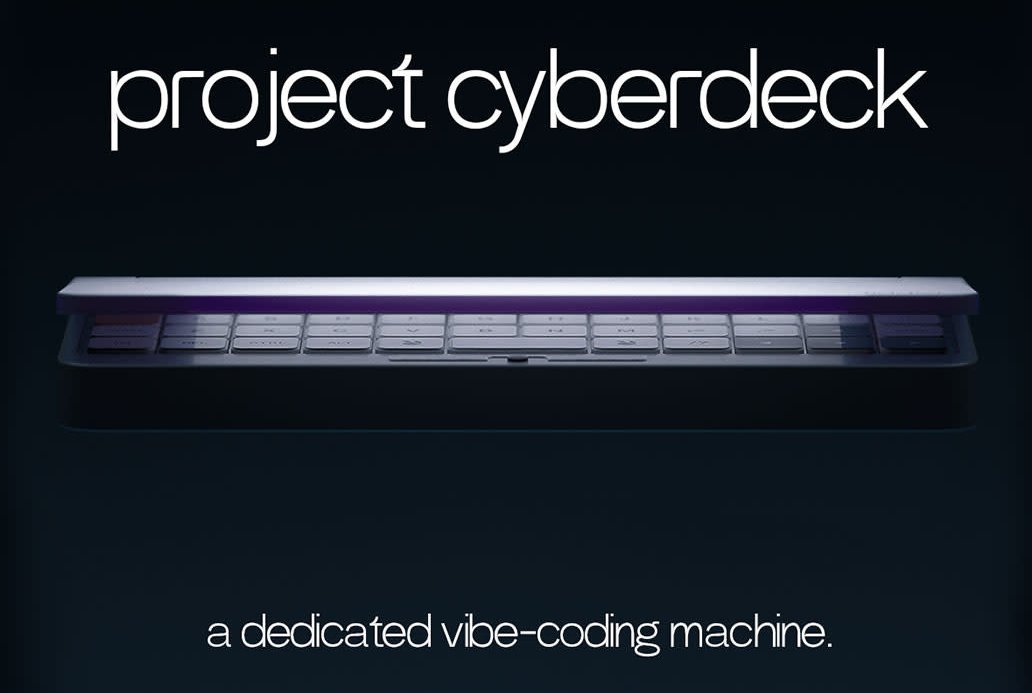
Project CyberDeck represents a significant departure from Rabbit's original vision. Instead of another portable AI assistant, this new device is essentially a low-spec mini-laptop that combines a high-quality keyboard and display with intentionally modest processing power. The reasoning behind this approach is straightforward: for developers who are increasingly relying on cloud services and AI assistants for coding, local processing power becomes less critical than input quality and display clarity.
"This thing is made for developers who are 'vibe coding' software while relying on powerful cloud computing for AI features," explains the concept. If you're outsourcing heavy computation to cloud services, you don't need a high-performance processor locally. What you do need is a comfortable keyboard and a good screen to interact with your development environment and AI coding assistants.
Technical Specifications and Design Philosophy
While Rabbit hasn't finalized the hardware specifications for Project CyberDeck, the company has outlined some key goals. The device will aim for Raspberry Pi 5-level performance, which is sufficient for running a lightweight development environment and terminal applications but not for heavy local compilation or machine learning tasks.
A notable feature is support for up to two external displays, allowing developers to create a more substantial workspace when needed. This flexibility acknowledges that while the CyberDeck is designed as a portable device, it can also serve as a component in a larger development setup.
The name "CyberDeck" draws inspiration from the portable computers that hobbyists have been building for years, often with retro-futuristic designs. However, as the article notes, the concept bears more resemblance to WriterDecks—distraction-free portable writing machines that typically feature little more than a keyboard, display, and minimalist software focused on the task at hand. In this case, the task is coding with AI assistance rather than writing prose.
The Rise of Cloud-First Development
Project CyberDeck arrives at a time when development practices are increasingly shifting toward cloud-based tools and AI assistance. Services like GitHub Copilot, Amazon CodeWhisperer, and other AI coding assistants are changing how developers write and think about code. These tools handle much of the boilerplate and suggest implementations, allowing developers to focus on higher-level design and problem-solving.
This trend aligns with the broader movement toward "thin client" computing, where local devices serve primarily as interfaces to more powerful remote resources. We've seen this pattern before with terminals connecting to mainframes, web browsers connecting to servers, and smartphones connecting to cloud services. Project CyberDeck represents the next iteration of this pattern, specifically tailored for software development.
Implications for Mobile and Cross-Platform Development
For mobile and cross-platform developers, Project CyberDeck could offer some interesting advantages. The ability to develop on a lightweight, portable device while leveraging cloud-based emulators, simulators, and testing infrastructure could streamline workflows. This approach might be particularly appealing for:
- Freelance developers who work from various locations
- Teams distributed across different time zones
- Developers who want to reduce their hardware footprint
- Organizations implementing bring-your-own-device policies
The device's focus on input quality rather than raw processing power also reflects how development tools are evolving. As AI handles more of the implementation details, the developer's role shifts more toward specification, review, and integration—tasks that benefit from a comfortable typing experience and clear visual feedback.
Challenges and Considerations
Despite its innovative approach, Project CyberDeck faces several challenges:
Market Positioning: It's unclear how Rabbit will position this device against existing options like Framework Laptop, Pinebook Pro, or even Raspberry Pi-based setups.
Software Ecosystem: The device will need a well-optimized development environment that takes advantage of cloud resources while providing a smooth offline experience when needed.
Battery Life: With cloud connectivity potentially being a constant drain, battery life could be a concern for developers working on the go.
Price Point: Given the modest specifications, the device will need to be competitively priced to attract developers who could opt for more powerful alternatives.
The Future of Development Hardware
Project CyberDeck is part of a broader conversation about how development hardware should evolve in the age of AI and cloud computing. As more development tasks move to the cloud, the role of the local machine changes from powerhouse to interface. This shift could lead to more specialized development devices that optimize for specific aspects of the development workflow.
We might see devices optimized for different programming paradigms or development styles. Just as writers have specialized tools like WriterDecks, developers could benefit from hardware tailored to their particular workflow and preferences.
For Rabbit, Project CyberDeck represents an opportunity to learn from the R1 experience and build something that addresses actual developer needs rather than chasing the latest tech hype. By focusing on the experience of coding with AI assistance rather than trying to cram all functionality into a single device, Rabbit might finally deliver on its promise of innovative hardware that enhances how we work.
As the development landscape continues to evolve with AI tools and cloud resources, devices like Project CyberDeck could point the way toward a more specialized, experience-focused approach to developer hardware—one that recognizes that the most important components of a development setup might just be the keyboard and the screen.
For more information about Rabbit's Project CyberDeck, you can follow the company's announcements through their official channels. The concept of cloud-first development continues to gain momentum, with many developers experimenting with various approaches to leverage remote resources while maintaining a comfortable local environment.
Comments
Please log in or register to join the discussion