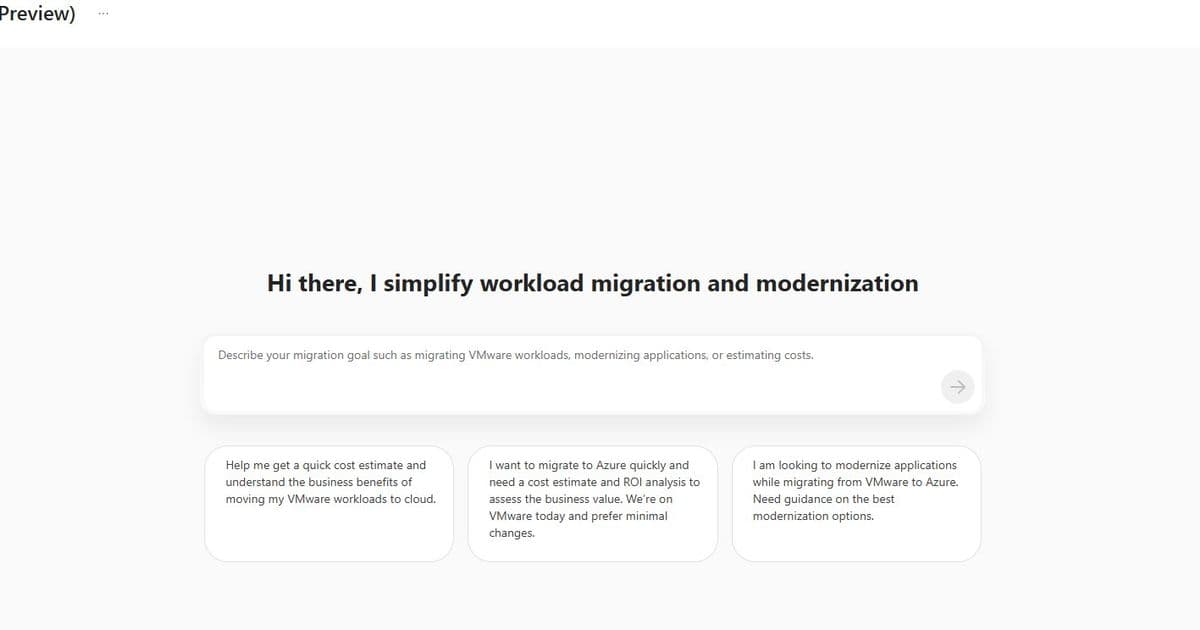
Microsoft's new Azure Copilot Migration Agent transforms cloud migration from a fragmented, manual process into an AI-guided journey, offering agentless discovery, automated foundation setup, and developer-centric modernization.
Migrating to the cloud has always been a complex undertaking, often bogged down by fragmented tools, manual planning, and the constant challenge of balancing speed with security. For many organizations, the process becomes a continuous cycle driven by shifting business demands, security pressures, and the need to innovate faster without disrupting existing operations. Microsoft's new Azure Copilot Migration Agent aims to change this narrative by introducing AI-driven guidance and acceleration throughout the migration and modernization journey.
Confidence Before You Move: Agentless Discovery and Quick Insights
The first hurdle in any migration project is gaining a clear understanding of the existing environment. Traditional discovery tools often require network changes or direct connectivity to Azure, which can slow down projects before they even begin. The Migration Agent addresses this challenge with agentless discovery of VMware environments, delivering comprehensive insights without the need for intrusive appliances or exposure of sensitive networks.
Complementing this is the Azure Migrate Collector, now in public preview, which supports inventory collection without requiring direct connectivity to Azure. Operating locally, the collector identifies servers, workloads, and performance metrics from the environment, packaging this data for import into Azure Migrate.
What sets this approach apart is the conversational analysis and categorization of discovered infrastructure, databases, and web applications. This makes it much easier to understand the overall estate and see how these elements function as business systems. Within hours, business leaders receive 6R recommendations (Rehost, Refactor, Revise, Rebuild, Replace, or Retire) based on real environmental data, enabling confident decisions. Right-sizing ensures Azure solutions match performance and budget needs, while modernization recommendations identify opportunities for cloud-native optimization.
Execution at Scale: Speed with Governance Built In
Clear insights are only valuable if they lead to successful execution. One of the biggest migration blockers is building a secure, compliant Azure foundation. The Migration Agent accelerates this by automating platform landing zone creation, aligned with Microsoft's Cloud Adoption Framework and other best practices. It configures networking, identity, policies, and resources.
Using the Migration Agent, the generated templates can be understood for otherwise overwhelming concepts and edited for custom requirements. Structured wave plans allow prioritized sequencing of workloads and applications, ensuring predictable execution with progress tracking and rollback capabilities. The agent coordinates handoffs between infrastructure, database, application, and security teams, keeping humans involved throughout the process.
Modernization Without Handoffs: Secure Flow to Developers
Through the Migration Agent, Azure Migrate securely invokes relevant tools at the right juncture, including GitHub Copilot for application modernization. Developers can plan upgrades conversationally, generate code, and automate routine modernization tasks across .NET, Java, and cloud-native workloads without breaking the flow between assessment and execution.
Integrations with tools like CAST Highlight provide deeper analytics to target the right refactors and reduce modernization risk. Instead of a one-time migration event, modernization becomes a continuous, developer-centered loop, compressing timelines while improving application quality.
Getting Started
The Azure Copilot Migration Agent and Azure Migrate Collector are now publicly available. Organizations can start using them to simplify and guide their migration process. For more information about Azure Migrate and expert migration help, Microsoft offers Azure Accelerate.
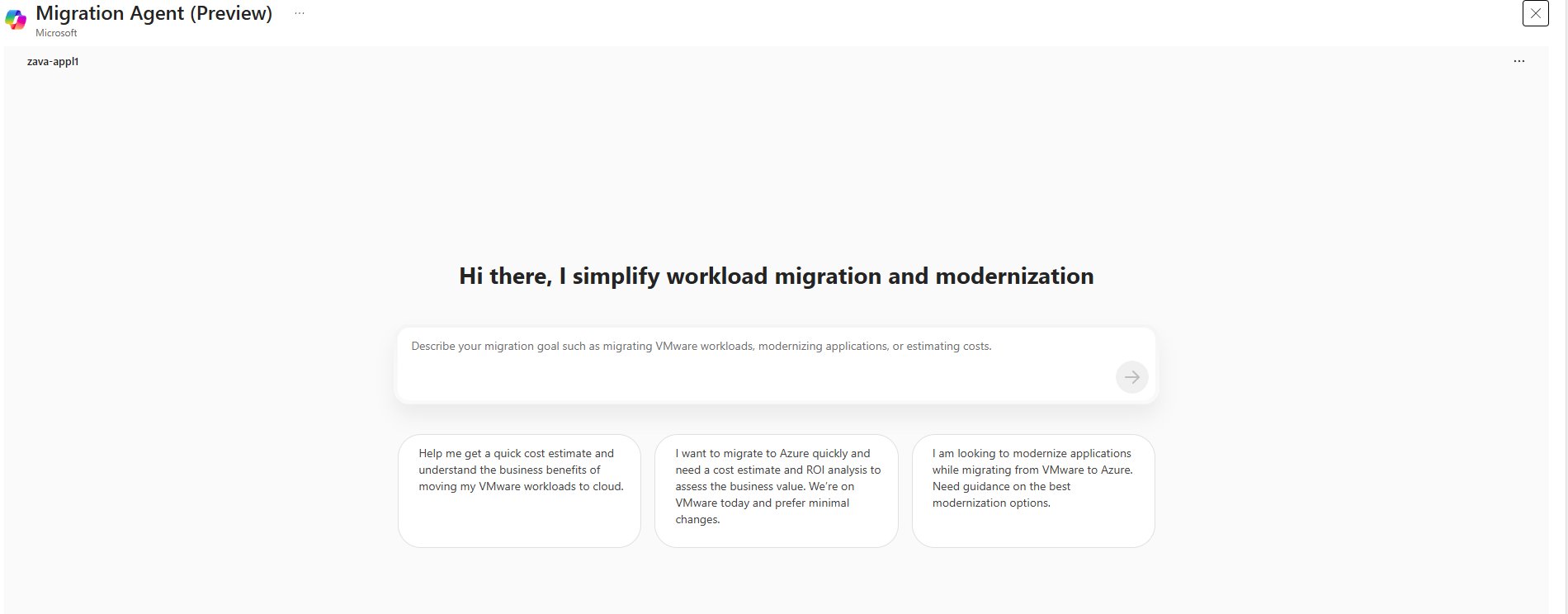
This new approach represents a significant shift in how organizations can approach cloud migration and modernization. By combining AI-driven insights with automated governance and developer-centric tools, Microsoft is addressing the traditional pain points that have made cloud migration a daunting prospect for many enterprises. The result is a more streamlined, confident, and continuous modernization journey that aligns with the pace of modern business demands.
Comments
Please log in or register to join the discussion