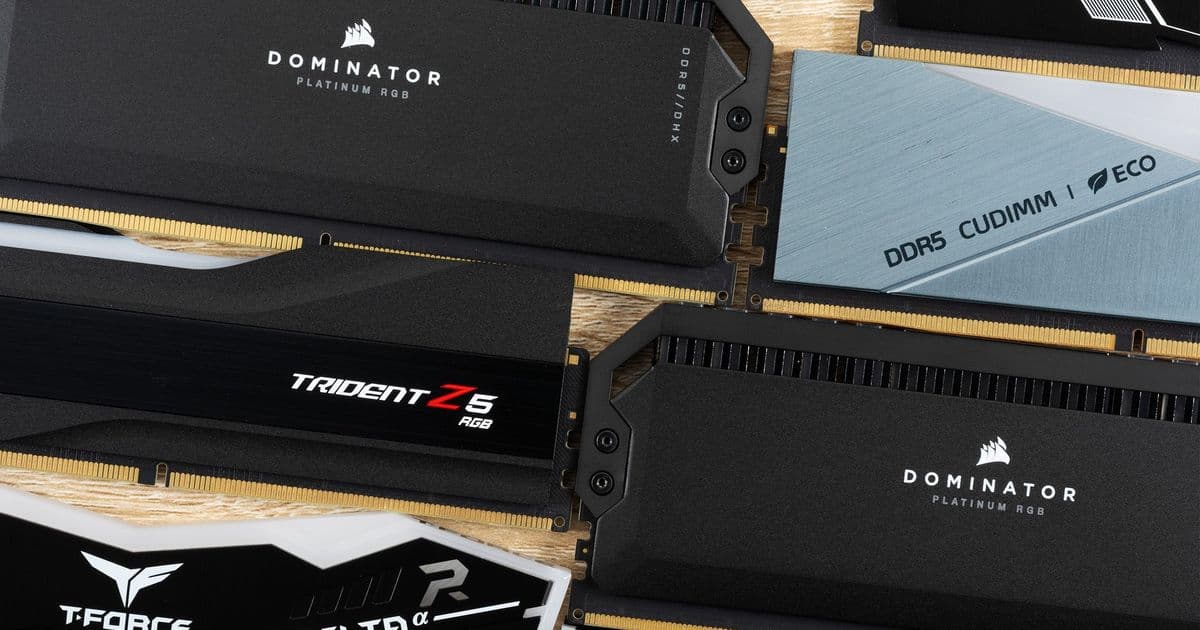
As the AI industry continues to consume nearly all available memory chips from major suppliers, consumers face a dramatic price increase in RAM modules. Industry analysts predict that current 'discounts' are merely temporary measures to clear old inventory before prices climb significantly.
The global memory market is facing unprecedented pressure as RAM prices are projected to double by the end of 2026, according to Chris Xia, Regional Manager for Australia & New Zealand at Lexar. The current stabilization and occasional discounts observed in the market represent temporary measures by distributors to clear old inventory before new, significantly higher-priced stock arrives.
The Memory Supply Crisis
The current crisis stems from the unprecedented demand for high-bandwidth memory (HBM) driven by the AI industry's expansion. The three major memory manufacturers—Samsung, SK hynix, and Micron—are allocating nearly all their production capacity to HBM chips required for AI accelerators and data centers. This shift has created a severe supply shortage for traditional DRAM used in consumer devices.
"The current AI build-out is siphoning all the memory chips available from the traditional big three suppliers, with nearly all production capacity getting allocated towards high-bandwidth memory," explained Xia. "Consumers are getting left behind, and as supplies dry up, their prices continue to go up."
Market Dynamics and Pricing Patterns
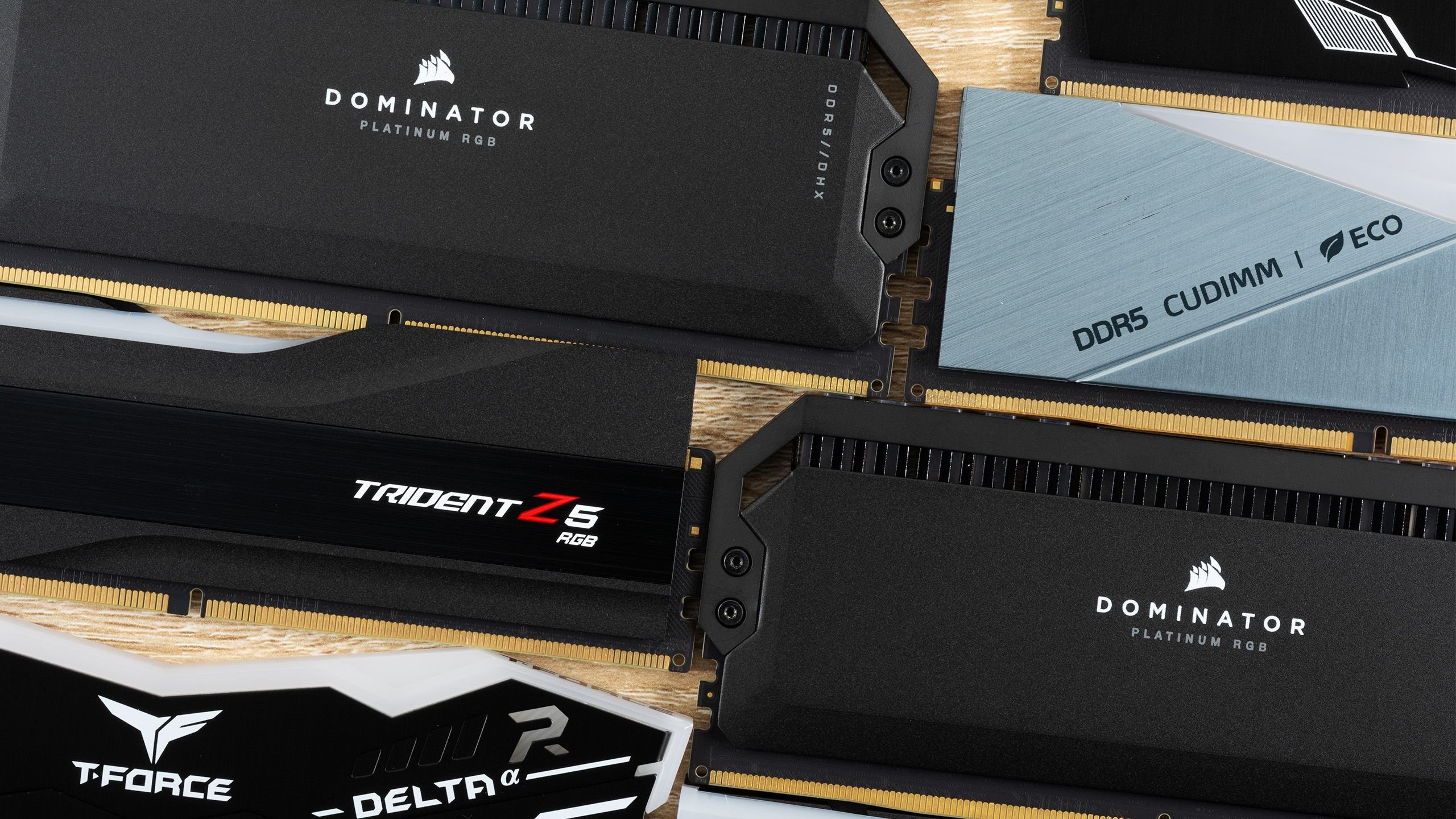
The memory industry operates on a delayed pricing mechanism, where wholesale cost changes typically take 8-9 months to reach consumer prices. This lag explains why the current market is still reflecting older pricing structures even as production costs have risen significantly.
Consumers who observe occasional discounts or bundled deals are witnessing retailers' efforts to liquidate existing inventory. "Some consumers get hope when they see RAM kits getting discounts or retailers lowering the list prices of these items, but Chris said that these are often the result of sellers trying to get rid of old inventory," the article notes. "They do this so that they can get some liquidity back and to make way for new stocks coming in from suppliers, usually at a higher price."
Another factor contributing to temporary price reductions is regional sourcing. "Some distributors manage to get their hands on unsold inventory from other regions that are still priced lower compared to what's arriving now," Xia explained. "Because of this, they're able to sell at a lower price—but only until supplies last."
Industry Predictions vs. Reality
Earlier predictions suggested that DRAM prices might stabilize within 6-8 months, albeit at higher levels. Sapphire PR manager Edward Crisler stated this outlook in December 2025. However, market conditions have evolved rapidly, with industry insiders now expecting prices to continue rising through the end of the year.
Segment-Specific Impacts
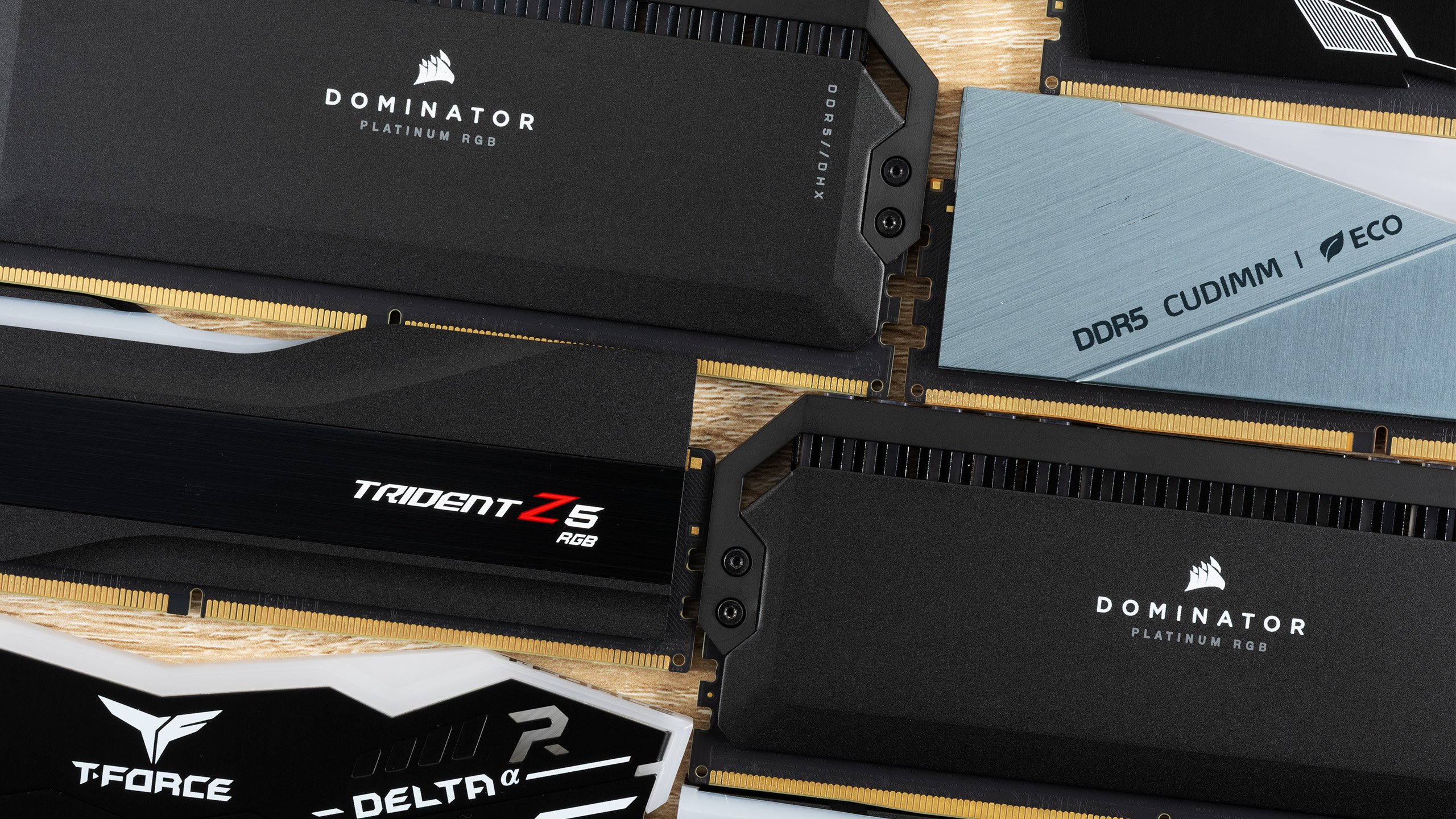
The memory shortage is affecting different market segments in various ways:
Desktop and Laptop Market: Shipments are expected to contract by more than 10% as higher RAM costs make complete systems less affordable.
Motherboard Market: Already experiencing a collapse of over 25% in sales, as enthusiasts reconsider building new systems when memory and SSD prices increase.
Smartphone Industry: Devices will either become more expensive or feature reduced memory capacity and slower performance to manage costs.
Specialized Devices: Companies like GoPro are facing significant challenges due to memory chip shortages and declining sales, potentially impacting their product roadmap and innovation capabilities.
Production Constraints and Technical Challenges
The shift to HBM production involves significant technical differences compared to traditional DRAM manufacturing. HBM chips require advanced packaging technologies, such as TSV (Through-Silicon Via) and advanced stacking techniques, which have lower yields and higher production costs.
Memory manufacturers are investing heavily in expanding HBM capacity, but these facilities require substantial capital expenditure and time to become operational. Samsung recently announced plans to invest over $15 billion in memory expansion, with a significant portion allocated to HBM production. SK hynix has similarly committed to expanding its HBM output, though both companies face challenges in scaling production quickly enough to meet demand.
Consumer Recommendations
Given the market outlook, Xia offers direct advice to consumers: "If you need to buy RAM, you should buy it now. Don't wait for lower prices as they won't arrive for years to come."
This recommendation aligns with historical memory market patterns, which typically experience 1-2 year cycles of price increases before stabilization. However, the current AI-driven demand surge has disrupted these traditional cycles, creating an extended period of price escalation.
Long-Term Market Implications
The current memory market shift represents a fundamental realignment of production priorities. As AI becomes increasingly integrated into various industries, the demand for high-performance memory will likely remain elevated, potentially leading to a permanent reallocation of production capacity away from consumer-grade memory.
This transition may accelerate the development of alternative memory technologies and potentially encourage innovation in memory efficiency rather than单纯 capacity increases. Companies that can optimize memory usage or develop more cost-effective solutions may gain competitive advantages in the coming years.
For consumers and businesses, the current memory market conditions highlight the importance of strategic procurement planning and potentially exploring alternative hardware configurations that can maintain performance while managing memory costs.

The memory industry's current trajectory suggests that the price increases observed in 2026 may represent the beginning of a new pricing paradigm rather than a temporary fluctuation. As the AI industry continues its expansion, the balance between memory supply and demand may not return to previous equilibrium levels for several years, if at all.
Comments
Please log in or register to join the discussion