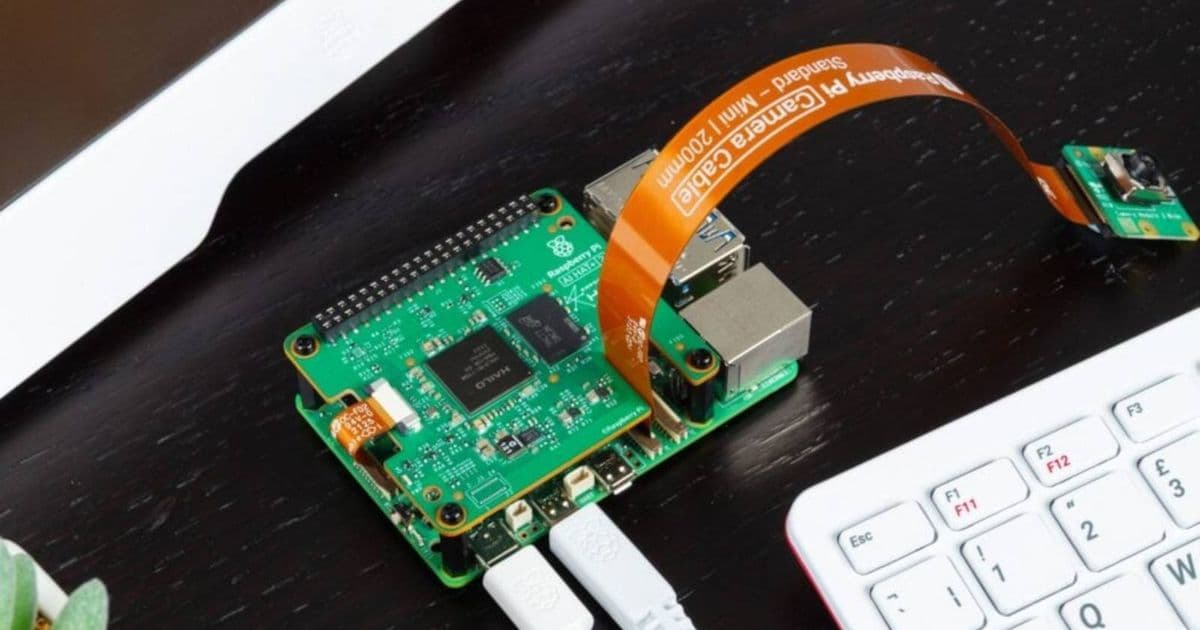
The Raspberry Pi Foundation's new $120 AI accelerator HAT enables offline LLM execution and complex AI workloads on Pi boards with 40 TOPS neural processing.
The Raspberry Pi Foundation has launched the Raspberry Pi AI HAT+ 2, a hardware add-on designed to significantly boost AI processing capabilities on Raspberry Pi single-board computers. Available now for $120, this official accessory adds a dedicated neural processing unit (NPU) capable of 40 trillion operations per second (TOPS) to compatible Pi boards.
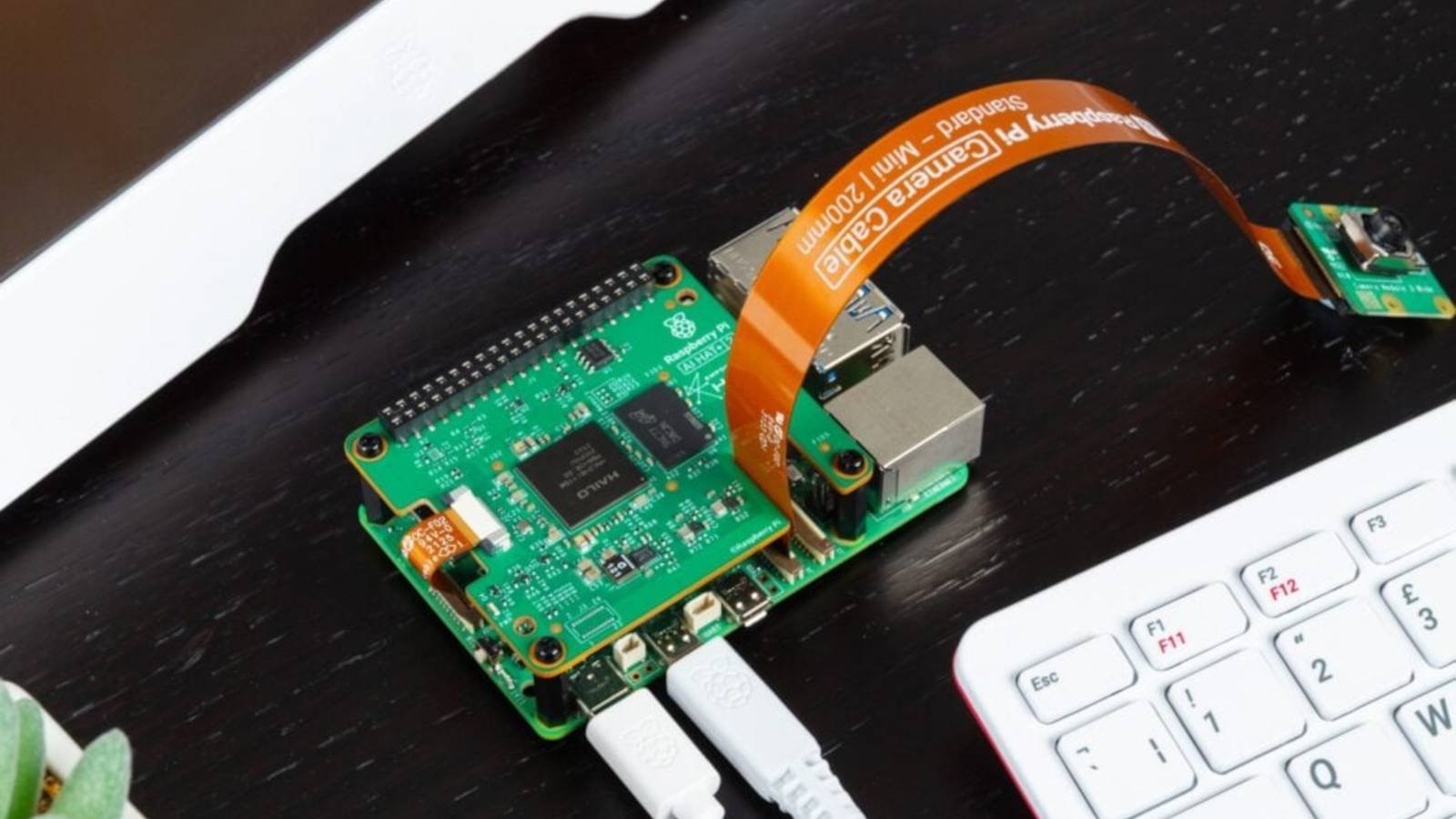
Compared to the previous Raspberry Pi AI kit's 13 TOPS NPU, this represents a 207% performance increase. For context, Microsoft's requirement for "AI PC" certification is 50 TOPS, placing the Pi ecosystem remarkably close to desktop-class AI acceleration territory. This enhancement allows developers to run demanding AI workloads locally without cloud dependencies.
The primary developer impact centers on offline AI execution. With the HAT+ 2 attached, Raspberry Pi boards can now efficiently run large language models (LLMs) and other AI models without internet connectivity. This enables applications like:
- Local voice assistants with natural language processing
- Real-time computer vision systems
- On-device machine learning inference
- Privacy-sensitive AI deployments
The Foundation provides comprehensive documentation and practical examples to accelerate development, including a demo implementation of the Qwen2 LLM. These resources demonstrate how to interface with the NPU via standard AI frameworks like TensorFlow Lite.
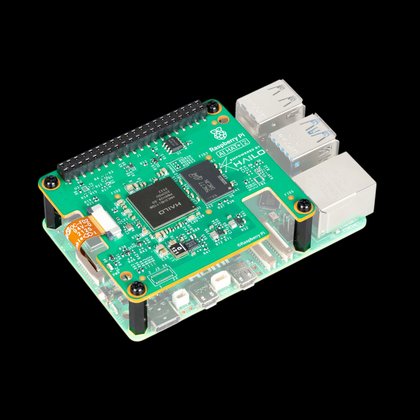
Technical specifications confirm compatibility with Raspberry Pi 5 boards using a dedicated PCIe connector. Installation involves physically mounting the HAT and configuring the Raspberry Pi OS via provided scripts. Early testing shows the hardware can run 7B parameter LLMs at usable speeds, though performance varies by model complexity.
Developers can purchase the AI HAT+ 2 directly from Raspberry Pi-approved retailers like The Pi Shop. The $120 price includes the HAT hardware, thermal solution, and access to all software resources. This positions the solution as a cost-effective alternative to cloud-based AI services for edge computing projects.
For implementation guidance, refer to the official Raspberry Pi AI documentation and HAT+ 2 product page.
Comments
Please log in or register to join the discussion