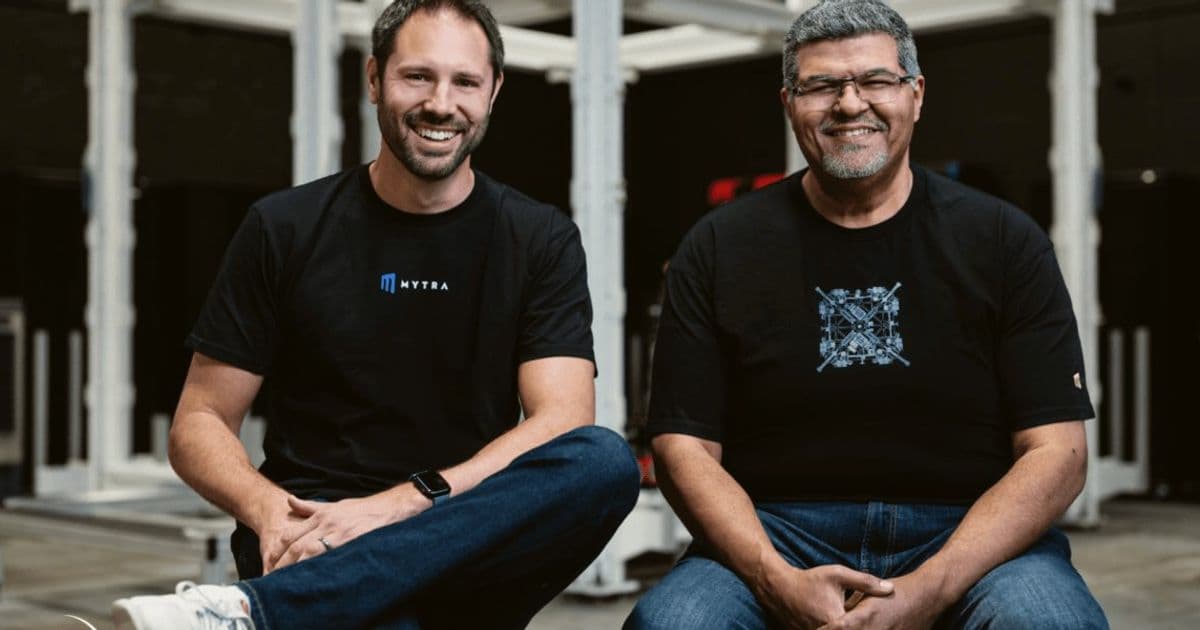
Mytra's $120M Series C highlights growing investor confidence in physical automation, while AI infrastructure and semiconductor companies show record growth despite emerging economic and ethical concerns.
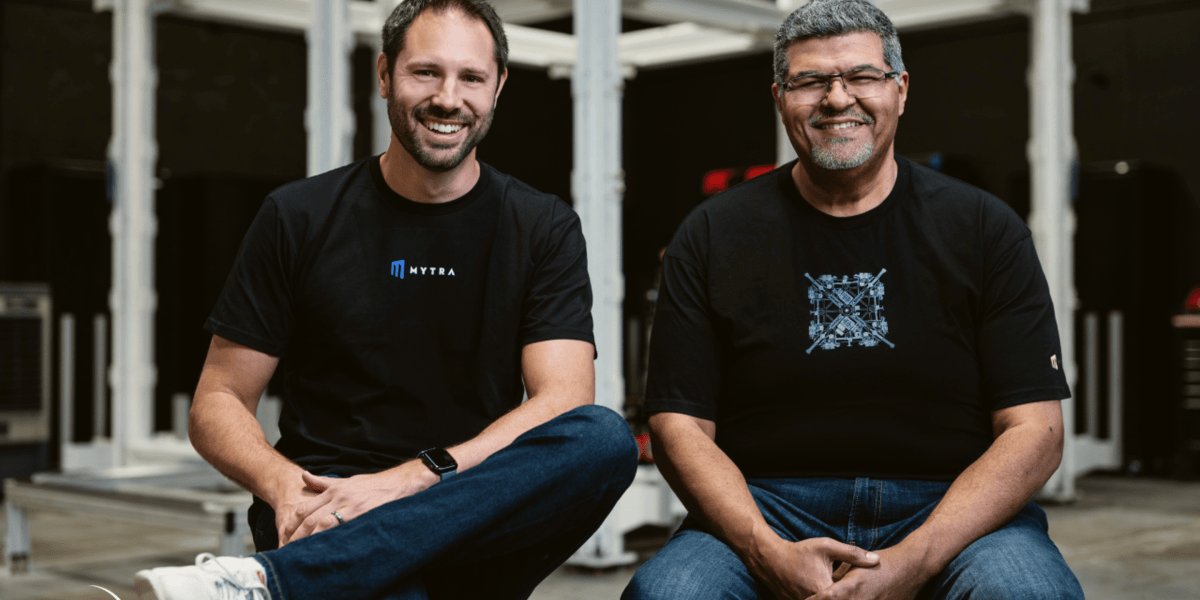
The robotics automation sector shows no signs of slowing as warehouse logistics startup Mytra secured $120 million in Series C funding led by Avenir Growth Capital. This investment comes amid a flurry of capital flowing into AI-adjacent hardware companies, signaling investor confidence in physical automation despite broader economic uncertainties.
Mytra's autonomous robots represent a practical application of AI in industrial settings. Unlike smaller warehouse robots, Mytra's systems are engineered to move payloads up to 3,000 pounds – equivalent to a mid-sized car – through complex warehouse environments without human intervention. This capability addresses critical labor shortages and throughput limitations in logistics operations. Former Tesla Optimus engineering lead Chris Walti co-founded the company, bringing expertise from developing humanoid robotics to industrial-scale applications.
This funding round arrives alongside several other significant investments in AI infrastructure companies:
- Merge Labs raised $252 million for brain-computer interface technology
- Equal1 secured $60 million for quantum computing servers
- WitnessAI obtained $58 million for AI governance platforms
These parallel investments suggest a broader pattern: venture capital is flowing toward companies bridging AI software capabilities with physical hardware applications. The trend coincides with record semiconductor industry performance, with TSMC announcing 35% year-over-year profit growth reaching $16 billion in Q4 2025. The chipmaker projects up to $56 billion in 2026 capital expenditures – a 25% increase from 2025 – to meet exploding demand for AI processors.
However, several counter-trends complicate this optimistic investment landscape. Anthropic researchers warn that AI adoption may widen economic disparities between nations, with wealthier countries capturing disproportionate productivity gains. Meanwhile, regulatory pressures mount as the U.S. imposes new restrictions on AI chip exports and X (formerly Twitter) implements geoblocks and content filters for its Grok AI system following controversies.
Implementation challenges also persist. Warehouse robots like Mytra's require significant facility retrofitting and face complex navigation issues in dynamic environments. Semiconductor expansion faces physical constraints too – Amazon Web Services signed a $250 million deal with Rio Tinto for copper essential to data center construction, highlighting material bottlenecks in AI infrastructure scaling.
The funding surge comes as established tech companies deepen AI integrations. Apple reportedly pays Google billions annually for Gemini AI integration in iOS, while Wikimedia Enterprise added Microsoft, Meta, Amazon, Perplexity and Mistral as API partners. These partnerships suggest that while startups attract venture funding, incumbents are racing to embed AI capabilities into existing platforms.
As capital floods into robotics and AI infrastructure, the critical question becomes whether these investments can overcome scaling challenges and regulatory hurdles to deliver on their productivity promises. With TSMC planning near-30% revenue growth in 2026 and autonomous robotics companies securing nine-figure rounds, investors appear confident – but the path to widespread adoption remains fraught with both technical and socioeconomic obstacles.
Comments
Please log in or register to join the discussion