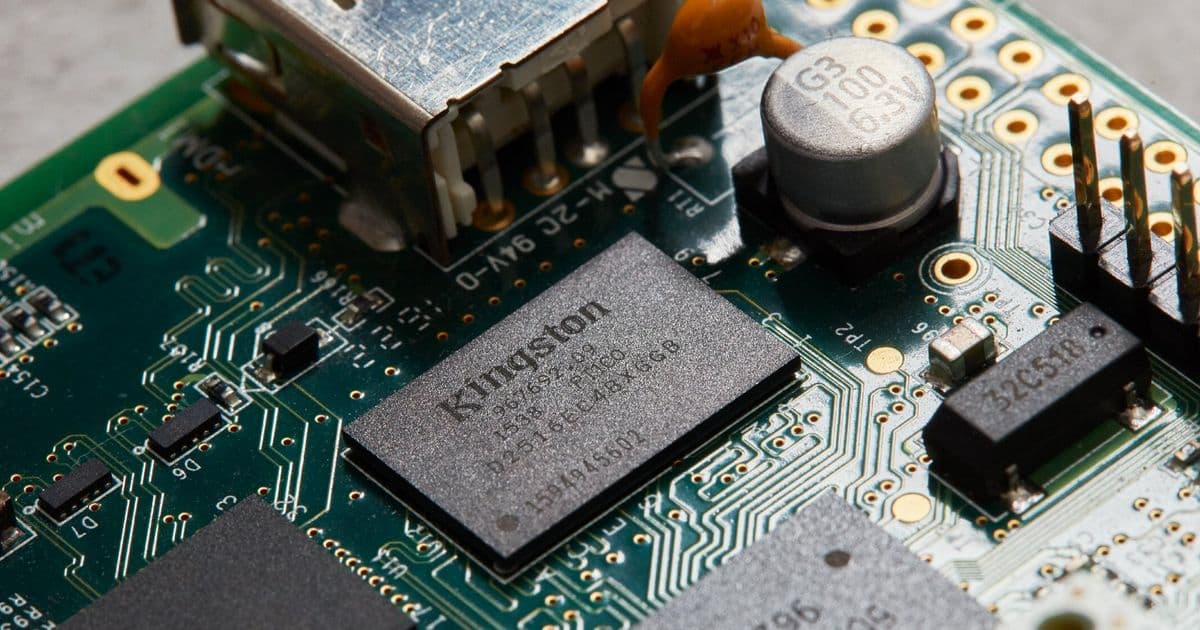
Gartner predicts the $500-and-under laptop segment will vanish within two years as DRAM prices consume an unsustainable share of manufacturing costs, forcing consumers toward premium devices and longer upgrade cycles.
The entry-level PC market is on the brink of extinction, with Gartner projecting that laptops priced under $500 will disappear from shelves within two years as memory costs reach unsustainable levels. The shift represents a fundamental restructuring of the consumer PC landscape, driven by component inflation that's squeezing margins at the low end of the market.
DRAM prices have emerged as the primary culprit, with Gartner estimating that memory costs will climb from 16% to 23% of a PC's total bill of materials this year. This 7 percentage point increase may seem modest, but it's large enough to eliminate vendors' ability to absorb costs on low-margin products. At that ratio, entry-level laptops become financially unviable, forcing manufacturers to abandon the segment entirely.
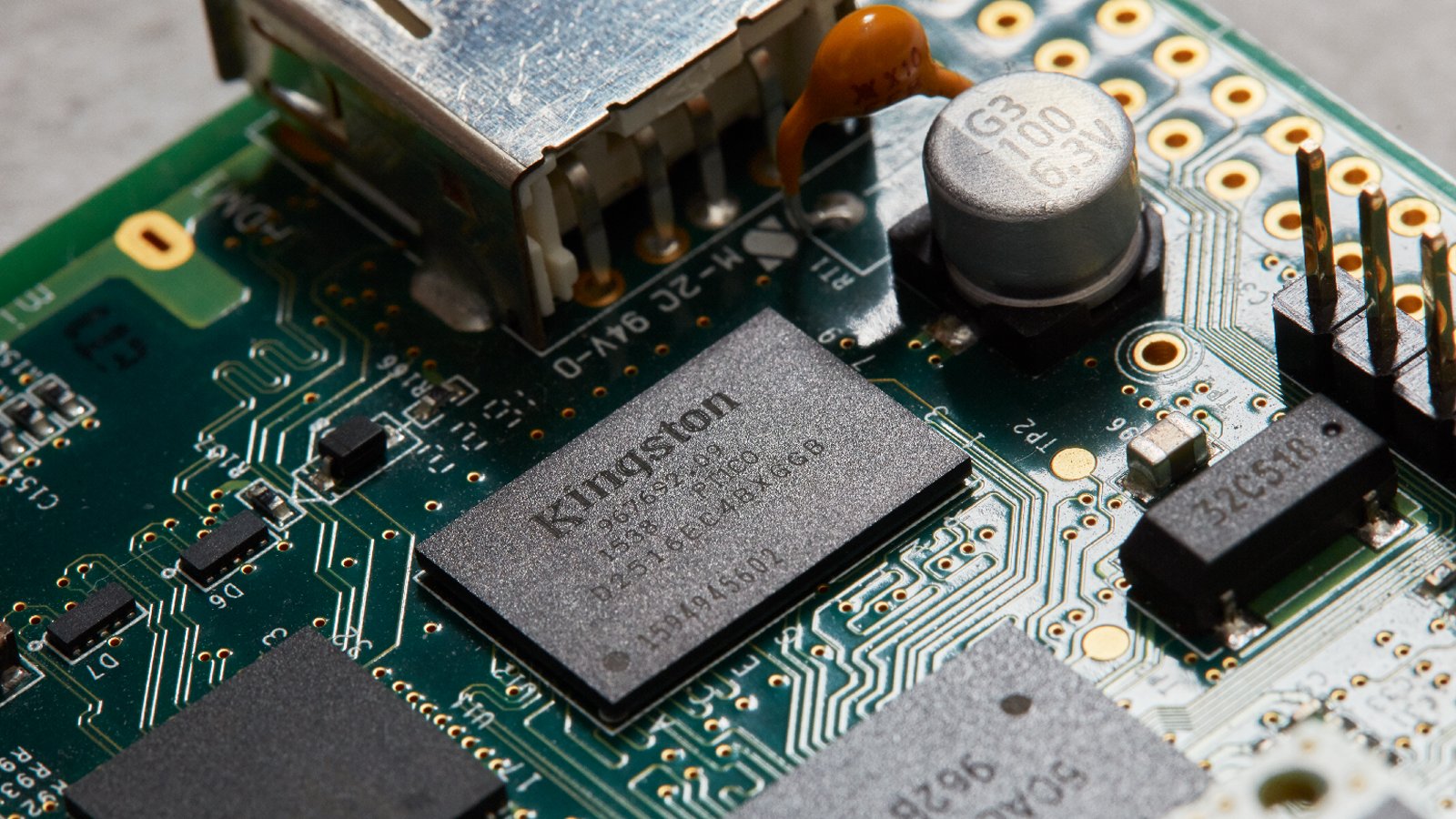
The impact extends beyond just pricing. AI PCs, which require more onboard memory to run local inference workloads, face particular exposure to DRAM cost increases. Gartner previously projected AI PCs would reach 50% market penetration before the end of the decade, but rising memory prices on premium-tier hardware will push that milestone back to 2028. This delay compounds the market disruption, as manufacturers must balance AI capabilities against cost constraints.
Longer upgrade cycles will follow directly from higher prices. Gartner predicts PC lifetimes will extend by 15% for business buyers and 20% for consumers by the end of 2026. This trend raises immediate concerns about security vulnerabilities on aging hardware, as devices remain in service longer without receiving critical updates and patches.
For the PC market, demand will increasingly concentrate at the top end, where vendors carry enough margin to absorb component inflation without destroying profitability. Gartner's advice to manufacturers is stark: accept unit volume decline rather than cut prices to chase budget buyers. The firm warns that device vendors and channels face a critical window in the first half of 2026 to optimize pricing and protect margins before component inflation compresses profitability from the second quarter onwards.
The smartphone market faces similar pressures, with shipments projected to fall 8.4% this year. Gartner estimates basic smartphone buyers will exit the market five times faster than premium buyers in 2026 as rising costs push consumers toward refurbished or second-hand alternatives. This parallel trend suggests the memory cost crisis affects the entire mobile computing ecosystem, not just traditional PCs.
The market restructuring creates a two-tier future where premium devices dominate new sales while budget-conscious consumers rely increasingly on the secondary market. This shift could accelerate the adoption of refurbished equipment and create new opportunities for certified pre-owned programs, but it also risks leaving some consumers without access to modern computing capabilities.
Component manufacturers face their own challenges as they balance capacity investments against uncertain demand. The memory market's cyclical nature means today's shortages could become tomorrow's oversupply, creating additional volatility for PC manufacturers trying to plan production cycles and pricing strategies.
For consumers, the disappearance of entry-level PCs means fewer choices and higher costs for basic computing needs. Students, families on tight budgets, and small businesses that relied on affordable hardware will need to either stretch their budgets or seek alternatives in the used market. The shift could widen the digital divide, particularly in education and small business sectors where cost constraints are most acute.
The timeline is particularly concerning for educational institutions and organizations that refresh hardware on predictable schedules. A 20% extension in upgrade cycles means devices that would typically be replaced after three years might need to last nearly four, potentially impacting performance, security, and user experience.

As the market consolidates around premium offerings, the PC industry may see renewed focus on durability, repairability, and long-term support as manufacturers compete on total cost of ownership rather than initial price. This could lead to innovations in modular design and component longevity, though such changes typically require years to implement across product lines.
The forecast suggests 2026 will be a pivotal year for the PC industry, with memory costs reaching their peak impact just as AI capabilities become mainstream expectations. Manufacturers who successfully navigate this transition may emerge stronger, but those unable to adapt their business models to the new reality face significant challenges in maintaining market share.
For now, consumers shopping for PCs in 2025 and 2026 should expect fewer budget options, higher prices across all segments, and a market that increasingly favors premium features and capabilities over basic functionality. The era of the $300 laptop appears to be ending, replaced by a market where computing power comes at a premium price.
Comments
Please log in or register to join the discussion