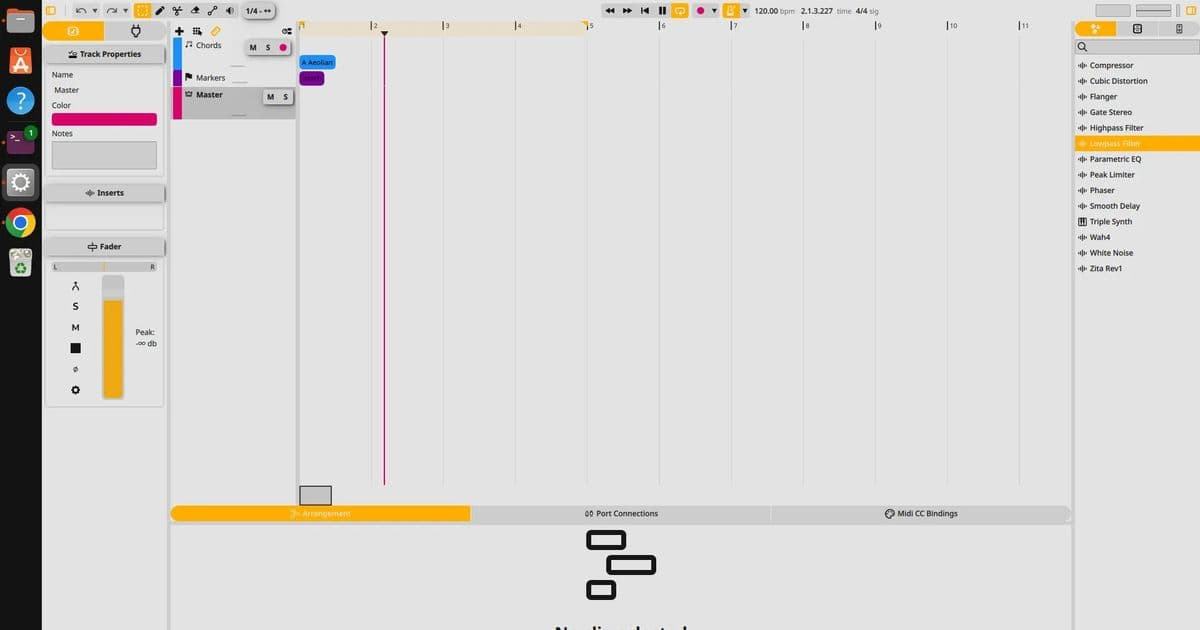
Zrythm has released its 2.0 alpha version, representing a fundamental architectural transformation from GTK to Qt6/QML and from C to C++23. This significant rewrite enhances cross-platform compatibility, adds professional plugin support, and modernizes the build system with CMake, positioning Zrythm as a more competitive option in the DAW market.
The open-source digital audio workstation (DAW) landscape has experienced a significant architectural shift with the release of Zrythm 2.0 Alpha, marking a complete rewrite of the application from GTK to Qt6/QML and from C to C++23. This transformation represents one of the most substantial architectural changes in open-source audio software in recent years, potentially reshaping how developers approach cross-platform audio application development.
Architectural Transformation
Zrythm's migration from GTK to Qt6/QML represents a strategic decision with profound technical implications. The original GTK implementation, while functional, presented limitations in cross-platform consistency and modern UI capabilities. Qt6/QML offers enhanced performance, better hardware acceleration, and more sophisticated animation capabilities that could significantly improve the user experience for audio professionals.
The language transition from C to C++23 is equally significant. C++23 introduces modern language features including modules, concepts, and improved constexpr capabilities that can enhance code organization and performance. For a complex application like a DAW, which requires real-time audio processing, efficient memory management, and responsive UI, these improvements translate directly to tangible benefits for end users.
The build system transition from Meson to CMake reflects practical considerations in the software development ecosystem. While Meson offers a modern approach to build configuration, CMake provides broader industry adoption, more extensive documentation, and better integration with various development tools and platforms. This change simplifies the contribution process and potentially accelerates development cycles.
Technical Enhancements
Beyond the architectural changes, Zrythm 2.0 Alpha introduces several critical features that enhance its professional viability:
Plugin Support Expansion: The addition of JUCE and CLAP (Cross-Platform Audio Plugin) support addresses a major limitation in the previous version. JUCE is the industry standard for commercial plugin development, used by countless professional audio companies. CLAP, developed by the makers of Bitwig Studio, represents the future of cross-platform plugin standards, potentially allowing Zrythm to host plugins from virtually any DAW ecosystem.
ASIO Integration on Windows: The addition of ASIO (Audio Stream Input/Output) support on Windows resolves a significant compatibility issue. ASIO provides low-latency audio communication between applications and sound cards, a requirement for professional audio production. This enhancement positions Zrythm as a more viable option for Windows users in the competitive DAW market.
Performance Optimizations: The C++23 rewrite and Qt6 implementation likely bring performance improvements in both audio processing and UI responsiveness. For audio applications, even minor performance gains can translate to lower latency, more tracks, and more plugins per project – critical factors for professional users.
Code Maintainability: The transition to C++23 and Qt6/QML should significantly improve code maintainability. Modern C++ features enable better abstraction and organization of complex audio processing code, while Qt6's improved architecture simplifies UI development and maintenance.
Market Implications
Zrythm's architectural transformation occurs at a critical juncture in the DAW market. The professional audio software industry has traditionally been dominated by proprietary solutions like Ableton Live, FL Studio, and Logic Pro, with open-source alternatives primarily serving niche or budget-conscious users.
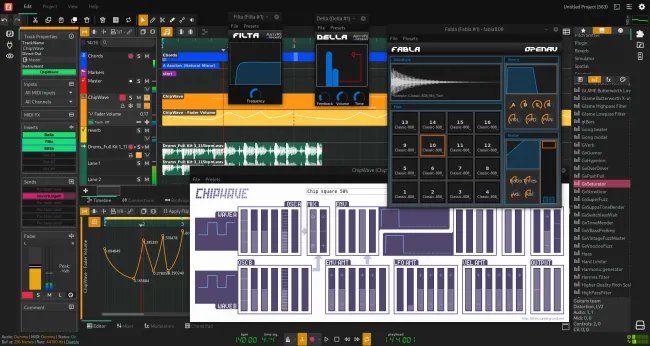
By adopting Qt6/QML and C++23, Zrythm positions itself as a technically sophisticated alternative that can compete more effectively with proprietary solutions. The enhanced plugin support, particularly CLAP and JUCE, addresses the most significant limitation of open-source DAWs – plugin compatibility. This could enable Zrythm to host the same professional plugins used in industry-standard workflows.
The architectural changes also signal a maturation of the open-source audio development ecosystem. Qt6, while a proprietary framework, offers permissive licensing that makes it suitable for open-source applications. Its cross-platform capabilities ensure consistent behavior across Windows, macOS, and Linux, addressing a historical challenge for audio software development.
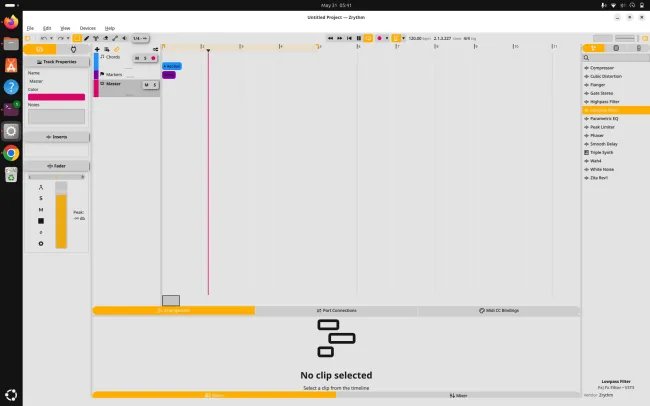
For users, the Qt6/QML interface may initially feel less polished than the GTK implementation, as noted in the release notes. However, Qt6's superior theming capabilities and animation framework offer the potential for more sophisticated and visually appealing interfaces in future releases. The alpha status indicates that UI refinement remains a priority for subsequent development cycles.
The shift to C++23 also positions Zrythm to leverage modern C++ features that can improve both performance and developer productivity. In an industry where performance is paramount, the ability to compile with modern optimization techniques and language features could provide tangible advantages over legacy codebases.
Development and Community Impact
The architectural rewrite represents a significant investment of development resources. For an open-source project, such transitions require careful community management to maintain momentum during the development process. The release of an alpha version indicates that the development team prioritizes getting the new architecture into users' hands for feedback rather than waiting for a fully polished release.
The GitHub availability of the alpha release demonstrates the project's commitment to community transparency and collaborative development. This approach allows early adopters and developers to identify issues and contribute improvements, potentially accelerating the stabilization process.
For the broader open-source audio community, Zrythm's architectural transformation sets a precedent for how existing projects can modernize their technology stack while maintaining compatibility with existing workflows. The migration path from GTK to Qt6/QML, while challenging, offers valuable insights for other audio applications considering similar transitions.
Future Prospects
Zrythm 2.0 Alpha represents a foundation rather than a finished product. The architectural changes provide a solid base for future feature development and performance improvements. Key areas for potential enhancement include:
UI Refinement: While the Qt6/QML implementation provides technical advantages, visual polish and user experience optimization will be critical for adoption.
Plugin Ecosystem Expansion: Building on the JUCE and CLAP foundations, expanding compatibility with other plugin formats could further enhance Zrythm's viability.
Performance Optimization: Real-world performance testing and optimization will be essential to demonstrate the benefits of the new architecture.
Documentation and Tutorials: The architectural changes create an opportunity to develop comprehensive documentation and tutorials that help users and developers understand the new codebase.
The release of Zrythm 2.0 Alpha underscores the ongoing evolution of open-source audio software. By embracing modern technologies like Qt6 and C++23, the project demonstrates a commitment to technical excellence that could help it gain traction in a market historically dominated by proprietary solutions. For audio professionals and enthusiasts seeking open-source alternatives, this architectural transformation represents a significant step forward in the development of viable professional-grade DAW software.
Users interested in exploring the new architecture can download the alpha release from the official GitHub repository. The development team has indicated that this is an early release, and users should expect some instability as the codebase stabilizes in subsequent development cycles.
Comments
Please log in or register to join the discussion