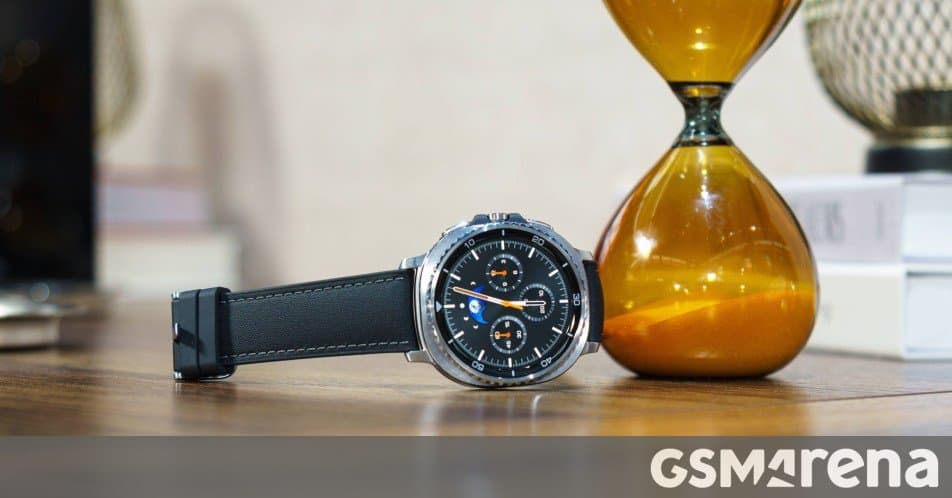
A code review of a Wear OS update revealed codenames Fresh 9, Wise 9 and Project V2, pointing to a Galaxy Watch9, a Watch9 Classic and an Ultra 2. The find also hints at possible Raise‑to‑Talk support, raising expectations for a July launch alongside the new Z Flip8 and Z Fold8.
Samsung’s next‑generation smartwatch line may be larger than many expected. While the company has historically alternated between standard and "Classic" variants – the Galaxy Watch4 introduced the first Classic model in 2021, but the Watch5 and Watch7 skipped the retro‑styled design – a fresh look at Samsung’s Wear OS update code suggests the upcoming Galaxy Watch9 family will include both a regular and a Classic version, plus a second‑generation Ultra.
What the code reveals
Android Authority’s engineers spotted three distinct codenames in the Wear OS source tree:
- Fresh 9 – likely the internal name for the standard Galaxy Watch9.
- Wise 9 – presumed to be the Galaxy Watch9 Classic.
- Project V2 – almost certainly the Galaxy Watch Ultra 2.
These identifiers appeared alongside a new setting called RttSettingsManager3pWearOs. The older RttSettingsManagerPixelWatch flag enables Google’s Raise‑to‑Talk feature on the Pixel Watch, which lets users activate the microphone with a simple wrist‑up motion. If Samsung adopts the same flag, the Watch9 series could inherit that convenience, narrowing the functional gap between Samsung’s Wear OS devices and Google’s own hardware.
Why a Classic matters this year
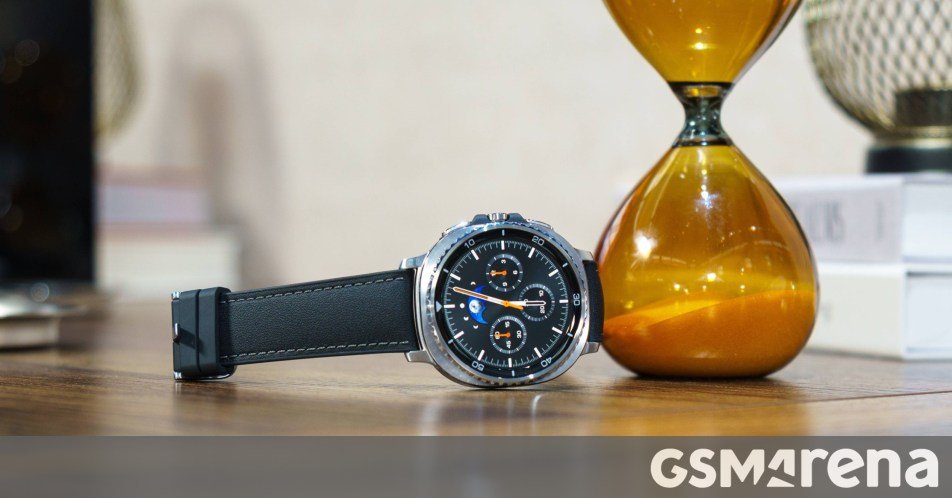
Samsung’s pattern of releasing Classic variants only on even‑numbered generations (Watch4, Watch6, Watch8) led many to assume 2026 would be a "no‑Classic" year. The codename leak flips that expectation. A Classic model would retain the signature rotating bezel and stainless‑steel frame that many fans consider the hallmark of Samsung’s premium wearables. For users who prefer a more traditional watch aesthetic, the Wise 9 could be a decisive factor when choosing between Samsung and competitors such as the Apple Watch Series 9 or the Google Pixel Watch 2.
Speculation on hardware
While Samsung has not confirmed specifications, the naming convention hints at incremental upgrades over the Watch8 series:
- Display: Expect a 1.4‑inch Super AMOLED with up to 450 nits brightness, possibly a higher refresh rate (up to 60 Hz) for smoother navigation.
- Processor: A next‑gen Exynos W‑Series chip, likely built on a 4 nm process, offering better power efficiency and AI‑enhanced health tracking.
- Memory: 2 GB RAM and 16 GB storage for the standard model; the Classic may add 32 GB storage for users who store more music and apps.
- Battery: Around 340 mAh for the regular version, delivering up to 2‑day endurance; the Classic could see a slightly larger cell to compensate for the bulkier case.
- Sensors: Continued support for ECG, SpO₂, body composition analysis, plus the new Raise‑to‑Talk microphone array.
Ecosystem implications
Samsung’s wearables are tightly woven into its broader Galaxy ecosystem. A Watch9 Classic would sync seamlessly with the upcoming Galaxy Z Flip8 and Z Fold8, sharing features like SmartThings Find, Samsung Health insights, and Galaxy Buds auto‑pairing. The addition of Raise‑to‑Talk would also align Samsung more closely with Google’s software roadmap, potentially simplifying cross‑platform interactions for users who run both Android and Wear OS devices.
From a lock‑in perspective, the Classic’s bezel still requires the Samsung Galaxy Store for watch‑faces and apps, but the underlying Wear OS base means developers can target a broader audience with a single codebase. This dual‑approach could make the Watch9 series more attractive to third‑party developers, expanding the app ecosystem beyond what was available on earlier Samsung‑only platforms.
Launch timeline
Rumors place the unveiling of the Watch9 series alongside the Z Flip8 and Z Fold8 on July 22, 2026. If Samsung follows its typical rollout cadence, pre‑orders could start within a week of the event, with shipments beginning in early August. Pricing is likely to mirror the Watch8 lineup – roughly €250 for the standard model and €300‑€350 for the Classic, with the Ultra 2 positioned at a premium tier.
What to watch for
- Confirmation of Raise‑to‑Talk support in the final software build.
- Whether the Classic retains the rotating bezel or switches to a digital implementation.
- Battery‑life claims once the new Exynos W‑chip is benchmarked.
- Any surprise health‑sensor additions, such as non‑invasive glucose monitoring, which Samsung has hinted at for future wearables.
Stay tuned for the official announcement; the codenames give us a clear hint that Samsung is preparing a diverse smartwatch portfolio that caters to both style‑conscious users and power users who demand the most advanced health and connectivity features.
Comments
Please log in or register to join the discussion