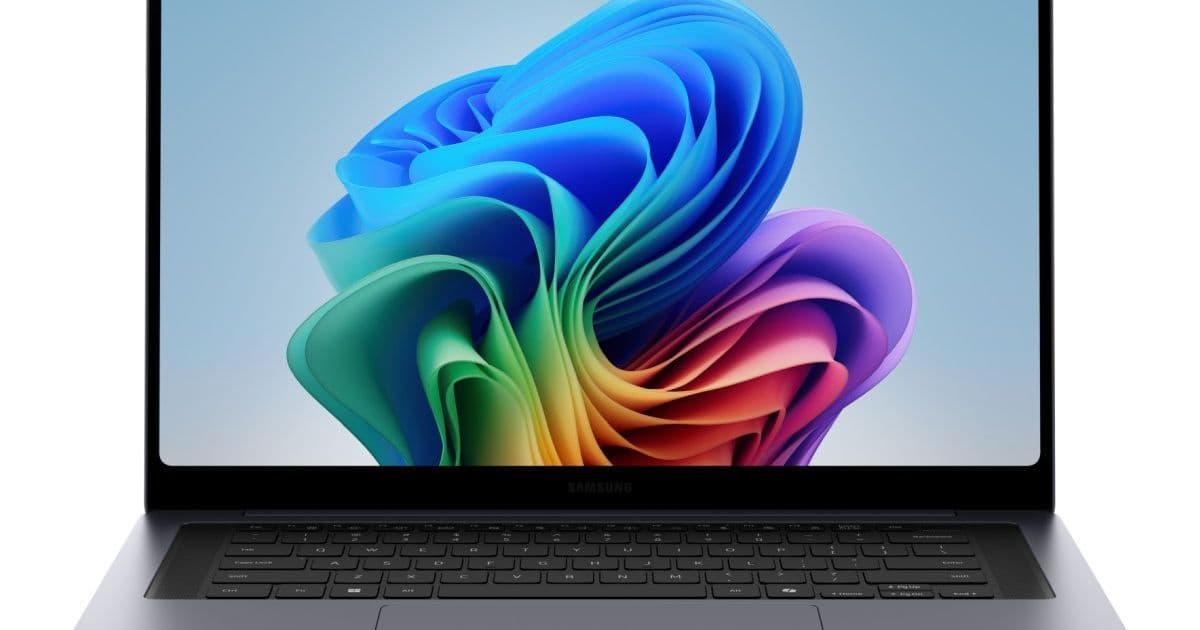
Samsung's latest premium laptops feature Intel Core Ultra processors, OLED displays, and RTX 5060 graphics, but their high prices put them in direct competition with Apple's MacBook Pro lineup.
Samsung has officially launched its Galaxy Book6 Pro and Ultra series laptops, bringing premium features like Intel's latest Core Ultra processors, OLED displays, and NVIDIA RTX 5060 graphics to the Windows laptop market. However, these high-end specifications come with equally high price tags that may give potential buyers pause.
The Ultra Model: Premium Performance at a Premium Price
The Galaxy Book6 Ultra sits at the top of Samsung's new lineup, featuring a 16-inch 2.8K OLED touchscreen display with a 120Hz refresh rate. Buyers can choose between two configurations: an Intel Core Ultra X7 358H Panther Lake processor with Arc Pro B390 integrated graphics, or a Core Ultra 7 356H chip paired with a discrete NVIDIA GeForce RTX 5060 GPU.
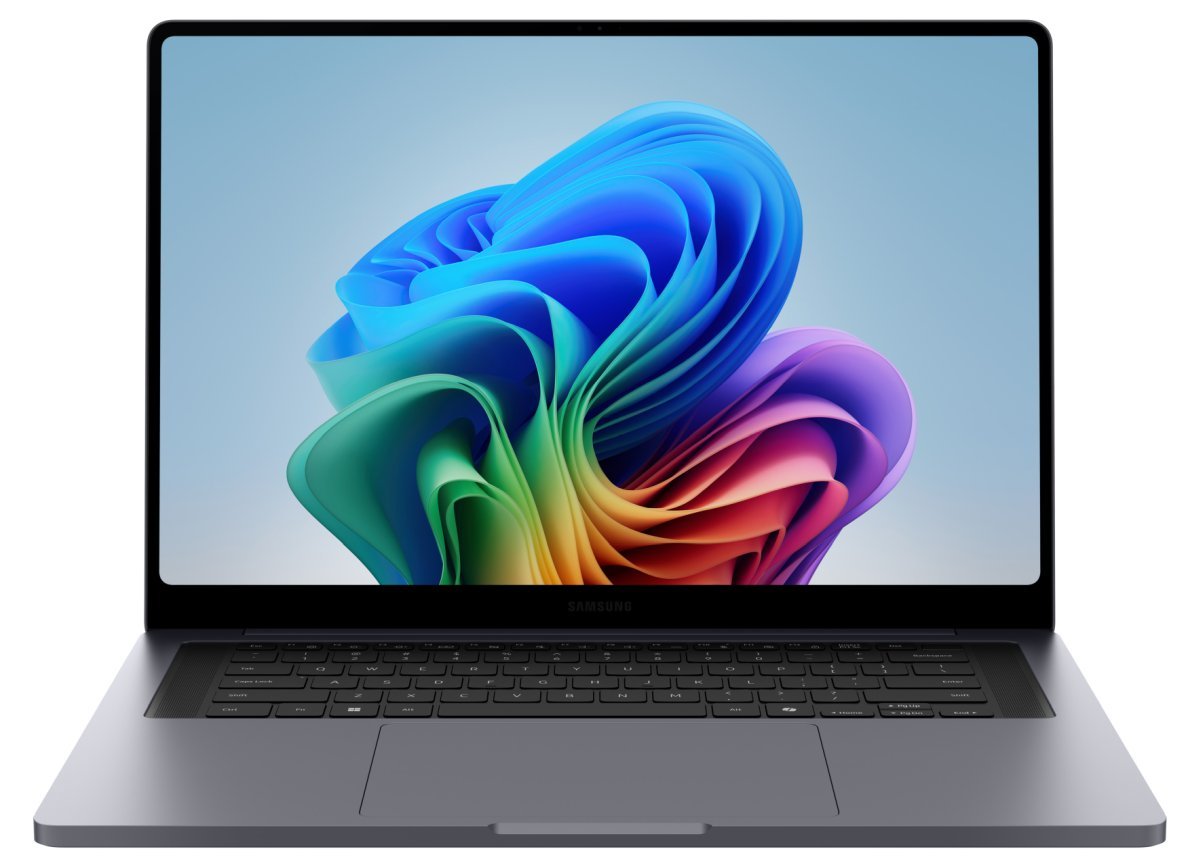
The Intel-only model starts at $2,500, while the Intel + NVIDIA configuration begins at $3,000. These prices position the Book6 Ultra directly against Apple's MacBook Pro lineup, which has long dominated the premium laptop segment.
The Pro Model: A More Accessible Option
For those seeking a more affordable entry point, Samsung offers the Galaxy Book6 Pro in both 14-inch and 16-inch variants. The 14-inch model starts at $1,600 and includes an Intel Core Ultra 7 356H processor with a 16-core CPU and 4-core graphics, 16GB of RAM, and a 512GB SSD.
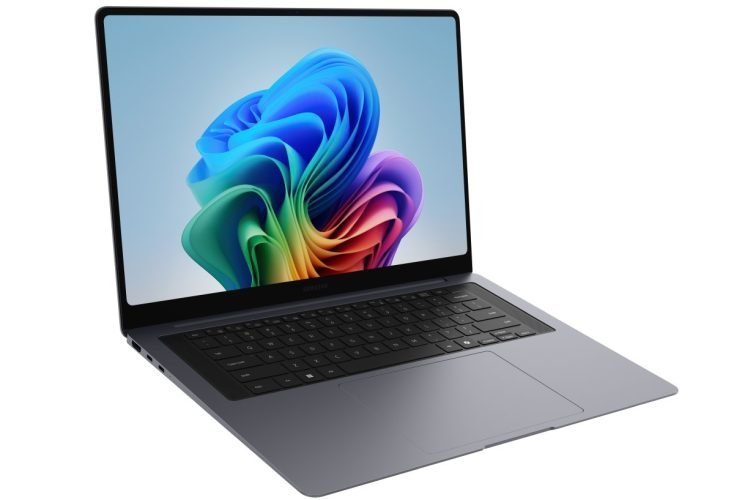
The 16-inch Pro model starts at $1,900 for a 16GB + 512GB configuration. While these prices are lower than the Ultra model, they still represent a significant investment for most consumers.
Shared Premium Features
Both the Pro and Ultra models share several high-end features:
- LPDDR5X memory soldered to the mainboard (non-upgradable)
- Two M.2 slots for user-replaceable storage
- Dual Thunderbolt 4 ports
- USB 3.2 Type-A and HDMI 2.1 ports
- Backlit keyboards
- Fingerprint sensors
- Haptic touch trackpads
Key Differences Between Models
The Ultra model distinguishes itself with several premium features:
- Six speakers (compared to four on the Pro models)
- Slightly larger battery (80.2Wh vs 78.1Wh on 16-inch Pro and 67.2Wh on 14-inch Pro)
- Higher charging power (100W or 140W USB Type-C vs 65W on Pro models)
- 2MP camera (vs 1080p on Pro models)
- Enhanced cooling system to support the RTX 5060 GPU
Technical Specifications at a Glance
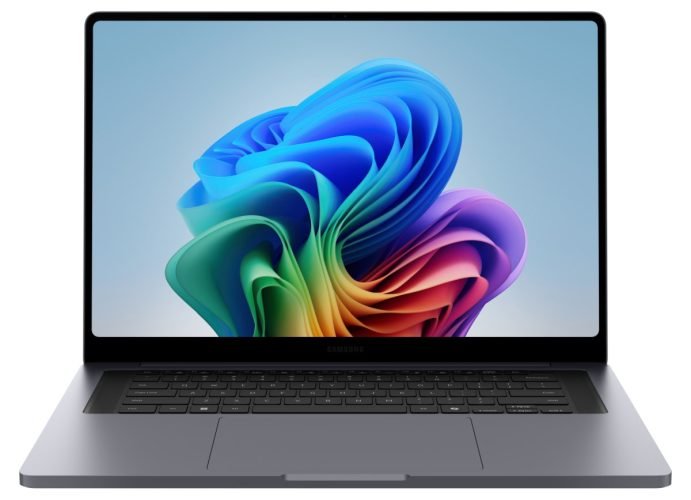
| Model | Display | Processor | Graphics | RAM | Storage | Battery | Weight |
|---|---|---|---|---|---|---|---|
| Ultra | 16" 2880x1800 AMOLED 120Hz | Core Ultra 7 356H or X7 358H | Intel Arc B390 or RTX 5060 | 32GB LPDDR5X | 1TB PCIe NVMe | 80.2Wh | 1.79-1.89kg |
| Pro 16" | 16" AMOLED | Core Ultra 7 356H | Intel Graphics | 16GB/32GB LPDDR5X | 512GB/1TB PCIe NVMe | 78.1Wh | 1.59kg |
| Pro 14" | 14" AMOLED | Core Ultra 7 356H | Intel Graphics | 16GB/32GB LPDDR5X | 512GB/1TB PCIe NVMe | 67.2Wh | 1.23kg |
Market Positioning and Competition
The Galaxy Book6 series enters a competitive premium laptop market where Apple's MacBook Pro continues to set the standard for many professionals. Samsung's pricing strategy suggests they're targeting users who want Windows alternatives to Apple's ecosystem, particularly those who value OLED displays and the flexibility of Windows software.
The inclusion of the RTX 5060 GPU in the Ultra model is particularly noteworthy, as it brings modern gaming and creative capabilities to a thin-and-light form factor. This could appeal to content creators and professionals who need both portability and graphics performance.
Availability and Final Thoughts
Both the Galaxy Book6 Pro and Ultra models are now available for purchase through Samsung's website and authorized retailers. While the specifications are impressive, the pricing may limit these laptops to enthusiasts and professionals who need their specific feature set.
For users who prioritize OLED displays, Windows flexibility, and modern Intel processors, the Galaxy Book6 series offers compelling options. However, the high entry prices mean buyers will need to carefully consider whether the premium features justify the premium cost compared to other high-end Windows laptops or Apple's offerings.
Comments
Please log in or register to join the discussion