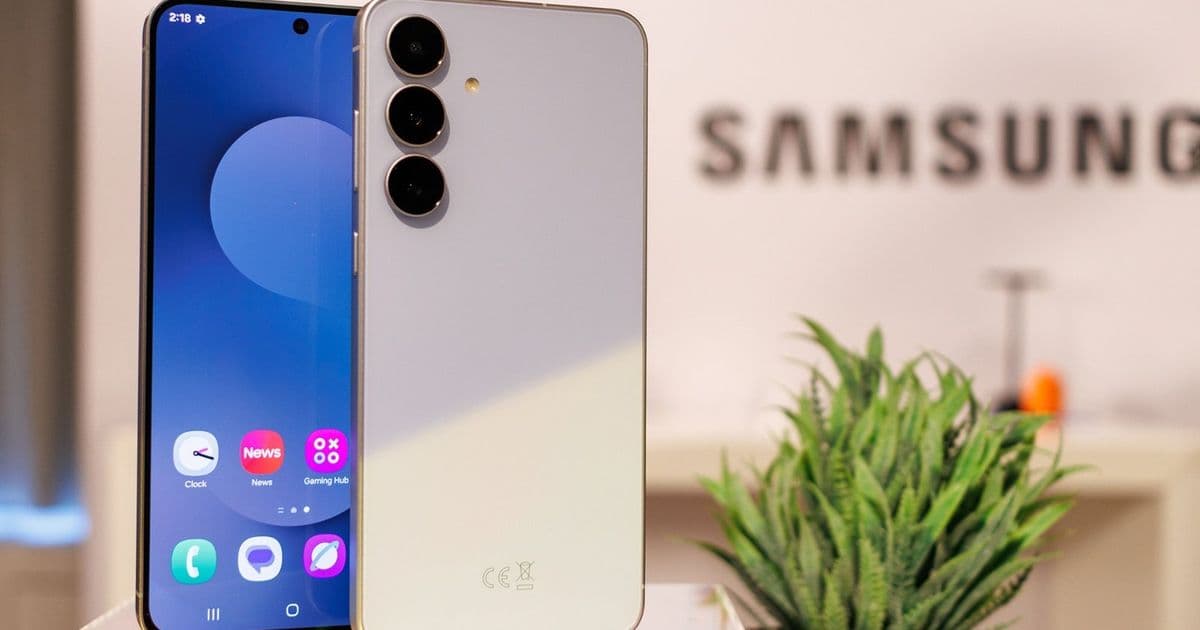
Samsung is shifting from its own OLED panels to cheaper Chinese-made displays from CSOT for its mid-range Galaxy A57 and S26 Fan Edition phones, a strategic move to offset soaring memory component costs that have doubled in recent months.
Samsung is making a significant strategic shift in its supply chain, turning to Chinese manufacturer CSOT for OLED panels in its upcoming mid-range smartphones. According to industry sources, the South Korean tech giant will equip the Galaxy A57 and Galaxy S26 Fan Edition with displays from China Star Optoelectronics Technology (CSOT) instead of its own Samsung Display division components.
The move comes as Samsung seeks to counteract dramatic increases in memory component costs. RAM and storage prices have doubled in just a few months, driven by unprecedented demand for AI data centers. The Crucial 64GB DDR5 RAM kit, for example, has seen its price surge twofold since November, despite current discounts. This shift has made memory the most expensive component in smartphones, surpassing both system chips and displays in cost.
Samsung's decision to source from CSOT offers a 20% cost reduction compared to using its own display technology. For the mid-range Galaxy A series and Fan Edition models, which operate in a highly price-sensitive market segment, this represents a significant manufacturing cost saving. The company has reportedly ordered no fewer than 15 million OLED panels from the Chinese manufacturer to support production of these upcoming devices.
While CSOT displays are considered "passable" for Samsung's mid-range tier, the quality falls short of Samsung Display's premium offerings. The compromise reflects Samsung's prioritization of maintaining competitive pricing in its mid-range segment rather than maintaining display exclusivity across all product lines. Other phone makers like Oppo, Vivo, and OnePlus have already responded to rising component costs by increasing smartphone prices in China, but Samsung's approach differs by focusing on supply chain optimization rather than direct price hikes.
The decision has reportedly created internal friction at Samsung. According to industry sources, Samsung Display has argued forcefully against losing the "bread-and-butter" A-series business, especially after losing orders from other phone manufacturers due to the memory price crisis. Despite these concerns, Samsung's management has approved the shift to CSOT panels, indicating the financial pressure facing the company's smartphone division.
For consumers, the change may be difficult to detect in the final product. Samsung typically applies its own display calibration and software optimization to panels regardless of manufacturer. However, the underlying hardware quality difference between Samsung Display and CSO panels could potentially impact factors like color accuracy, brightness consistency, and power efficiency.
The Galaxy A57 and S26 Fan Edition will serve as test cases for this new supply strategy. If successful, Samsung may expand CSOT usage to additional mid-range models, potentially affecting its Display division's revenue and market position. This move also highlights how component cost fluctuations can force even vertically integrated companies like Samsung to reconsider their manufacturing strategies and potentially cede control of critical components to external suppliers.
As memory prices continue to fluctuate with AI-driven demand, Samsung's decision represents a pragmatic adaptation to market realities. The company's ability to balance cost pressures with product quality will be closely watched by industry observers and consumers alike when these new models reach the market later this year.
Comments
Please log in or register to join the discussion