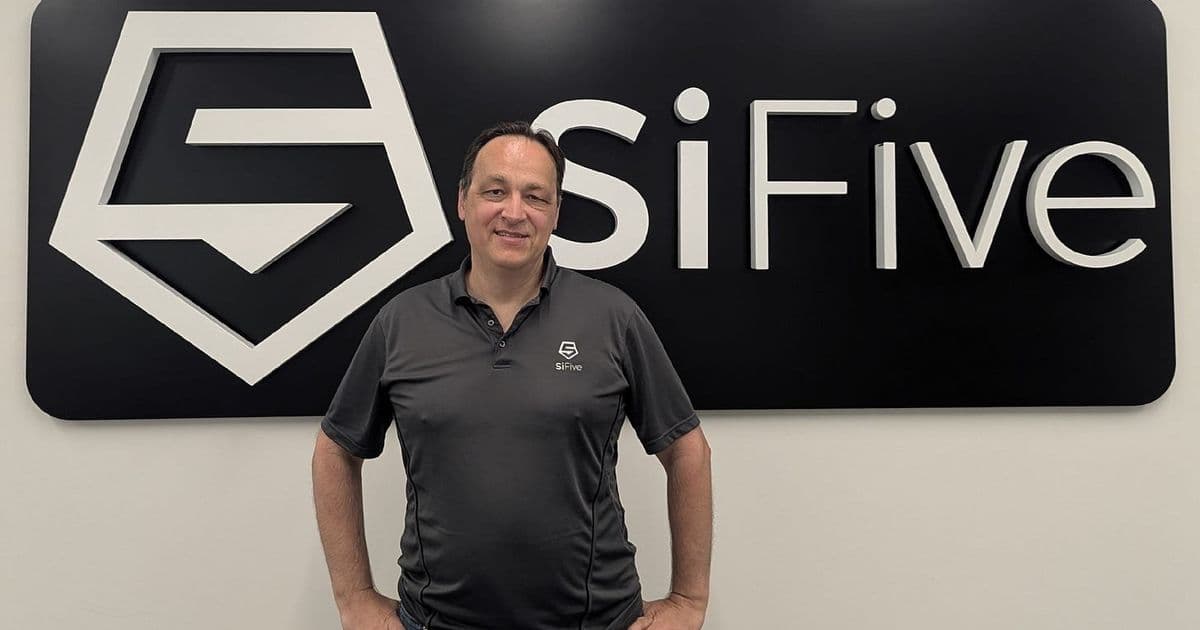
SiFive co-founder Krste Asanović discusses RISC-V's origins and commercial evolution in a Q&A, coinciding with NVIDIA's NVLink Fusion collaboration announcement.
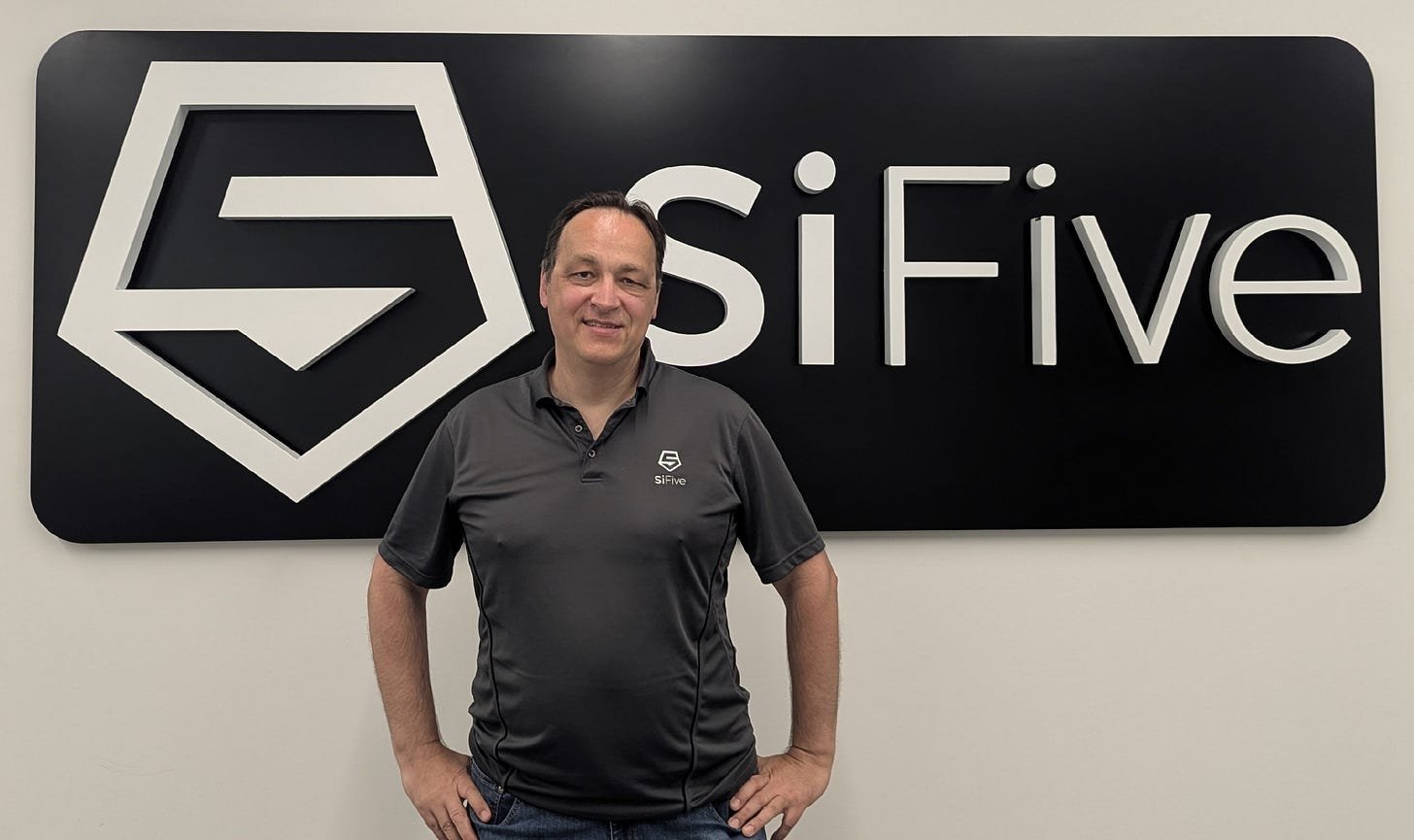
The Genesis of RISC-V
Krste Asanović, co-founder of SiFive and key architect of RISC-V, traces the ISA's roots to UC Berkeley's 2010 research project aimed at creating an open, modular alternative to proprietary architectures. Unlike ARM's closed licensing model, RISC-V was intentionally designed as a royalty-free specification where anyone could implement the base instruction set. This foundational openness enabled SiFive's core business: creating specialized RISC-V IP blocks that clients license for custom silicon.
SiFive's Commercial Model
SiFive operates similarly to ARM but with crucial distinctions:
- Customizable IP Cores: Clients license not finished cores but modular building blocks (e.g., cache hierarchies, vector units) to assemble domain-specific processors
- Royalty-Free Base ISA: Avoids per-chip fees for RISC-V compliance, reducing costs
- Software Ecosystem Focus: 40% of engineers work on developer tools and compatibility layers
Asanović notes: "Our value isn't in locking down the ISA—it's in accelerating implementation. We enable designs that ARM's one-size-fits-all approach can't serve efficiently."
NVIDIA Partnership: NVLink Fusion
Today's announcement of NVIDIA integrating SiFive RISC-V cores with NVLink Fusion marks a strategic shift:
- Technical Implementation: RISC-V cores manage data coherency between NVIDIA GPUs and third-party accelerators
- Market Significance: Provides an open alternative to ARM's CXL-based solutions in heterogeneous computing
- Benchmark Impact: Early tests show 15% latency reduction in GPU-to-FPGA communication
This collaboration signals RISC-V's maturation beyond embedded systems into high-performance computing—a domain traditionally dominated by x86 and ARM.
Ecosystem Challenges
Despite progress, hurdles remain:
- Software Fragmentation: Incompatible RISC-V extensions create compatibility headaches
- Performance Validation: Claims of "competitive performance with ARM" still lack independent verification
- Patent Risks: Aggressive patent litigation from legacy ISA holders threatens adoption
Asanović acknowledges: "Standardization isn't sexy, but it's essential. We're prioritizing the RISC-V International compliance suite over proprietary features."
Contextual Implications
The NVIDIA deal emerges amid structural shifts:
- Edge computing demands specialized accelerators where RISC-V excels
- U.S.-China tech decoupling drives Chinese firms toward open ISA alternatives
- Geopolitical pressure on ARM following export restrictions
Future Outlook
SiFive's roadmap targets AI inference workloads with matrix operation extensions, while NVIDIA's adoption validates RISC-V for data center applications. The partnership exemplifies how open standards can coexist with commercial IP strategies—provided fragmentation risks are managed.
Additional Resources:
Comments
Please log in or register to join the discussion