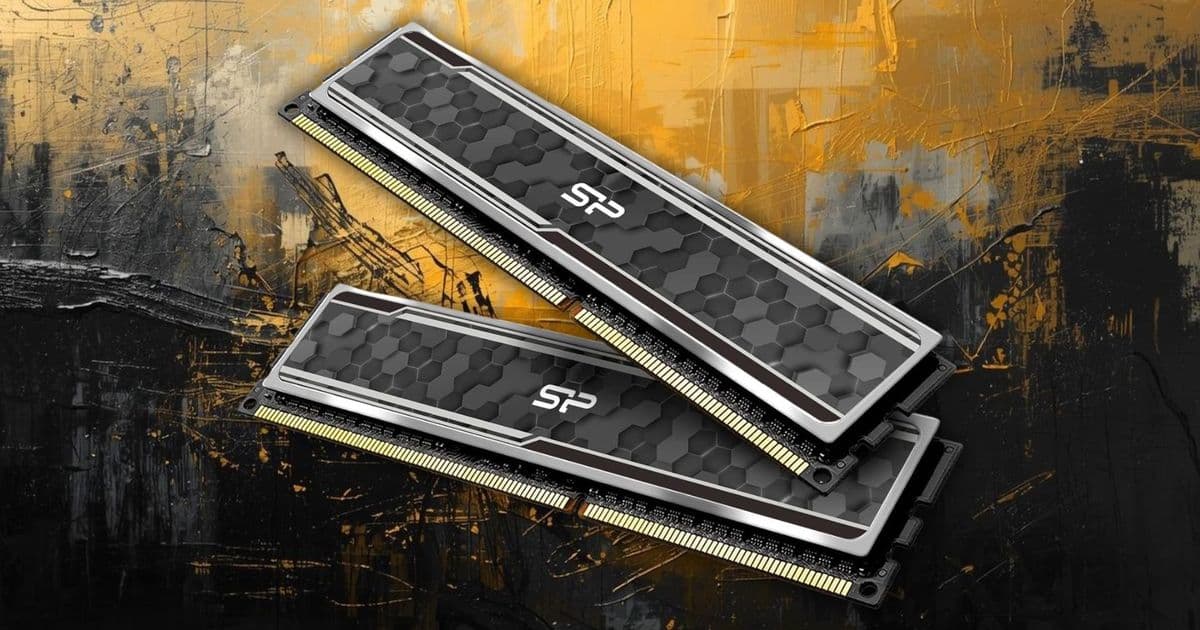
A Reddit user's RMA experience with Silicon Power reveals a troubling disconnect between warranty policies and current market realities, as a 15% depreciation fee on returned RAM leaves customers paying significantly more for replacements in today's inflated memory market.
A Reddit user's recent experience with Silicon Power's RMA process has ignited discussion about warranty policies in an era of volatile memory pricing. The incident, shared on the PCMR subreddit by user u/permanentlytemporary, highlights the growing disconnect between manufacturer return policies and current market realities.
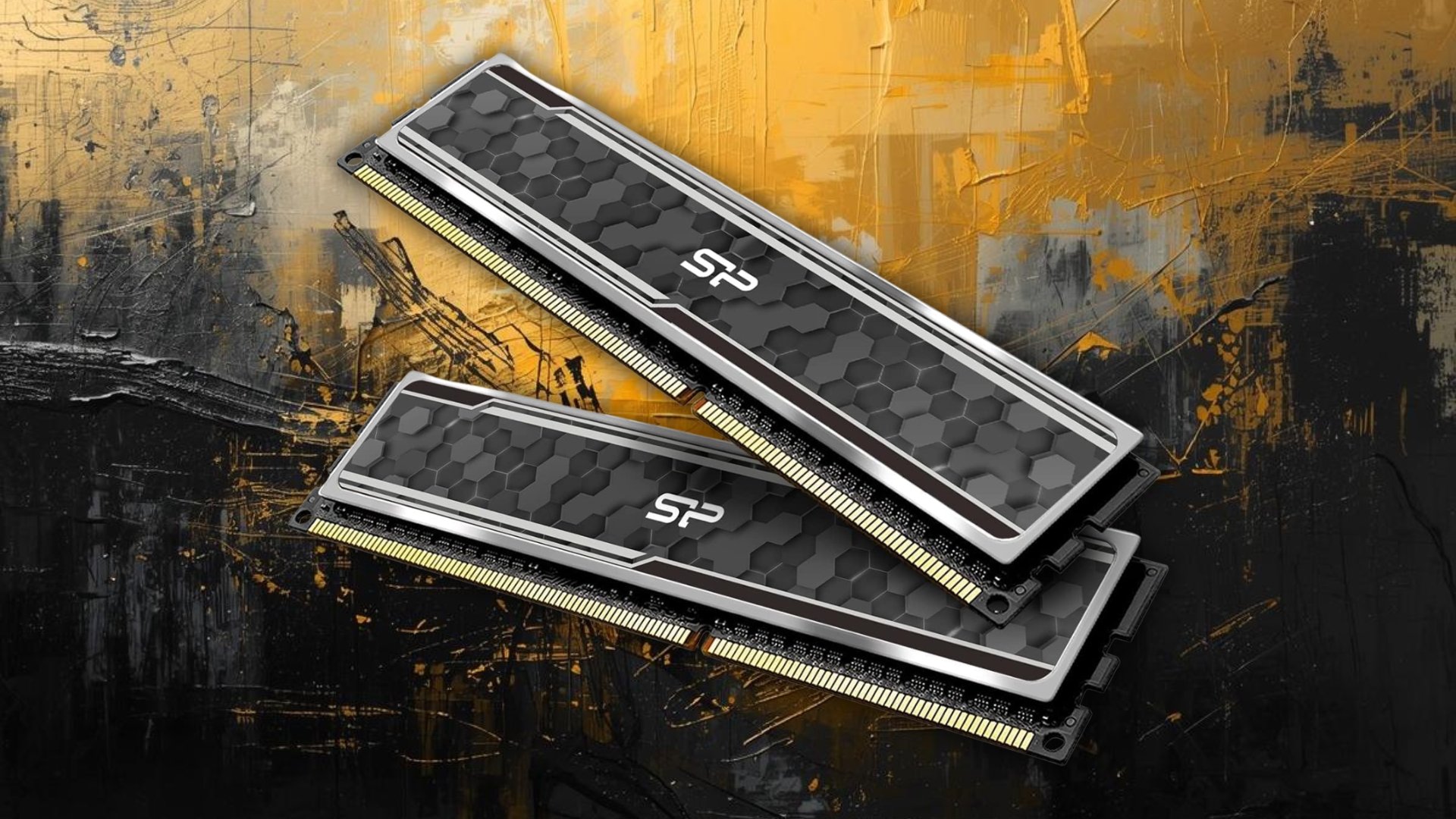
The user reported purchasing a 2x8GB Silicon Power DDR4-3200 RAM kit for $54.97, a price point that suggests the purchase was made before the recent memory shortage took hold, likely during the third quarter of last year. When the RAM failed and required replacement, Silicon Power's response left the customer facing unexpected costs in today's inflated memory market.
According to the user's account, Silicon Power opted to provide a refund rather than a replacement, basing the amount on the original purchase price plus applying a 15% depreciation fee. This meant the customer received only $46.72 instead of the $54.97 paid initially. The timing proved particularly unfortunate given that the same 16GB kit now retails for $140.97 on Amazon—more than 2.5 times the original cost.
The depreciation policy, as outlined in Silicon Power's warranty documentation, grants the company discretion to determine refund amounts based on "product availability, length of product use, the extent of damage, or other reasonable business considerations." While the policy doesn't explicitly guarantee refunds equal to the original purchase amount, the application of depreciation fees during a period of significant price appreciation has drawn criticism.
This situation reflects broader market dynamics affecting the DRAM industry. Recent reports indicate that AI data centers are consuming unprecedented amounts of memory and storage, driving prices upward. The shift toward high-bandwidth memory (HBM) for AI applications is also reshaping the memory landscape, with HBM3E already in production and HBM4 on the horizon.
For the affected customer, the financial impact extends beyond the immediate loss. With 8GB Silicon Power DDR4-3200 sticks now priced at $69.97 on Amazon, even the depreciated refund amount falls short of purchasing a single replacement module. The user noted they had already purchased replacement RAM to restore their system functionality, but expressed disappointment with Silicon Power's handling of the warranty claim.
The experience left the customer frustrated not only with the financial outcome but also with the RMA process itself, which they described as feeling "like it was from 2002." This sentiment echoes broader concerns about warranty processes in the tech industry, where outdated procedures often clash with modern consumer expectations.
Silicon Power's warranty policy does offer alternatives to depreciation-based refunds, including full replacement of defective products or full refunds of the original purchase price. However, the company's discretion in choosing among these options means customers have limited recourse when faced with unfavorable outcomes.
The incident raises questions about how manufacturers should handle warranty claims during periods of significant price volatility. While depreciation fees may be reasonable during stable market conditions, their application during price surges can effectively penalize customers for timing their original purchases before market disruptions.
For consumers, this situation serves as a reminder to carefully review warranty terms before making purchases, particularly for components subject to market volatility. It also highlights the potential value of credit card purchase protection and extended warranty programs that might offer more favorable terms during manufacturer disputes.
As memory prices continue to fluctuate due to AI-driven demand and manufacturing constraints, similar conflicts between warranty policies and market realities may become more common. Manufacturers may need to reconsider how their warranty terms apply during extraordinary market conditions to maintain customer trust and satisfaction.
The broader implications extend to the entire PC component market, where warranty policies developed during periods of relative price stability may no longer align with current economic realities. As the industry continues to grapple with supply chain challenges and shifting demand patterns, both manufacturers and consumers will need to navigate these evolving dynamics carefully.
Comments
Please log in or register to join the discussion