Singapore reported 6% year‑on‑year GDP growth in Q1 2026, outpacing the 4.6% forecast as AI‑related services and hardware exports accelerated. The surge reinforces the city‑state’s full‑year growth outlook but highlights exposure to Middle‑East geopolitical risk and the need for continued upskilling.
Singapore Q1 GDP Growth Tops Estimates at 6% on AI Boom
Business news
Singapore’s Ministry of Trade and Industry released first‑quarter figures on 25 May showing a 6.0% year‑on‑year increase in real GDP, well above the 4.6% consensus forecast from the Asian Development Bank. The expansion was powered primarily by a 12.4% jump in the information and communications technology (ICT) sector, where AI‑related hardware, cloud services, and data‑center construction posted the strongest gains.
Exports rose 9.8% YoY, with AI‑enabled semiconductor equipment, autonomous‑vehicle sensors, and enterprise‑AI software accounting for roughly US$3.2 billion of the total export value—a 45% increase from the same quarter a year earlier. Government‑led incentives, such as the AI Venture Grant and tax rebates for AI‑focused R&D, are credited with attracting multinational firms to set up regional R&D hubs in the city‑state.
Market context
- Regional comparison: Thailand and Malaysia posted Q1 growth of 3.2% and 3.8% respectively, while Indonesia slipped into contraction at –0.4%. Singapore’s performance now places it at the top of the ASEAN growth table for the quarter.
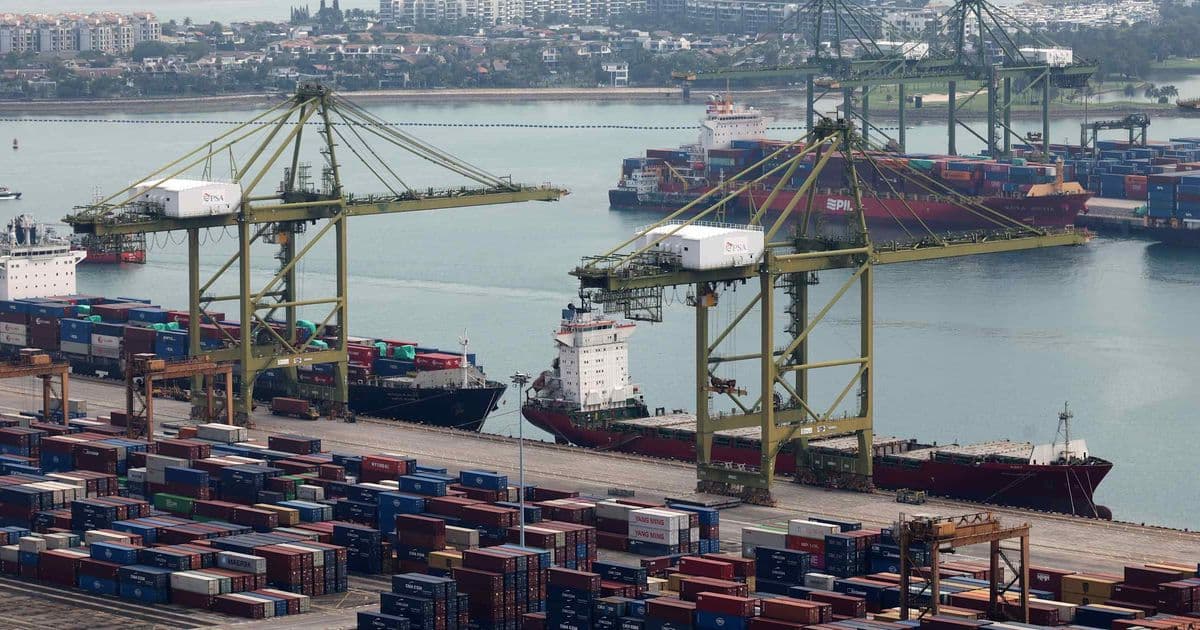
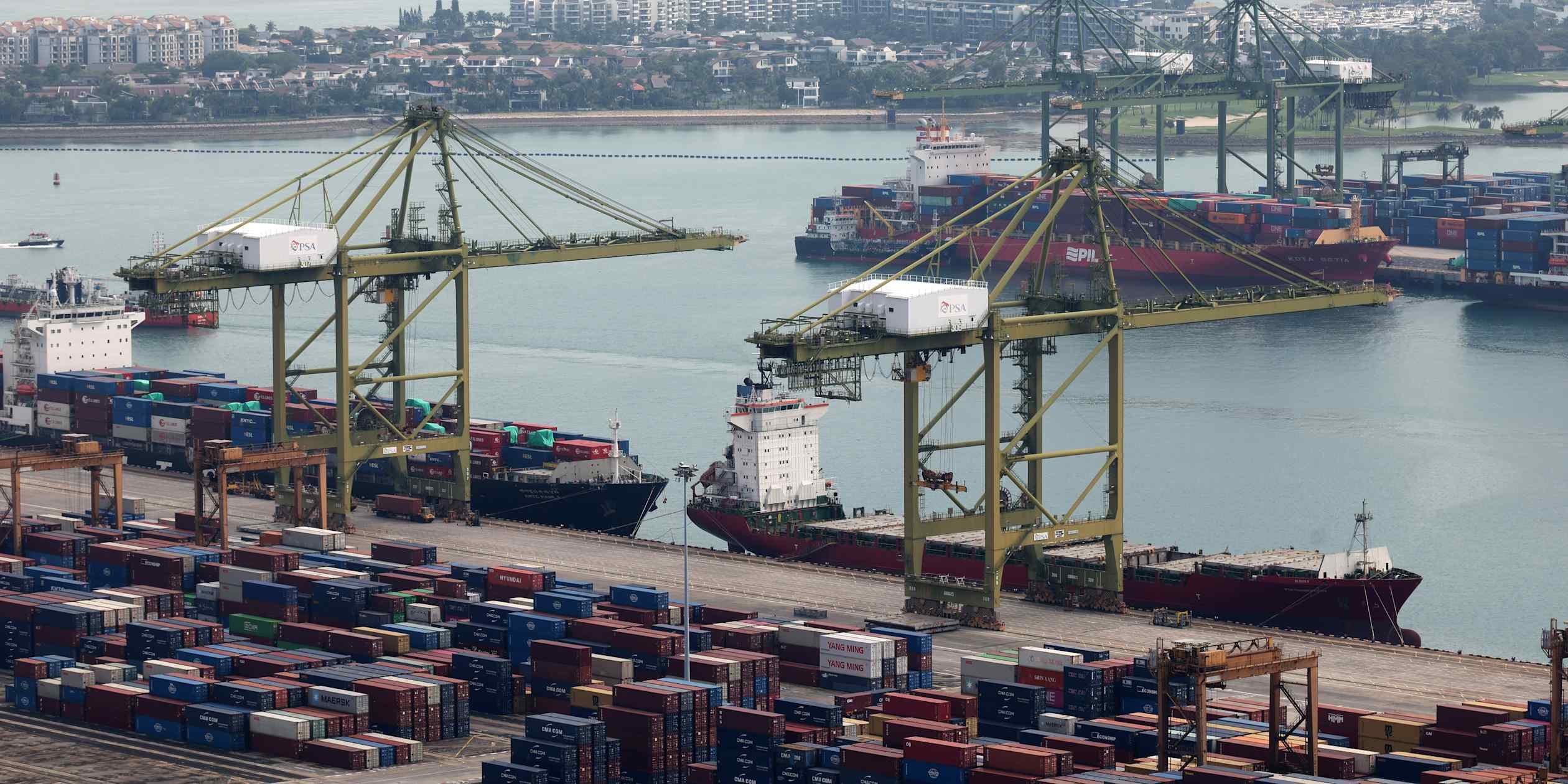
- Geopolitical backdrop: The ongoing conflict in the Middle East has disrupted shipping lanes and raised oil prices, pressuring logistics‑intensive economies. Singapore’s port throughput grew only 1.2% in Q1, reflecting the broader regional slowdown.
- Policy environment: The Singapore Economic Development Board (EDB) announced a S$1.5 billion fund to support AI talent development and to subsidise up to 30% of capital expenditure for AI‑related manufacturing equipment.
- Currency impact: The Singapore dollar appreciated 0.8% against the US dollar during the quarter, slightly eroding export competitiveness but keeping inflation in check at 2.1%.
What it means
- AI as a growth engine – The data suggest that AI is no longer a niche segment for Singapore; it now underpins a sizable share of export earnings. Companies that can bundle AI software with hardware—such as semiconductor equipment makers and autonomous‑driving sensor manufacturers—are likely to see continued order inflows.
- Talent pipeline pressure – The rapid expansion of AI‑related activities will sharpen the demand for data scientists, machine‑learning engineers, and AI ethics specialists. Firms that partner with local universities or tap the AI Talent Development Programme will gain a hiring edge.
- Risk of over‑reliance on a single sector – While AI has lifted headline growth, the logistics and tourism sub‑sectors remain vulnerable to external shocks. Diversifying into green‑tech and biotech, where Singapore already enjoys a strong regulatory framework, could mitigate this concentration risk.
- Investor outlook – The STI Index rose 2.3% in the quarter, driven largely by the technology and communications components. Analysts are upgrading earnings forecasts for Singapore‑listed AI firms, with an average price‑to‑earnings multiple now at 18x versus 14x a year ago.
- Policy continuity – Maintaining the full‑year GDP target of 5.5%–6.5% will likely require the government to sustain fiscal support for AI R&D and to streamline visa processes for foreign AI talent.
Overall, Singapore’s Q1 performance illustrates how a focused AI strategy can offset broader regional headwinds. The challenge ahead will be to translate this short‑term momentum into a sustainable, diversified growth model that can weather geopolitical turbulence and the inevitable maturation of the AI market.
Comments
Please log in or register to join the discussion