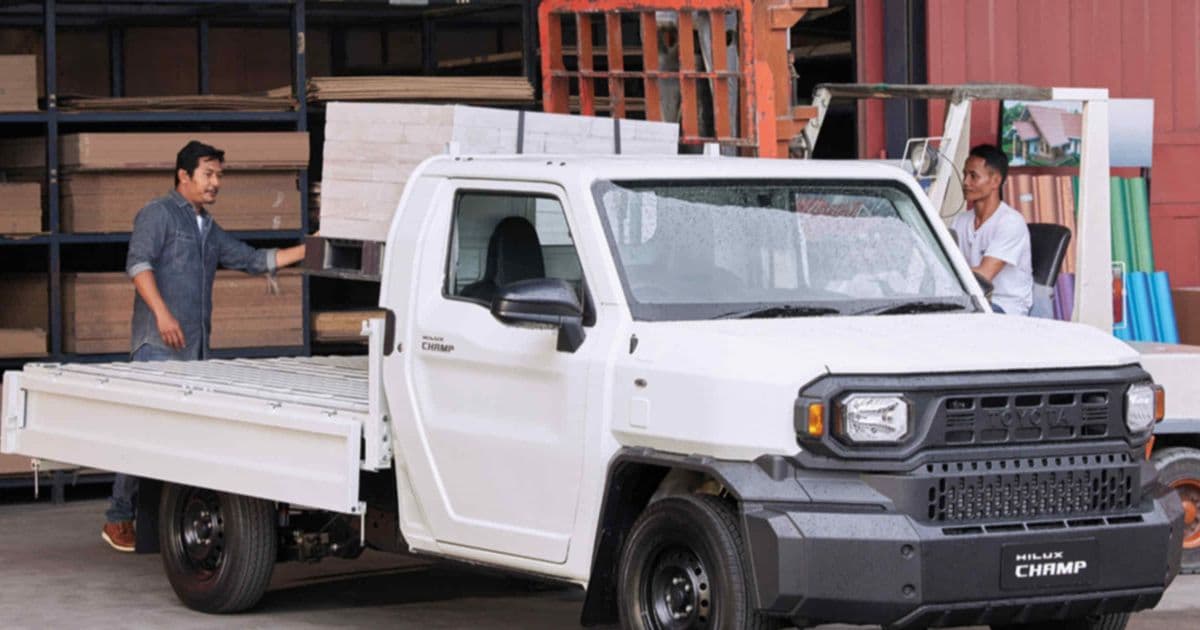
Toyota Motor is significantly expanding overseas production cuts due to the ongoing Iran war and resulting blockade of the Strait of Hormuz, which has disrupted vehicle distribution in the Middle East. The Japanese automaker plans to reduce output by approximately 83,000 vehicles by November, building on previous announced reductions, as geopolitical tensions continue to impact global supply chains.
Toyota Motor announced plans to significantly cut overseas production by approximately 83,000 vehicles by November 2026, an expansion of previous announced reductions, citing prolonged disruption to shipping routes in the Middle East due to the ongoing Iran war. The blockade of the Strait of Hormuz has created substantial challenges for vehicle distribution throughout the region, forcing the Japanese automaker to adjust its global production strategy.
The Strait of Hormuz, a critical chokepoint for global shipping through which approximately 20% of world's oil passes, has been partially blocked since early 2026 following escalating tensions in the region. This disruption has directly impacted Toyota's ability to distribute vehicles to Middle Eastern markets, particularly affecting sales of the company's IMV (Innovative Multi-purpose Vehicle) series, which includes popular models like the Hilux and Fortuner.
According to industry analysts, the production cuts represent a significant strategic adjustment for Toyota, which has historically maintained a global production network designed to respond to regional demand. The company's overseas production capacity currently stands at approximately 5.5 million vehicles annually, making the 83,000 reduction equivalent to roughly 1.5% of that capacity.
"This is a substantial but necessary adjustment given the unprecedented disruption to Middle Eastern distribution channels," said Kenji Tomita, automotive industry analyst at Nomura Research Institute. "Toyota's ability to quickly reconfigure its production network demonstrates the resilience built into their manufacturing system, though the prolonged nature of the Iran conflict presents ongoing challenges."
The production cuts will primarily affect Toyota's manufacturing facilities in Thailand, Indonesia, and India, which produce vehicles for export to Middle Eastern markets. The company has not indicated whether these production adjustments will result in temporary layoffs or workforce reassignment to other production lines.
The Iran war's impact extends beyond Toyota, with other Japanese automakers including Nissan and Honda also reporting distribution challenges in the Middle East. The Japanese auto industry collectively exported approximately 2.3 million vehicles to the Middle East in 2025, representing about 15% of total Japanese automotive exports to the region.
The geopolitical situation has prompted Toyota to accelerate development of alternative distribution strategies, including increased production in closer geographic markets and enhanced digital sales platforms. The company has also begun exploring more diversified shipping routes that avoid the Strait of Hormuz, though these alternatives often involve longer transit times and higher costs.
From a broader market perspective, the production cuts reflect the growing intersection of geopolitical risks and global supply chain management. The automotive industry, which has already grappled with semiconductor shortages and pandemic-related disruptions, now faces a new layer of complexity from regional conflicts that can rapidly alter global trade dynamics.
"Automakers are increasingly recognizing that geopolitical risk must be integrated into production planning at the strategic level," said Yasuhiro Yuki, professor of international business at Waseda University. "The Iran situation represents a test case for how global manufacturers can adapt to prolonged disruptions while maintaining operational efficiency."
For Toyota, the production adjustments come during a period of intense competition in the global automotive market, particularly from Chinese manufacturers like BYD. The company's leadership has emphasized the need to maintain flexibility in response to changing market conditions while continuing investment in electrification and autonomous driving technologies.
The Strait of Hormuz blockade has also impacted other industries, with shipping costs for routes passing through the region increasing by an estimated 40% since the conflict began. This broader economic pressure has prompted some Asian manufacturers to consider reshoring production or establishing multiple regional hubs to mitigate similar disruptions in the future.
As the Iran war shows no signs of resolution, Toyota and other global automakers will likely continue to adjust their production strategies in response to evolving geopolitical conditions. The company's ability to navigate these challenges while maintaining its market position will serve as an important case study for risk management in the increasingly complex global automotive industry.
Comments
Please log in or register to join the discussion