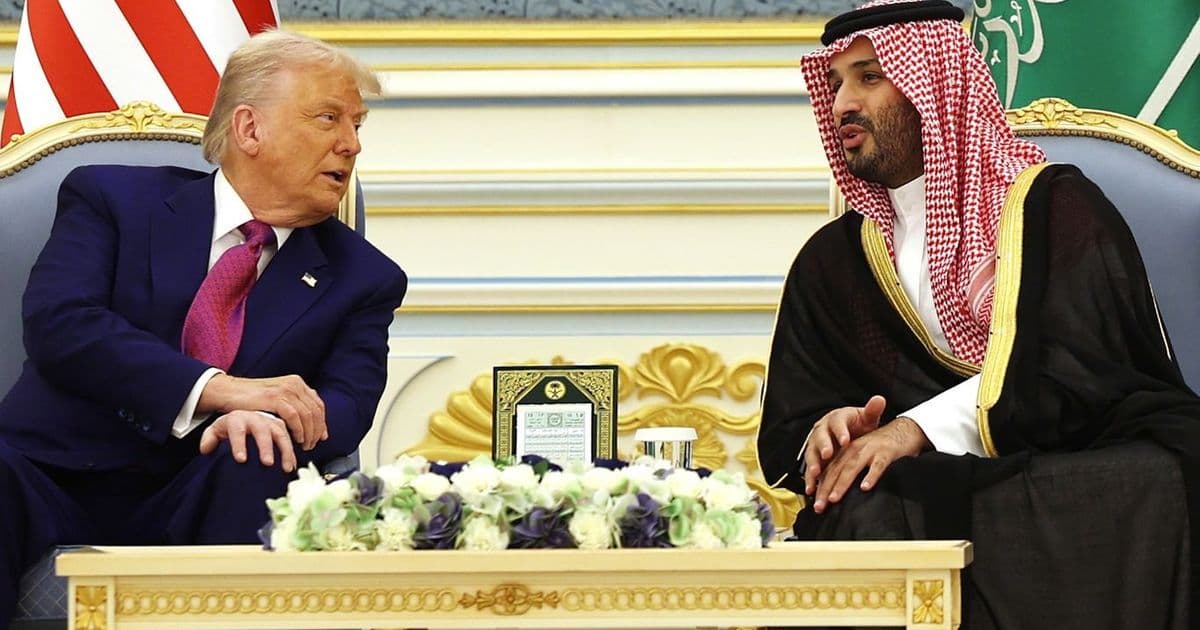
Former President Donald Trump is engaging with Arab and Muslim leaders to expand the Abraham Accords, seeking to normalize relations with Israel following potential resolution of conflicts with Iran. This diplomatic initiative carries significant economic implications, potentially reshaping Middle Eastern markets, energy partnerships, and investment flows across the region.
Former President Donald Trump is actively engaging Arab and Muslim leaders with a proposal to expand the Abraham Accords, the series of agreements that normalized relations between Israel and several Arab nations. According to reports, Trump has asked Muslim leaders to join these normalization efforts following the potential conclusion of conflicts with Iran.
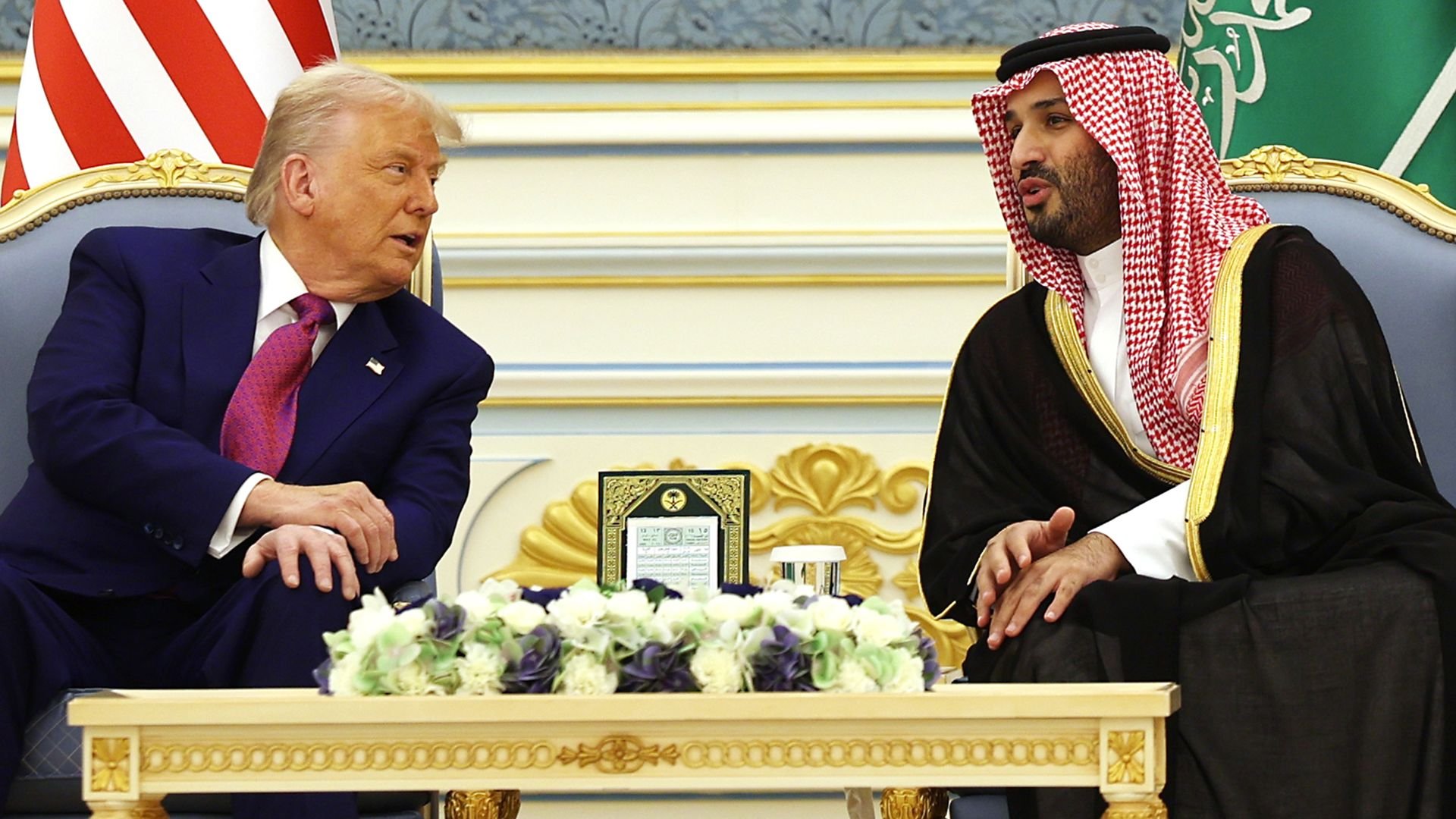
The Abraham Accords, originally brokered during Trump's first term, established diplomatic relations between Israel and the United Arab Emirates, Bahrain, Sudan, and Morocco. These agreements have already generated substantial economic benefits, with trade between Israel and the UAE reaching approximately $2.5 billion in 2022 alone, a 400% increase from pre-accord levels. Source
From a business perspective, the expansion of these accords could unlock new markets and investment opportunities across the Middle East. The normalization of relations has already facilitated joint ventures in technology, tourism, and infrastructure. For instance, the UAE's Tadawul stock market and the Tel Aviv Stock Exchange established a direct trading link in 2022, enabling cross-border investments without going through third markets.
The energy sector stands to gain significantly from expanded normalization. With Israel's natural gas reserves estimated at 920 billion cubic meters and Saudi Arabia's position as the world's largest oil exporter, closer relations could create integrated energy markets and new infrastructure projects. The East Mediterranean Gas Forum, which includes Israel, Egypt, Jordan, Palestine, and others, could expand to include additional Gulf states, potentially reshaping regional energy dynamics. Learn more about the EMGF
Market analysts suggest that expanded normalization could lead to increased foreign direct investment in the region. A 2023 report by the Middle East Economic Survey indicated that normalized relations could unlock between $100-150 billion in new investment across tourism, technology, and infrastructure sectors over the next decade.
The business implications extend beyond immediate economic gains. Companies like Microsoft, Google, and Amazon have already established regional hubs in both Israel and the Gulf states, with normalized relations potentially enabling more integrated operations and expanded market access. The technology sector, particularly in cybersecurity and fintech, could see increased collaboration between Israeli innovation and Gulf capital.
However, the expansion of these accords faces significant challenges. The Palestinian issue remains a sticking point for many Muslim-majority nations, and the timing of such expansion depends heavily on geopolitical developments in the region, particularly regarding Iran.
From a strategic business perspective, companies with operations in the region may need to navigate complex political sensitivities while positioning themselves to capitalize on potential opportunities. The normalization process could create both new markets and new regulatory considerations for multinational corporations.
The Abraham Accords have already demonstrated that economic cooperation can transcend political differences, and an expansion of these agreements could further integrate the Middle Eastern economy into global markets, potentially creating new investment vehicles and financial products that bridge previously disconnected markets. More on the Abraham Accords
Comments
Please log in or register to join the discussion