SK Hynix is building a massive advanced packaging facility in South Korea to meet insatiable AI demand, but consumers shouldn't expect price relief anytime soon.
The memory industry is undergoing a fundamental realignment driven by artificial intelligence, and SK Hynix's latest announcement makes that crystal clear. The company plans to invest 19 trillion Korean won—approximately $13 billion—in a new advanced packaging and test facility called P&T7 at the Cheongju Technopolis Industrial Park in South Korea. Construction begins in April 2026, with the facility targeted for completion by the end of 2027.
This isn't just another factory expansion. The P&T7 facility represents a strategic response to what SK Hynix describes as an expected 33% annual growth in high-bandwidth memory demand between now and 2030. That growth is being driven almost entirely by the AI infrastructure boom, where companies are spending billions on datacenter GPUs and AI accelerators that require specialized memory solutions.
Why HBM Is Different (and Expensive)
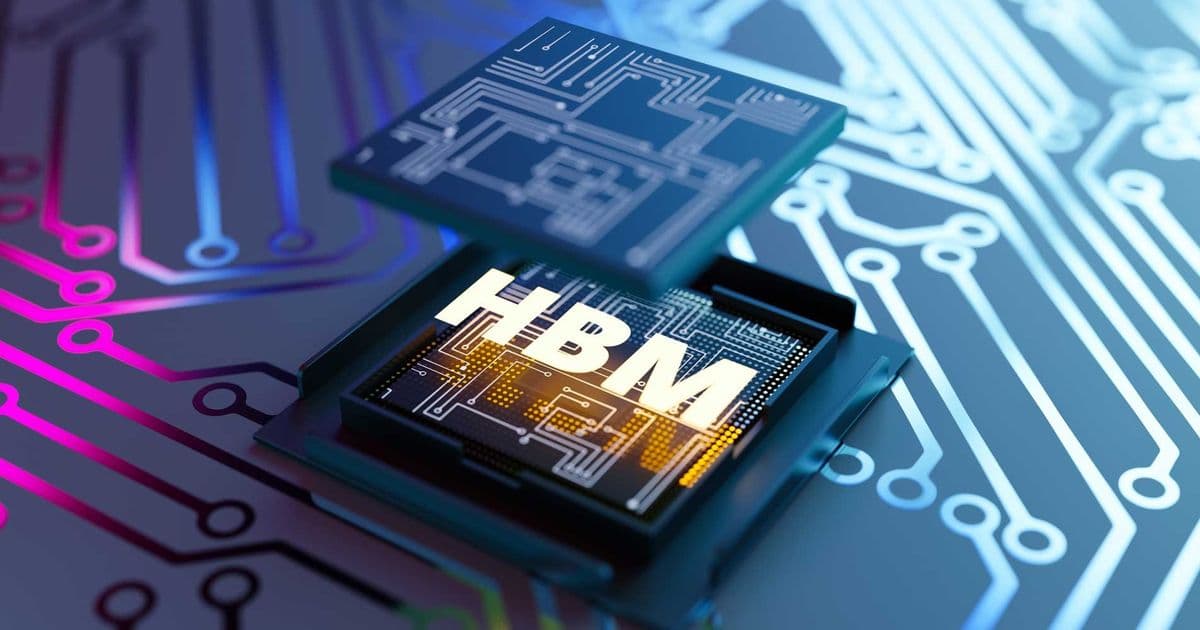
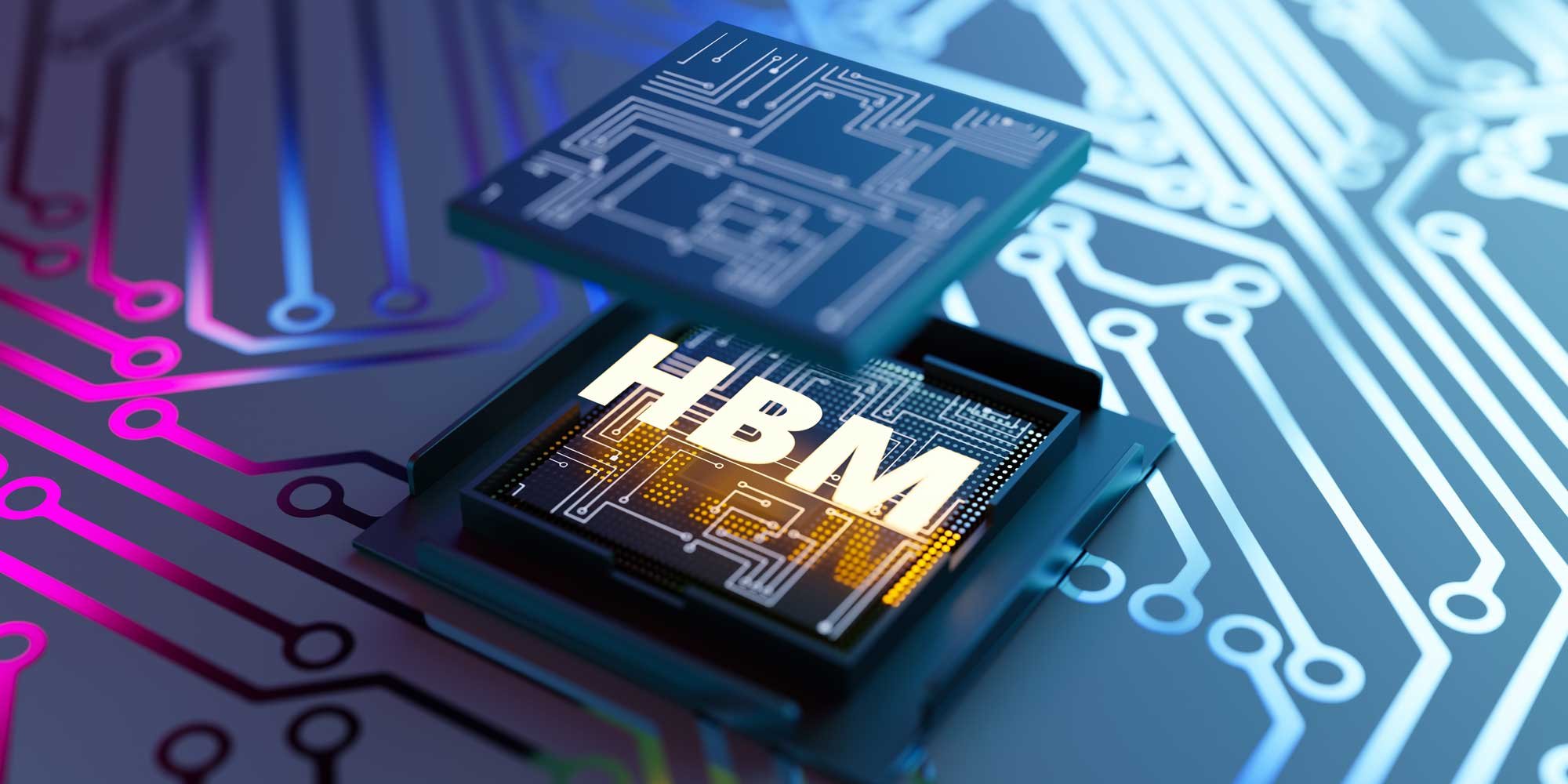
High-bandwidth memory represents a radical departure from traditional DRAM packaging. Instead of placing memory chips side-by-side on a circuit board, HBM stacks multiple layers of DRAM vertically—typically eight or twelve layers—using through-silicon vias (TSVs) to connect them. This three-dimensional approach delivers dramatically higher capacity and bandwidth while reducing power consumption, which is critical for AI workloads that move enormous amounts of data.
The manufacturing challenges are substantial. A single microscopic defect in any one of those stacked layers can render the entire module worthless. The stakes are even higher when you consider that HBM modules are permanently co-packaged with compute logic due to their extreme data rates—up to 2.75 terabytes per second in the latest generation. This means a defective HBM module could potentially scrap a $50,000 GPU.
Specialized packaging and test facilities like P&T7 are therefore essential for producing HBM at volume. The process requires precision equipment, clean-room environments, and sophisticated testing protocols that can verify each layer functions correctly before final assembly. SK Hynix has been preparing for this ramp-up through its M15X DRAM plant, which opened its clean room in October 2024 and is now deploying fabrication equipment.
The Consumer Disconnect
While this investment represents good news for AI hardware vendors like AMD and Nvidia—two of SK Hynix's largest HBM customers—it does little to address the memory price crisis affecting consumers and businesses.
DDR5 memory kits that cost less than $100 a year ago are now selling for over $300. This price surge stems from a DRAM and NAND shortage that has memory vendors prioritizing high-margin HBM production over consumer memory. The economics are simple: HBM modules command premium pricing because they're essential for AI accelerators, while consumer memory is a commodity market.
Analysts expect DRAM prices to peak later this year before plateauing in 2027, then rising again in 2028. Memory manufacturers are already reaping the benefits. Samsung recently revised its Q4 forecast to predict operating profits more than triple year-over-year, while Micron and SK Hynix expect their profits to more than double.
What This Means for the Industry
The P&T7 facility signals that memory manufacturers are betting heavily on continued AI infrastructure investment. The 33% annual growth projection suggests they believe the AI boom isn't slowing down, even as some question whether current spending levels are sustainable.
For datacenter operators and AI hardware companies, this additional capacity should help ease the HBM supply constraints that have limited GPU shipments. But for anyone hoping for affordable memory upgrades for their PC or laptop, the message is clear: the memory industry has moved on to higher-value customers, and consumer pricing won't return to pre-AI levels anytime soon.
The Cheongju facility will join SK Hynix's existing packaging operations, but its scale and specialization for HBM production represent a doubling-down on the AI market. As the 2027 completion date approaches, the memory industry's transformation from consumer-driven to AI-driven will only accelerate, leaving traditional memory buyers to navigate an increasingly expensive landscape.
Comments
Please log in or register to join the discussion