Apple captured 25% of global smartphone shipments in late 2025 while Samsung leveraged budget models to maintain second place, signaling continued premium demand amid component cost pressures.
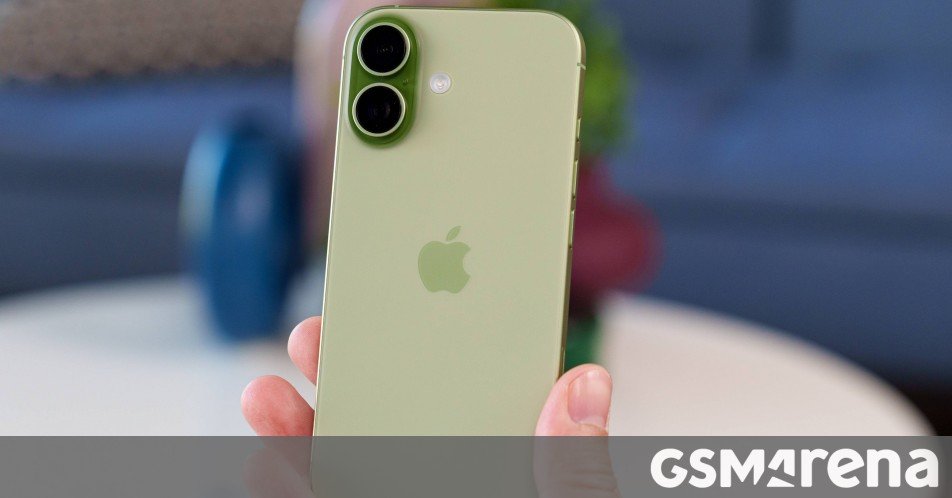
Global smartphone shipments increased by 4% year-over-year in Q4 2025, according to preliminary data from research firm Omdia. This marks continued recovery in the mobile market despite rising component costs, with Apple emerging as the dominant player capturing a record 25% market share - meaning one in every four smartphones shipped worldwide was an iPhone.
Apple's iPhone 17 series drove this performance, maintaining strong demand since its September launch. While the premium iPhone 17 Pro models saw healthy adoption, the base iPhone 17 model proved particularly significant as Apple's volume driver. The device combines Apple's A-series processor with iOS 19 features at a relatively accessible price point compared to Pro variants. This strategy capitalizes on Apple's ecosystem advantages including iCloud synchronization, AirPods integration, and cross-device continuity that encourages brand loyalty.
Samsung secured second place with 18% market share, though its approach contrasted sharply with Apple's premium focus. Nearly 70% of Samsung's shipments came from devices priced under $300, with the Galaxy A17 4G and A17 5G identified as key volume drivers. These models offer features like 90Hz displays and multi-day battery life while running Android 15 with Samsung's One UI overlay. Their popularity highlights how manufacturers can succeed in challenging markets through aggressive pricing and feature segmentation.
Chinese manufacturers followed with Xiaomi at 11% market share, while vivo and Oppo each captured 8%. This reflects ongoing challenges for mid-tier brands in balancing hardware costs against consumer expectations for premium features at value prices.
Looking ahead, analysts warn that rising memory costs and potential component shortages could impact 2026's market dynamics. This may disproportionately affect budget-focused manufacturers like Samsung's A-series division and Chinese brands. Component inflation could force price increases in entry-level segments or accelerate industry consolidation around manufacturers with stronger supply chain partnerships.
The shipment patterns reveal two distinct market realities: Apple's premium ecosystem continues to command exceptional loyalty despite higher prices, while Android's volume depends heavily on delivering flagship-like features at accessible price points. This divergence suggests manufacturers must increasingly specialize in either premium integration or value engineering to maintain competitiveness.
Comments
Please log in or register to join the discussion