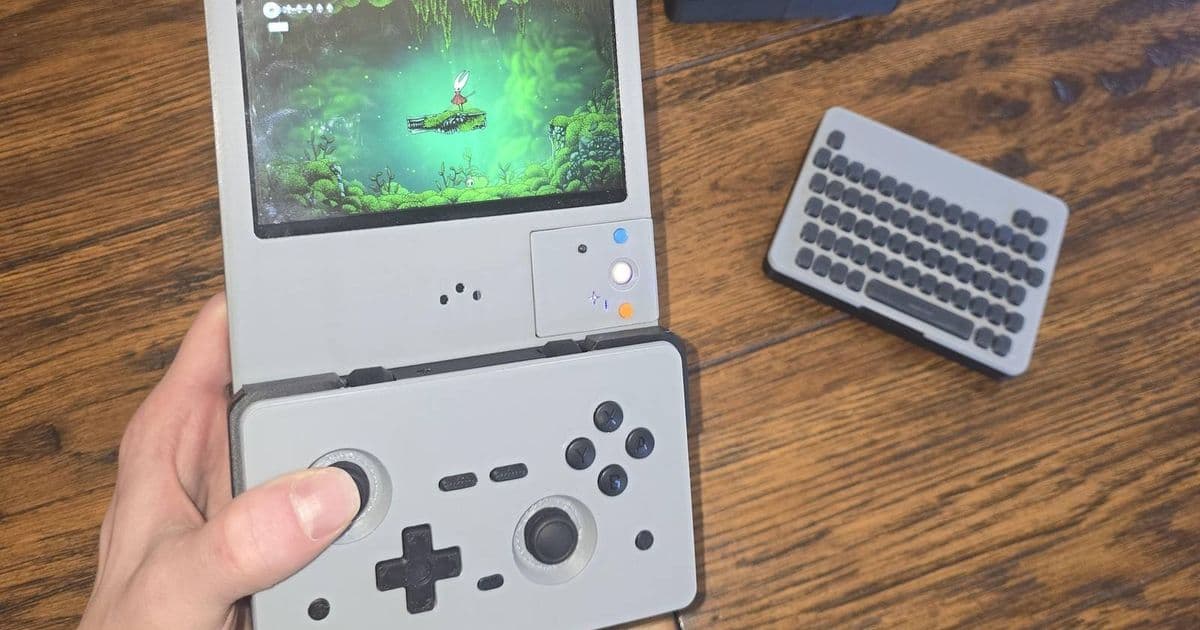
The CG Deck is a hand-built x86 handheld with hot-swappable input modules, a keyboard, a gamepad, an 11-key pad with a rotary knob, and dual-boot support for Windows and Linux. The engineering prototype works, and an open-source release plus a Kickstarter are on the way.
A Reddit user going by ZCTMO has posted something that scratches a very specific itch for portable PC builders. Sharing their work on the Linux subreddit, they showed off the first working prototype of the CG Deck, a handheld x86 PC that dual-boots Windows and Linux and lets you physically swap out its input devices depending on what you are doing.
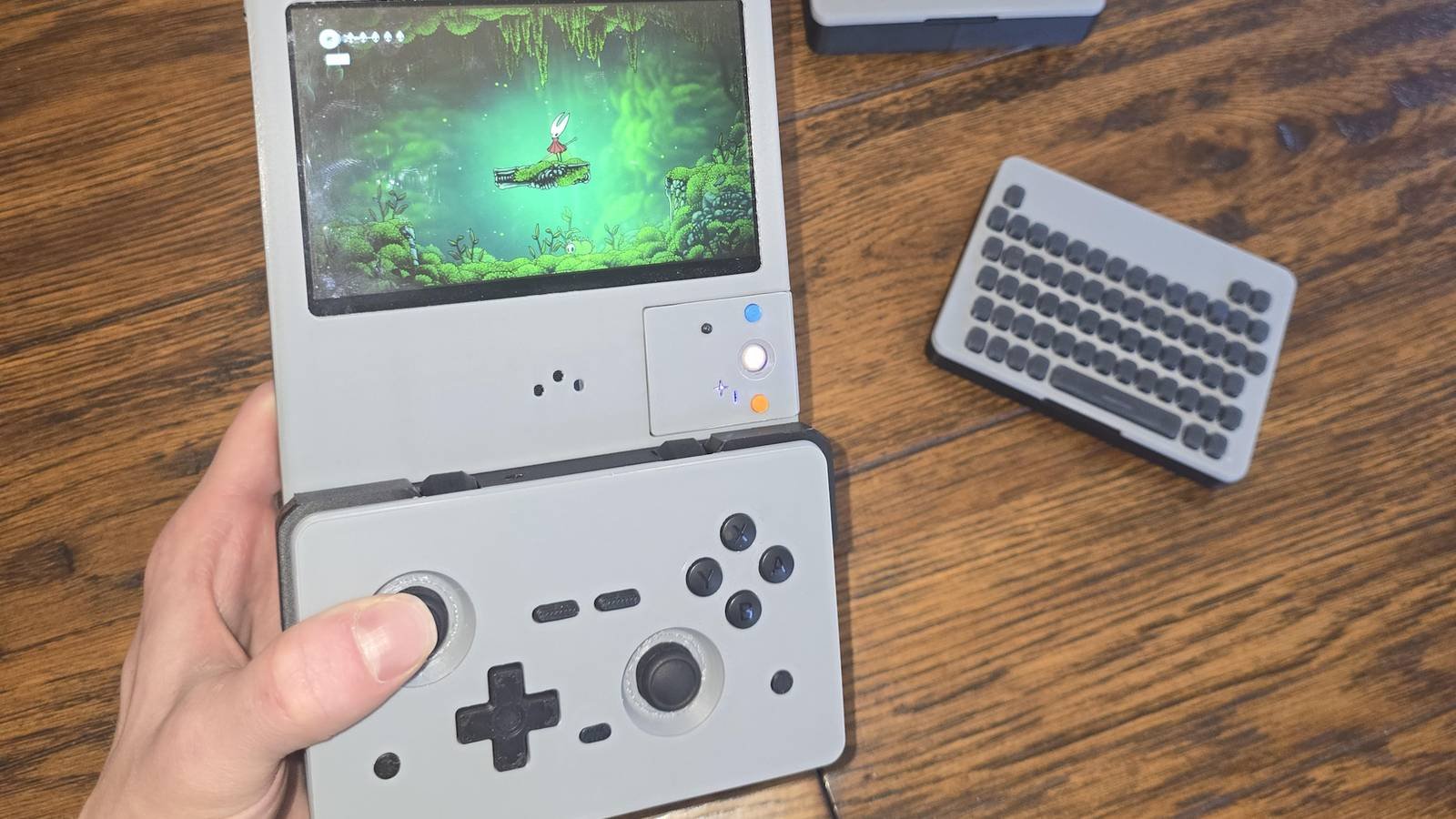
The pitch is simple enough to explain in one sentence and hard enough to execute that almost nobody ships it: a single portable computer that can be a gamepad-driven console one minute and a keyboard-and-knob workstation the next. The modularity is not a software trick or a clip-on accessory. The CG Deck has two physical module slots, a primary and a secondary, and each accepts a different class of input hardware that you slide in and out.
What's actually in the box
ZCTMO has built four modules so far. The primary slot currently accepts a 64-key rubber keyboard module, an 11-key pad paired with a rotary knob using hot-swap key sockets, and a gamepad controller module. The hot-swap sockets are a nice detail, because they mean the 11-key module is not locked into one switch type. You can pull individual switches and drop in whatever feels right, the same way enthusiast mechanical keyboards work.
That 11-key-plus-knob configuration is the part that signals who this is really for. A rotary encoder next to a small cluster of keys is the input layout you reach for in creative and CAD tools, scrubbing a timeline, adjusting a value, orbiting a model. ZCTMO specifically calls out using the device for CAD work in Blender, which is a very different job from twin-stick gaming, and the whole point of the modular slots is that the same chassis covers both without compromise.
Why x86 and dual-boot matter here
The x86 choice is the load-bearing decision in this project. Plenty of handhelds run ARM chips and a locked-down OS, and they are fine for what they are. An x86 core is what makes the dual-boot claim meaningful: it is the same instruction set your desktop runs, so you boot standard Windows and standard desktop Linux, not a stripped console fork. That is the difference between running the actual Blender build you use at your desk and hoping a mobile port exists.
Dual-booting is doing real work in this design rather than acting as a spec-sheet bullet. Windows remains the path of least resistance for the broadest game library and for proprietary creative software with no Linux build. Linux, meanwhile, is where handheld PCs have quietly gotten very good, thanks to the groundwork Valve laid with SteamOS and Proton. Having both on one device means you pick the OS per task instead of per purchase, and the modular inputs map cleanly onto that split: gamepad into SteamOS for an evening, keyboard module into Windows or Linux for actual work.
The honest state of the prototype
ZCTMO is upfront that this is an engineering prototype, not a finished product. It works, but there are rough edges and more work to do before it is something you would hand to a stranger. That framing is worth taking at face value. A working dual-boot x86 handheld with swappable, hot-socket input modules is a serious amount of mechanical, electrical, and firmware integration for a solo project, and the gap between a functioning prototype and a manufacturable unit is usually where these efforts stall.
The plan from here is a Kickstarter campaign alongside an open-source release of the design. The open-source part is the more interesting promise for developers. If the schematics, board layouts, and module specifications go public, the slot system becomes a platform other people can build for. A community that can design its own primary and secondary modules, a MIDI controller, a numpad, a second trackball, is a far more durable thing than a single shipped product. It is the same dynamic that made open hardware keyboards and the Framework laptop ecosystem stick: the value compounds when the interface is documented and anyone can extend it.
What to watch for
If you are tempted to back this when the Kickstarter lands, the questions to ask are the same ones that decide whether any small-batch hardware survives contact with reality. What is the actual x86 SoC, and what does its thermal and battery profile look like in a handheld enclosure? How standardized is the module connector, electrically and mechanically, and is that interface part of the open-source release? Is there driver and firmware support for hot-swapping inputs while the OS is running, or does a module change mean a reboot?
None of that diminishes what has been shown. A single person built a modular, dual-boot, x86 handheld that runs, and intends to open the whole thing up. Whether or not the Kickstarter delivers polished units, a documented module interface would give the DIY portable PC scene something it has not really had: a shared, extensible chassis to design around.
Comments
Please log in or register to join the discussion