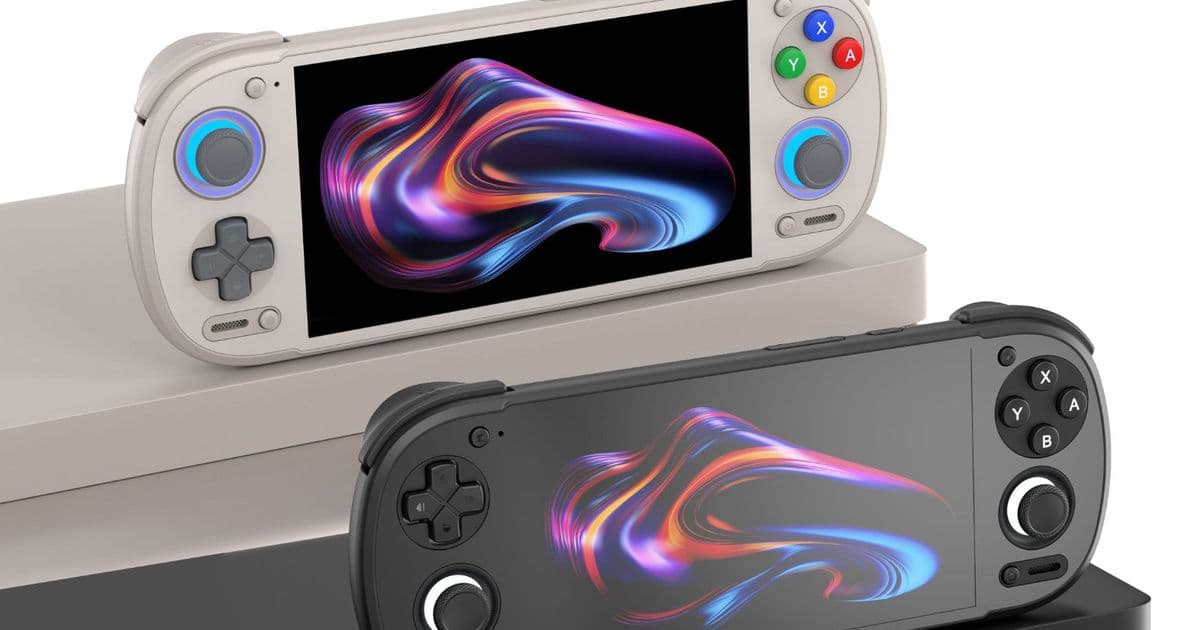
Retroid reversed course on killing the 12GB RAM Pocket 6, but the revived version cuts storage from 256GB to 128GB while holding the same $279 price. Here's what changed and whether the trade-off makes sense for a $279 Android handheld.
Retroid pulled the 12GB RAM version of its Pocket 6 off the shelves a few months back, blaming the cost of memory and storage chips. That version is back now, announced quietly on the company's official Discord, but it returns with a different configuration that changes the value math.
What's new
The headline is that 12GB of RAM is once again an option on the Pocket 6. The catch is storage. The original 12GB model shipped with 256GB; the revived version drops to 128GB of UFS 3.1. The price stays put at $279, so you are paying the same money for half the onboard storage. UFS 3.1 is still quick enough for fast game loads and OS responsiveness, and on a handheld emulator the storage tier matters less than capacity, since you are reading ROMs and disc images rather than hammering the drive with random writes. The bigger question for buyers is how many systems and how large a library you plan to carry. PS2, GameCube, and Wii libraries eat space fast, and 128GB fills up quicker than you would expect once you move past 8 and 16-bit collections. A microSD slot softens the blow, but internal storage is always the faster and more reliable place for your most-played titles.
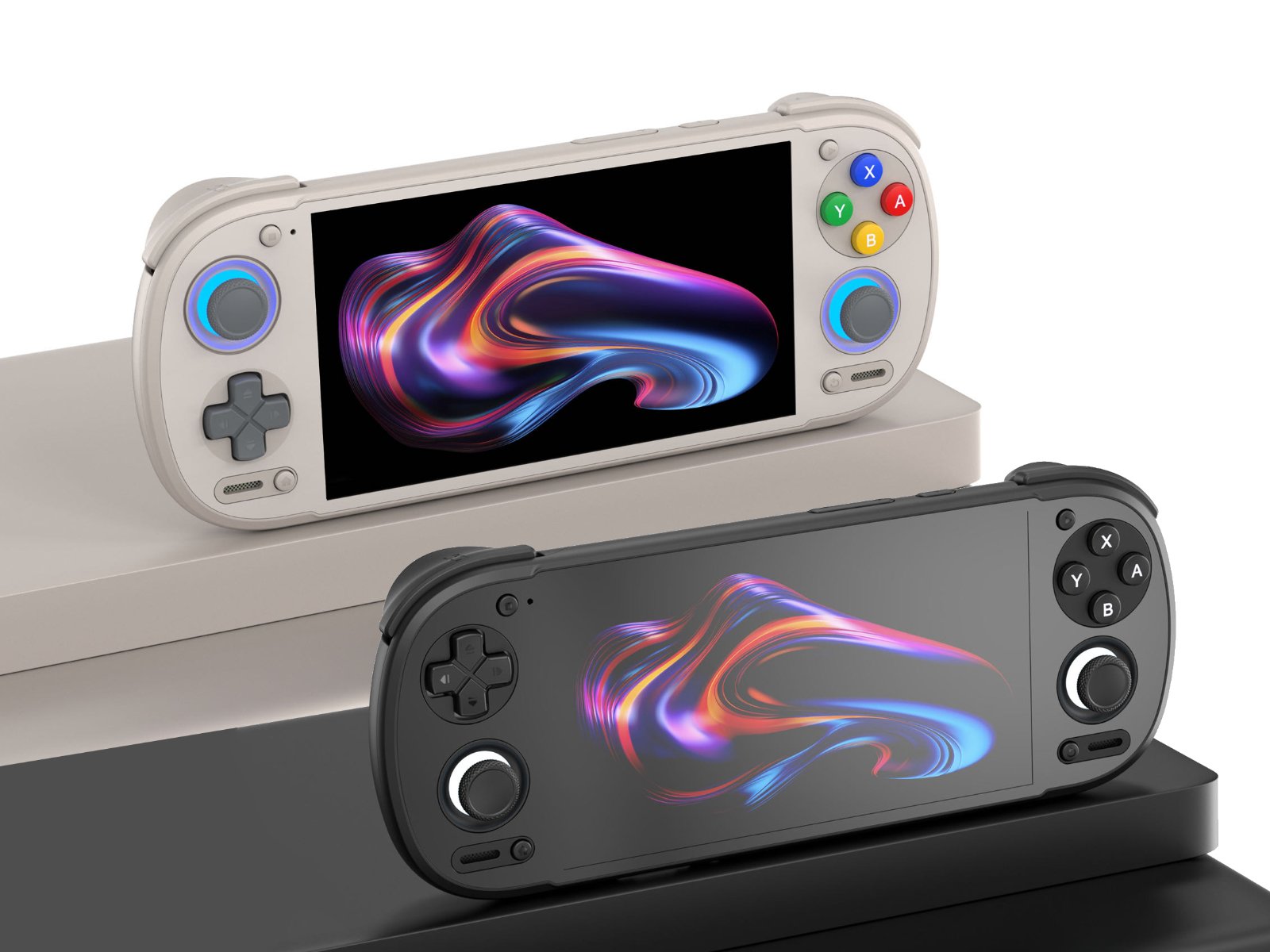
There is a second restriction worth knowing before you buy. The 12GB version only comes in the Stick Top layout, meaning asymmetrical thumbsticks with the left stick sitting above the D-pad. If you prefer the symmetrical D-pad Top arrangement, where the D-pad sits up top and both sticks line up along the bottom in a more PlayStation-style layout, you are stuck with the 8GB RAM model. That is a real fork in the decision tree, because control ergonomics on a handheld are not a spec-sheet afterthought. Players coming from a DualShock muscle memory tend to want the symmetrical layout, while Xbox and Switch Pro users often find the offset sticks more natural.
{{IMAGE:2}}
How it compares
Against its own predecessor, the new unit is a sidegrade dressed as a comeback. You get the same RAM ceiling and the same price, but you give up 128GB of storage and lose color choice. The discontinued model came in a wider spread of finishes, while the revived 12GB build is limited to three colors: Silver, 16Bit, and Black. The Orange and Light Purple variants did not make the cut this time, so anyone who wanted a louder finish is out of luck unless they drop to the 8GB tier.
The more interesting comparison is against the competition in the $250 to $350 Android handheld bracket, where the AYN Odin 3 and the AYN Thor sit as the obvious rivals. Those devices lean on newer Snapdragon silicon and larger displays, and both are currently shipping through pre-order batches. That is where Retroid lands a practical win. The company says the new 12GB Pocket 6 is in stock and ready to ship rather than queued behind a pre-order wave. For a buyer who wants a device in hand this month instead of waiting on an allocation, immediate availability is worth more than a slightly higher benchmark score that you cannot use yet. Availability is still limited to the official Retroid website, so there is no retail or third-party channel to shop around.
Who it's for
The 12GB plus 128GB Pocket 6 makes sense for a specific buyer: someone who wants the extra memory headroom for demanding emulators and heavy multitasking, who is comfortable with the Stick Top control layout, and who plans to lean on a microSD card for the bulk of their library rather than internal storage. The extra 4GB of RAM over the base model genuinely helps with the heavier Android frontends and the more memory-hungry PS2 and GameCube cores, so this is not a meaningless bump.
If you care more about a big local library or you specifically want the symmetrical D-pad Top layout, the 8GB RAM version remains the better fit, and you keep your color options open. The revived 12GB model is a reasonable choice rather than an obvious upgrade, and the right pick comes down to whether RAM or storage and ergonomics matter more to how you actually play.
Comments
Please log in or register to join the discussion