
Local governments in Hwacheon, South Korea and Yulin, Taiwan are successfully reversing population decline through aggressive subsidies for childbirth, education, and housing that have boosted birth rates and attracted young families.
Local governments in South Korea and Taiwan are pioneering aggressive family-support policies that are reversing population decline in their regions, offering a potential model for other areas facing demographic challenges.
In Hwacheon County, South Korea, a community of just 23,000 residents that was once deemed at risk of extinction by the central government has become a surprising success story. The county has implemented comprehensive support systems including substantial subsidies for childbirth costs and university tuition that have helped boost its birth rate and attract young families.
The approach in Hwacheon represents a broader trend across South Korea, where local governments are stepping in to address national demographic challenges. South Korea has long struggled with one of the world's lowest fertility rates, but recent data shows the country's fertility rate has risen for the second consecutive year as marriages increase.
Across the Taiwan Strait, the city of Yulin has adopted similar strategies. Local officials there have implemented their own package of family-friendly policies designed to encourage population growth and regional revitalization. While specific details of Yulin's programs weren't provided in the report, the parallel efforts with Hwacheon suggest a regional recognition that demographic decline requires local solutions.
These initiatives come at a critical time for both countries. Japan's number of babies born has marked record lows for ten straight years, while China's population decline continues to deepen as birth rates hit new lows. The success of Hwacheon and Yulin could provide valuable lessons for other Asian regions facing similar demographic pressures.
The economic implications are significant. As local governments invest in supporting young families, they're not only addressing immediate population concerns but also building the tax base and workforce needed for long-term regional sustainability. The approach represents a shift from national-level policy to localized, targeted interventions that directly address community-specific challenges.
While it remains to be seen whether these local successes can be scaled nationally or replicated in other regions, the early results from Hwacheon and Yulin suggest that aggressive, well-funded family support policies can indeed reverse population decline when implemented effectively at the local level.
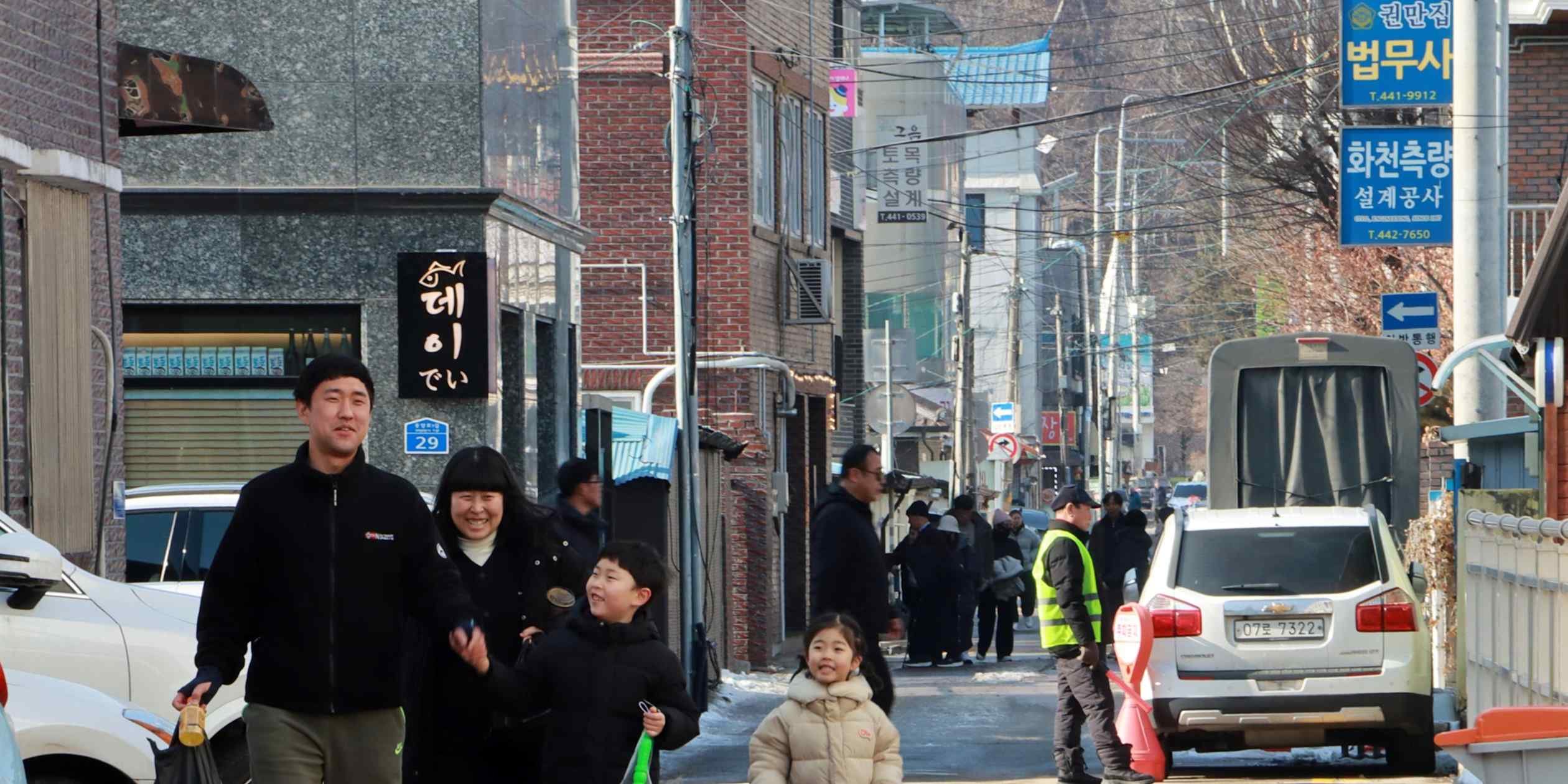
The featured image shows Hwacheon County, highlighting the rural setting where these population revitalization efforts are taking place. The visual context underscores how even small, remote communities are taking innovative approaches to demographic challenges that affect much of East Asia.
Comments
Please log in or register to join the discussion