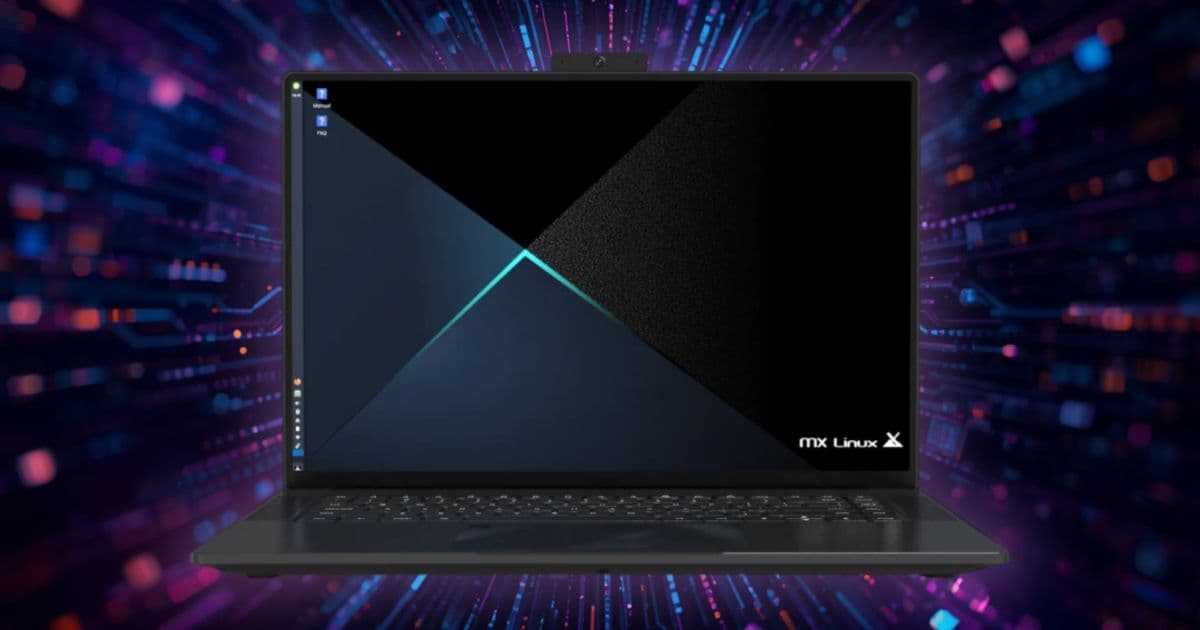
UK-based startup Star Labs Systems has finally released its highly anticipated StarFighter Linux laptop family after multiple production delays, featuring Intel and AMD processor options, premium displays, and substantial RAM configurations.
Star Labs Systems, a UK-based Linux hardware startup, has officially launched the StarFighter laptop family, marking a significant entry into the premium Linux laptop market. After a tumultuous development cycle spanning over three years, the company has delivered a high-performance Linux laptop with competitive specifications that directly address the growing demand for open-source system hardware.
Technical Specifications and Architecture
The StarFighter laptop family offers three distinct configuration tiers, catering to different user needs and budgets. The base model begins at $1,878 and features:
- 16-inch 165Hz QHD (2560×1440) matte display
- Intel Core Ultra 5 125H processor
- 32GB of LPDDR5x memory
- Configurable storage options
The mid-tier configuration upgrades to:
- Intel Core Ultra 9 285H processor
- 4K 120Hz matte display
- 64GB of LPDDR5x RAM
- Priced at $2,843
The AMD-powered option includes:
- AMD Ryzen 7 8845HS processor
- 4K 120Hz matte display
- 64GB of LPDDR5x RAM
- Same pricing as the Intel Ultra 9 model
The Intel Core Ultra 5 125H and Ultra 9 285H processors represent Intel's latest mobile architecture, built on the Intel 4 process node. These chips feature a hybrid performance-core (P-core) and efficient-core (E-core) design, with the 125H containing 6 performance cores and 8 efficient cores, while the 285H offers 8 performance cores and 16 efficient cores. Both chips include Intel's integrated Xe GPU, which provides adequate graphics performance for most productivity tasks and light gaming.
The AMD Ryzen 7 8845HS, built on TSMC's 4nm process node, features 8 Zen 4 cores and 16 threads, with a Radeon 780M integrated GPU based on the RDNA 3 architecture. This configuration offers competitive performance, particularly in multi-threaded workloads and graphics-intensive applications.
A notable design consideration is the use of soldered LPDDR5x memory across all configurations. While this allows for higher memory bandwidth and thinner designs, it eliminates the possibility of future RAM upgrades. Users must select their required memory capacity at the time of purchase. The storage, however, remains user-upgradable, offering flexibility for future expansion.
Manufacturing Challenges and Supply Chain Context
The StarFighter's journey to market has been anything but straightforward, revealing the complexities faced by hardware startups in today's semiconductor supply chain. The project was first announced on the r/linuxhardware subreddit in November 2022, with initial projections of a three-to-four-month delivery timeline for pre-orders.
By February 2023, the timeline had already slipped by an additional four to five months, with growing concerns from community members about Star Labs' ability to deliver. The company operates from a rural location in England, approximately 30 miles southeast of London, which presents unique logistical challenges compared to established manufacturers in major tech hubs.
The most significant setback occurred when Star Labs encountered production issues with their initial manufacturing partner. This forced a return to their original supplier, causing further delays. In July 2025, the company issued an apology to customers who had pre-ordered in January 2025, projecting a delivery timeline of three to five months from that date.
The first batch of StarFighters finally arrived in January 2026, approximately six months behind schedule for early pre-order customers. This extended development cycle highlights the difficulties small hardware companies face when navigating semiconductor supply constraints, manufacturing quality control, and production logistics.
Market Implications and Competitive Landscape
The StarFighter enters a growing but still niche market of Linux-focused laptops, competing directly with established players like Framework, Tuxedo Computers, and Slimbook. The premium positioning—with prices starting at $1,878—positions Star Labs in the higher end of this specialized market segment.
The laptop's significance extends beyond its technical specifications. As gaming platforms like Steam continue to expand their Linux compatibility, there's an increasing demand for hardware specifically designed and optimized for Linux environments. The StarFighter addresses this need by offering a laptop with comprehensive Linux support out of the box, eliminating the driver and compatibility issues that often plague Linux installations on conventional hardware.
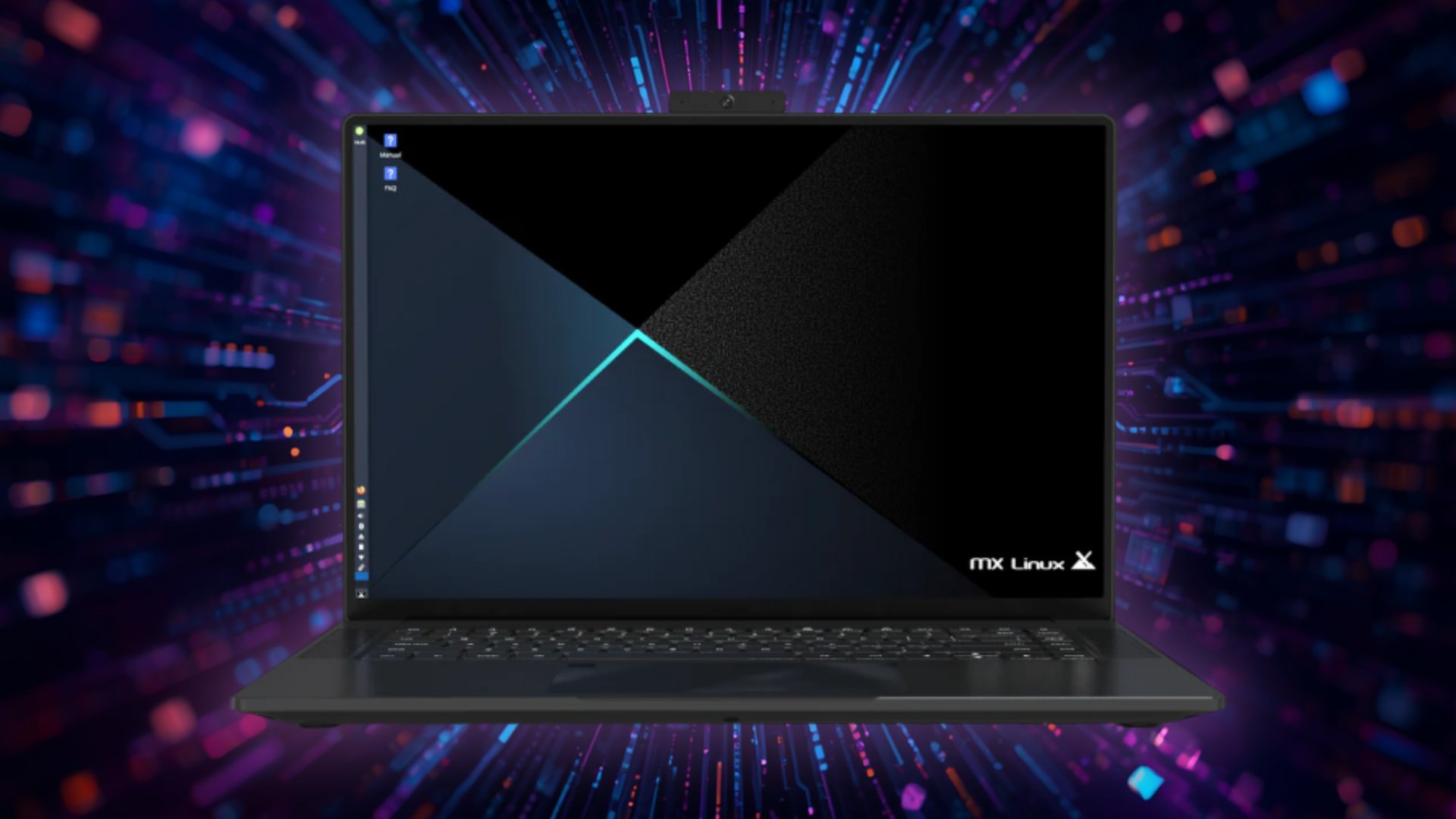 The StarFighter laptop represents Star Labs Systems' entry into the premium Linux laptop market.
The company's focus on premium materials and high-quality displays reflects an understanding that Linux professionals and enthusiasts often require reliable, high-performance hardware for development, content creation, and increasingly, gaming. The inclusion of both Intel and AMD processor options provides users with choice based on their specific performance requirements and software compatibility needs.
The soldered RAM decision, while limiting future upgradability, aligns with industry trends toward thinner, more power-efficient designs. LPDDR5x memory offers approximately 30% better power efficiency compared to previous generations, which is particularly important for extending battery life in high-performance laptops.
Conclusion
The StarFighter laptop family marks an important milestone for both Star Labs Systems and the Linux hardware ecosystem. Despite the significant production delays, the final product offers compelling specifications that should satisfy the needs of Linux professionals and enthusiasts seeking premium hardware.
The challenges faced during development highlight the ongoing difficulties in the semiconductor supply chain, particularly for smaller manufacturers without established relationships with component suppliers. Star Labs' perseverance through these obstacles demonstrates the determination of the open-source hardware community to create alternatives to mainstream offerings.
As the laptop becomes available to the general public, its reception will likely determine whether Star Labs can establish itself as a serious contender in the premium Linux laptop market. The company's ability to deliver consistent quality and timely support will be crucial in building trust with customers who have already endured extended wait times.
For more information on the StarFighter laptop family, visit Star Labs Systems' official website. The company has also shared additional details about their development journey in their production update blog posts, providing insights into the challenges of bringing a Linux laptop to market in the current climate.
Comments
Please log in or register to join the discussion