
SpaceX's Starlink Mobile 5G service aims to deliver 150 Mbps download speeds directly to phones via space-based cell towers, expanding coverage to northern latitudes and competing with terrestrial carriers.
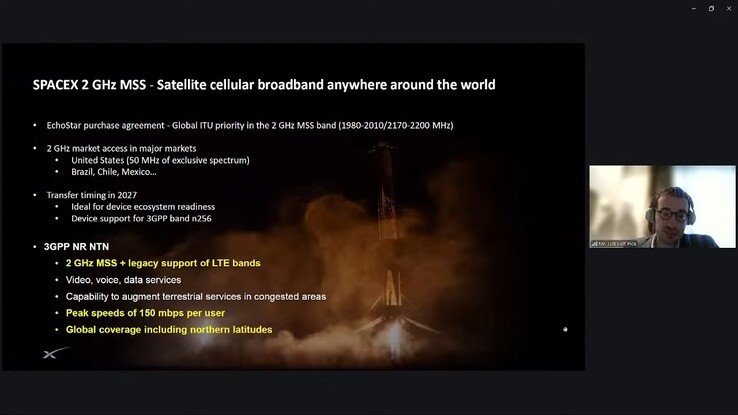
SpaceX is planning to launch a standalone Starlink Mobile 5G network that could deliver download speeds of up to 150 Mbps directly to smartphones, according to recent presentations at an ITU panel. This ambitious plan would see the company deploy thousands of direct-to-cell satellites capable of providing 5G connectivity to users on the ground, effectively creating "cell phone towers in the sky" that could rival traditional carriers like T-Mobile and Verizon.
The service represents a significant evolution from Starlink's initial emergency connectivity offerings. While the company previously suggested it would provide 4G LTE speeds to complement existing networks, it now appears ready to deliver true 5G performance. The 150 Mbps target is notably higher than the 100 Mbps speeds mentioned during earlier discussions of the concept.
To achieve this, SpaceX is developing V3 direct-to-cell satellites that will be substantially more capable than current models. When their solar panel "wings" are unfurled, these satellites will be the size of a Boeing 737 and offer 20 times the throughput capacity of existing V2 D2C satellites. Each V3 satellite will provide 1 Tbps download speed and 160 Gbps of uplink capacity, enabling the high-speed mobile service.
The company has already secured permits to launch up to 15,000 direct-to-cell satellites in low Earth orbit, a massive increase from the current fleet of approximately 650 satellites. However, these advanced V3 satellites will require SpaceX's Starship 3 rocket for deployment, meaning the service won't launch until the next-generation launch vehicle is operational.
A key advantage of the Starlink Mobile 5G service will be its ability to provide coverage in areas that traditional carriers often neglect. The combination of Mobile Satellite Services (MSS) spectrum at the 2 GHz band and ITU spectrum will allow the service to reach "northern latitudes," including arctic and subarctic regions where terrestrial infrastructure is sparse or nonexistent.
SpaceX is also working with major mobile chipset manufacturers including Qualcomm, MediaTek, and Samsung to ensure phones can connect directly to Starlink satellites. This collaboration focuses on developing support for the 3GPP band n256, which will be crucial for the service's success.
While pricing details remain undisclosed, the company is considering various subscription models including long-term contracts, short-term plans, and even day passes. This flexibility could make the service attractive for both permanent residents in underserved areas and temporary users who need reliable connectivity while traveling.
The timing of the service launch aligns with broader industry trends toward enhanced satellite connectivity in mobile devices. As smartphone manufacturers increasingly integrate satellite communication capabilities, SpaceX's direct-to-cell approach could provide a more seamless and higher-performance alternative to existing emergency messaging services.
With the acquisition of EchoStar's DISH spectrum expected to close by the end of 2027, SpaceX is positioning itself to become a major player in the mobile telecommunications market. The combination of high speeds, broad coverage, and direct satellite connectivity could fundamentally change how people access mobile data, particularly in regions where traditional 5G infrastructure deployment is economically challenging.

Comments
Please log in or register to join the discussion