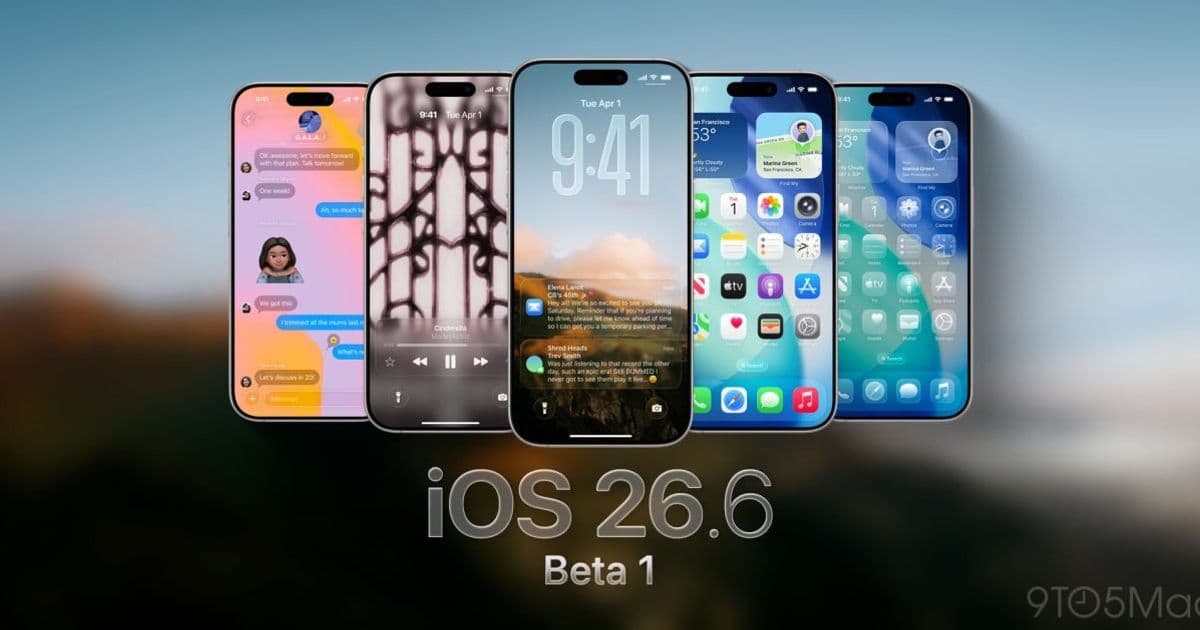
Apple has released the first developer beta of iOS 26.6, a minor update that follows iOS 26.5 and precedes the major iOS 27 announcement at WWDC. This article examines what developers should expect from this beta, its place in Apple's release cycle, and how it might impact their current applications.
Apple has released the first developer beta of iOS 26.6, continuing its regular software update cycle for iPhone. This beta arrives shortly after the official release of iOS 26.5, which introduced several enhancements including new wallpapers for iPhone users. As developers prepare for the upcoming WWDC in June where iOS 27 will be unveiled, iOS 26.6 represents a final iteration in the current iOS 26 branch.
Platform Update Details
iOS 26.6 beta 1 is now available to registered developers through Apple's Developer portal. The update comes as a standard over-the-air (OTA) update for devices already running the iOS 26.5 developer beta, or can be downloaded directly from the Developer Center for clean installations.
Based on Apple's typical release patterns, iOS 26.6 is expected to be a relatively minor update focusing on:
- Bug fixes and performance improvements
- Security patches and vulnerability mitigations
- Potential refinements to existing features in iOS 26.5
- Underlying framework updates that don't introduce new public APIs
The timing of this beta is noteworthy. Compared to Apple's 2025 release cycle, iOS 26.6 beta 1 is arriving slightly ahead of schedule. Last year, iOS 26.6 beta 1 was released after iOS 26 beta 1, suggesting Apple may be adjusting its development timeline in preparation for the upcoming iOS 27 release.
Developer Impact
For most developers, iOS 26.6 will likely require minimal changes to existing applications. The update appears to be primarily maintenance-focused, addressing issues discovered since iOS 26.5's release. However, there are several key considerations for developers:
Testing and Compatibility
Developers should test their applications thoroughly on iOS 26.6 beta to ensure continued compatibility. While major API changes are unlikely, subtle behavioral changes in system frameworks could affect app functionality. Key areas to focus on include:
- Core functionality and user interface elements
- Memory management and performance characteristics
- Background app refresh and system resource usage
- Integration with system services like Health, Siri, and Shortcuts
Security Considerations
Each iOS update typically includes security patches that address vulnerabilities. Developers should review Apple's Security Release documentation for iOS 26.6 to understand any security-related changes that might impact their applications. This is particularly important for apps that handle sensitive user data or implement custom security measures.
App Store Requirements
Apple occasionally updates App Review guidelines and technical requirements with each iOS release. While major changes are not expected with iOS 26.6, developers should monitor the App Store Review Guidelines for any updates that might affect their submission process or app approval.
Cross-Platform Considerations
For developers maintaining applications across multiple Apple platforms, iOS 26.6 is part of a coordinated update that includes:
- macOS 26.6 beta
- iPadOS 26.6 beta
- watchOS 26.6 beta
- tvOS 26.6 beta
While these updates are generally synchronized, there may be platform-specific differences that developers should be aware of, particularly for universal applications or those utilizing platform-specific features. Testing across all target platforms remains crucial to ensure consistent user experience.
Migration Path to iOS 27
With WWDC scheduled for June 8, where Apple is expected to unveil iOS 27, developers should begin preparing for the transition. iOS 26.6 likely represents the final significant update in the iOS 26 branch before Apple shifts focus to its next major release.
Preparing for iOS 27
Developers should consider the following steps to prepare for iOS 27:
- Review current codebase: Identify any deprecated APIs or practices that might be removed in iOS 27
- Monitor WWDC announcements: Stay updated on new features and requirements announced at WWDC
- Plan adoption timeline: Determine when to adopt iOS 27 features based on target audience and business requirements
- Test on iOS 27 betas: As soon as developer betas become available, begin testing applications
Timeline Expectations
Based on Apple's typical release patterns:
- June: iOS 27 unveiled at WWDC with first developer beta
- July-August: Subsequent developer betas with refinement of new features
- September: iOS 27 officially released to the public
What's Next for iOS 26
Before iOS 26.6 reaches consumers, Apple is expected to release iOS 26.5.1, which will likely address any critical issues discovered in iOS 26.5. Developers should test their applications on this update as well to ensure compatibility.
The iOS 26.6 beta will continue through several iterations before reaching consumers, with Apple typically releasing between 3-5 beta versions before the final public release. Each beta will likely include additional bug fixes and refinements.
Conclusion
While iOS 26.6 may not introduce major new features, it represents an important step in Apple's software development cycle. For developers, this beta provides an opportunity to ensure their applications remain stable and compatible as the iOS ecosystem evolves. With WWDC just around the corner, attention will soon shift to the exciting new features coming in iOS 27, but maintaining compatibility with current versions remains crucial for user satisfaction and app store approval.
Developers can download iOS 26.6 beta 1 now from Apple's Developer portal and should stay tuned for additional information as more details emerge about this update and the upcoming iOS 27 release.
Comments
Please log in or register to join the discussion