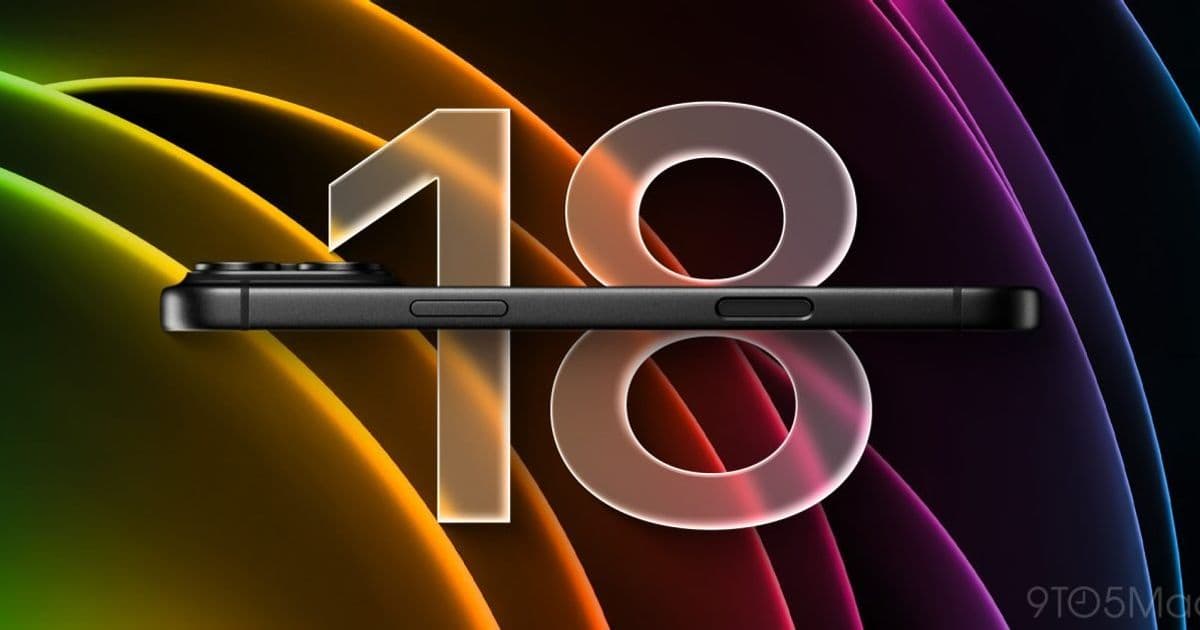
Apple’s rumored move to a bulkier iPhone 18 Pro signals longer battery life, more on‑device AI, and a shift in design constraints. iOS developers must update to Xcode 16 and iOS 18 SDK, while Android and cross‑platform teams should reconsider layout breakpoints, performance budgets, and AI model deployment strategies.
iPhone 18 Pro’s thicker chassis reshapes iOS development and cross‑platform UI planning
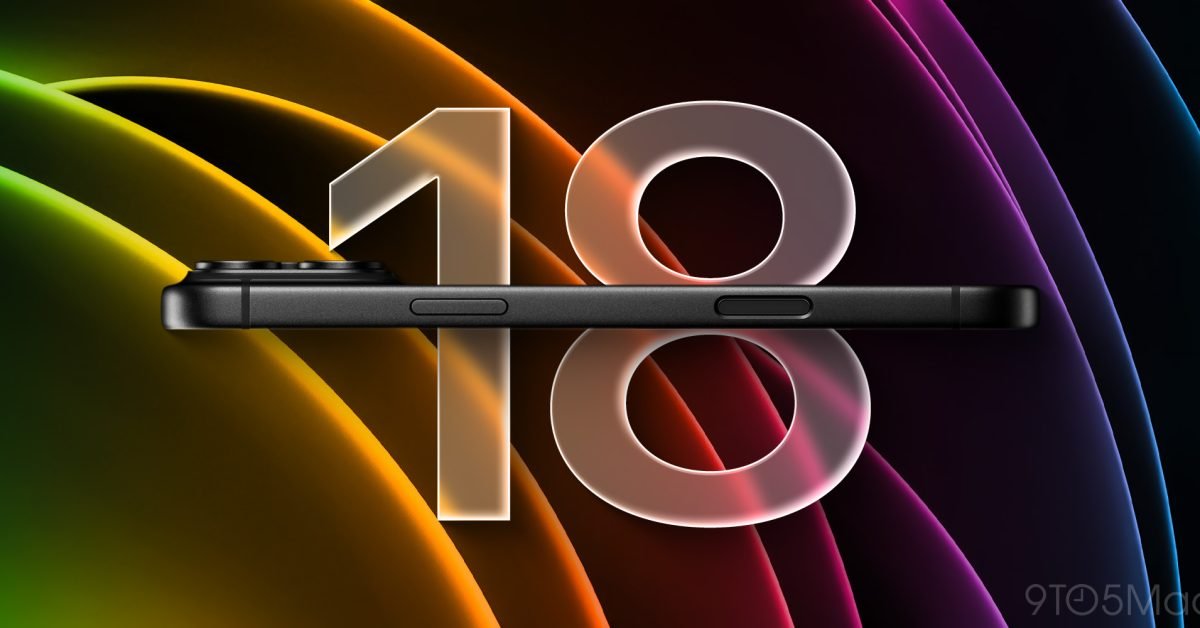
Apple’s upcoming iPhone 18 Pro is expected to be noticeably thicker and heavier than the iPhone 17 Pro. The change is not merely cosmetic; it reflects a hardware roadmap that prioritizes larger batteries, more powerful neural engines, and expanded thermal headroom. For developers who maintain apps on both iOS and Android, the new form factor forces a fresh look at UI density, performance budgets, and AI integration.
Platform update
- iOS 18 SDK – Bundled with Xcode 16, the SDK introduces new APIs for on‑device machine‑learning, extended background processing, and refined battery‑usage reporting. The release notes explicitly mention “optimizations for devices with larger thermal envelopes”.
- Minimum OS version – iPhone 18 Pro will ship with iOS 18, but Apple continues to support iOS 15 and later for most apps. However, features such as
VisionProMLandBatteryInsightsare gated to iOS 18. - Android side – The Android 15 beta, due in October 2026, adds a “large‑screen‑density” bucket (≈ 440 dpi) that mirrors the iPhone 18 Pro’s increased thickness and display size. Google’s Material 3 guidelines now recommend a 20 dp margin for devices in this bucket.
Developer impact
1. UI layout and safe‑area considerations
The extra chassis depth translates to a slightly larger chassis height (rumored 8 mm more) and a marginally higher screen‑to‑body ratio. While the physical screen size remains at 6.7 inches, the visible area for interactive elements shifts because of a new rear‑camera module footprint.
- iOS – Update
UIView‑based layouts to respect the newsafeAreaInsets.bottomvalues. TheUIViewControllerlifecycle now firesviewSafeAreaInsetsDidChangemore frequently on the 18 Pro, so test your constraints on a device‑simulated mockup (available in Xcode 16’s Device Preview). - Android – Adjust
WindowInsetshandling. The newWindowInsets.Type.displayCutout()reports a larger cut‑out area; useViewCompat.setOnApplyWindowInsetsListenerto adapt margins dynamically. - Cross‑platform (Flutter, React Native, Kotlin Multiplatform) – Both Flutter’s
MediaQuery.of(context).viewPaddingand React Native’sSafeAreaViewnow expose abottomInsetthat can be up to 24 dp on the 18 Pro. Update layout logic to treat this as a first‑class variable rather than a hard‑coded constant.
2. Battery life and performance budgeting
A thicker chassis means a larger cell, which Apple says will give the iPhone 18 Pro up to 30 % more talk‑time and up to 20 % more sustained AI processing. The iOS 18 SDK adds the BatteryInsights framework, allowing developers to query real‑time energy consumption per thread.
- iOS – Migrate any custom background tasks to use
BGTaskSchedulerwith the newrequiresExternalPowerflag. This ensures heavy AI workloads run only when the larger battery can sustain them. - Android – Leverage the
WorkManagersetRequiresBatteryNotLow()constraint, but also consider the newBatteryManager.BATTERY_PROPERTY_CAPACITYAPIs to throttle AI inference when the device is below 30 %. - Cross‑platform – If you share inference code via TensorFlow Lite or ONNX Runtime, add a runtime check for
DeviceInfo.batteryLevelbefore launching a model that exceeds 50 MFLOPs. Both Flutter and React Native expose native modules for this purpose.
3. On‑device AI and the “Neural Engine”
Apple’s next‑gen Neural Engine is rumored to double the TOPS (trillions of operations per second). iOS 18 introduces VisionProML – a set of high‑level vision and language models that run entirely on‑device.
- iOS – Replace any server‑side inference for image classification with
VisionProML.createImageClassifier()where possible. The new API automatically scales model precision based on thermal headroom, which is more generous on the thicker device. - Android – Google’s
ML Kit18.0 adds a “high‑performance” delegate that takes advantage of the larger thermal envelope on Android 15 devices. Align your model conversion pipeline to produce bothtfliteandnnapivariants. - Cross‑platform – Consider a shared inference layer using
mlc‑llmorcoreml‑swiftwrappers. Both Flutter and Kotlin Multiplatform now support loading a Core ML model on iOS and a TensorFlow Lite model on Android with a unified API surface.
Migration roadmap
| Phase | Tasks | iOS focus | Android focus | Cross‑platform notes |
|---|---|---|---|---|
| 1 – Audit | Run UI tests on the iPhone 18 Pro simulator (Xcode 16) and Android 15 emulator with the large‑screen‑density bucket. Identify safe‑area violations and high‑energy background tasks. | Enable BatteryInsights in debug builds. |
Add BatteryManager checks. |
Verify that MediaQuery and SafeAreaView expose the new insets. |
| 2 – Refactor | Replace hard‑coded bottom margins with dynamic inset values. Move AI inference to on‑device APIs where feasible. | Migrate to VisionProML. |
Switch to ML Kit high‑performance delegate. |
Create a thin abstraction layer (AIEngine) that selects the appropriate native implementation at runtime. |
| 3 – Optimize | Profile CPU/GPU usage with Xcode Instruments and Android Studio Profiler. Tune model precision (float16 → int8) if thermal throttling appears. | Use BatteryInsights to set BGTaskScheduler priorities. |
Apply WorkManager constraints based on battery level. |
Run end‑to‑end benchmarks on both platforms to ensure comparable latency. |
| 4 – Release | Update Info.plist and AndroidManifest.xml to declare required iOS 18/Android 15 features. Submit to App Store and Play Store with updated screenshots reflecting the new device dimensions. |
Add UIRequiredDeviceCapabilities for neuralEngine. |
Add android.hardware.neuralnetworks feature flag. |
Verify that CI pipelines test on both the iPhone 18 Pro simulator and Android 15 large‑density emulator. |
What this means for the broader mobile ecosystem
The iPhone 18 Pro’s design shift underscores a growing consensus: performance‑first hardware will coexist with ultra‑thin consumer models. Developers who treat the “thick” and “thin” segments as separate product lines can now target each with tailored UI density and AI capability sets, without sacrificing code reuse.
For teams using Flutter, React Native, or Kotlin Multiplatform, the key takeaway is to abstract device‑specific constraints early. By handling safe‑area insets, battery thresholds, and model selection through a shared service layer, you reduce platform‑specific churn when Apple or Google releases the next generation of bulkier, AI‑centric flagships.
Stay tuned for the official iOS 18 beta release in July 2026 and the Android 15 public preview in September. Both platforms will provide device‑specific simulators that make the migration steps outlined above much easier to validate.
Comments
Please log in or register to join the discussion