As Valve prepares to launch its highly anticipated Steam Machine, pricing rumors suggest a $600-650 tag that could position it as an attractive alternative to both consoles and custom-built gaming PCs. We examine how this pricing strategy affects the value proposition for different types of gamers.
What's New: Steam Machine Pricing Predictions
The gaming community is abuzz with speculation surrounding Valve's upcoming Steam Machine, with recent leaks suggesting a price point of $600-650 for the 512GB model. This prediction comes from Moore's Law Is Dead (MLID), a hardware leaker with a track record of accurate industry predictions. According to MLID's latest analysis, the rising cost of RAM and SSD components has increased the final price by $100-150 compared to earlier estimates.
The Steam Machine has faced multiple delays due to global memory shortages, which have impacted production costs across the entire tech industry. MLID references an older Bill of Materials (BOM) from when the hardware was first announced in November 2025, noting that RAM prices have since doubled or tripled in value. SSD costs have also increased significantly due to high demand from AI data centers.
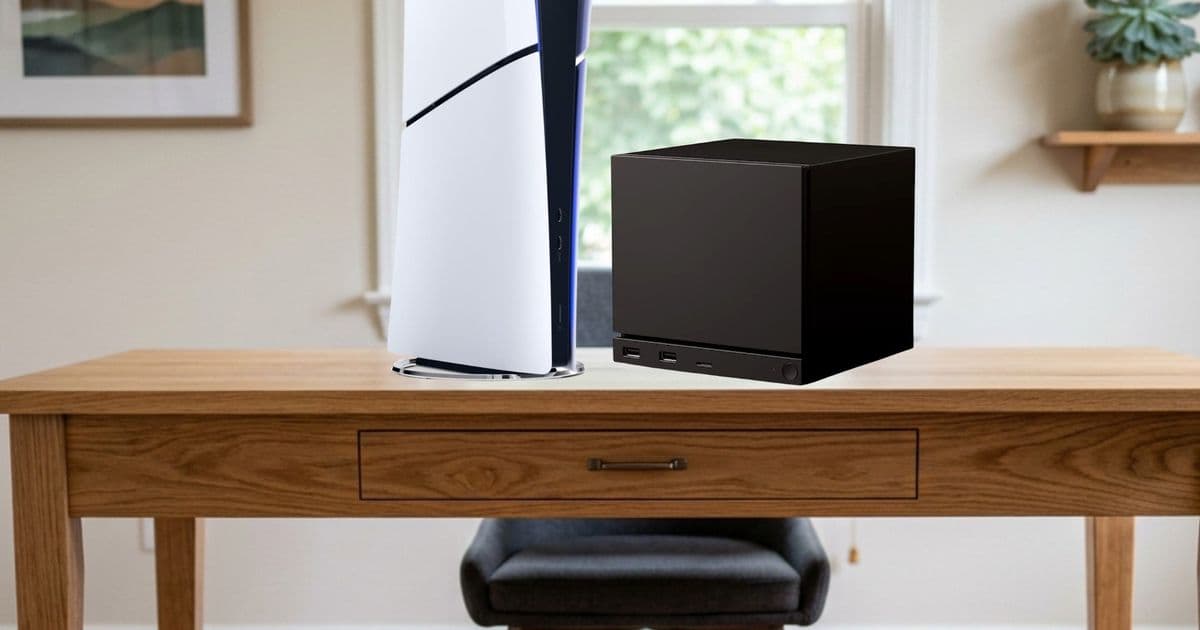
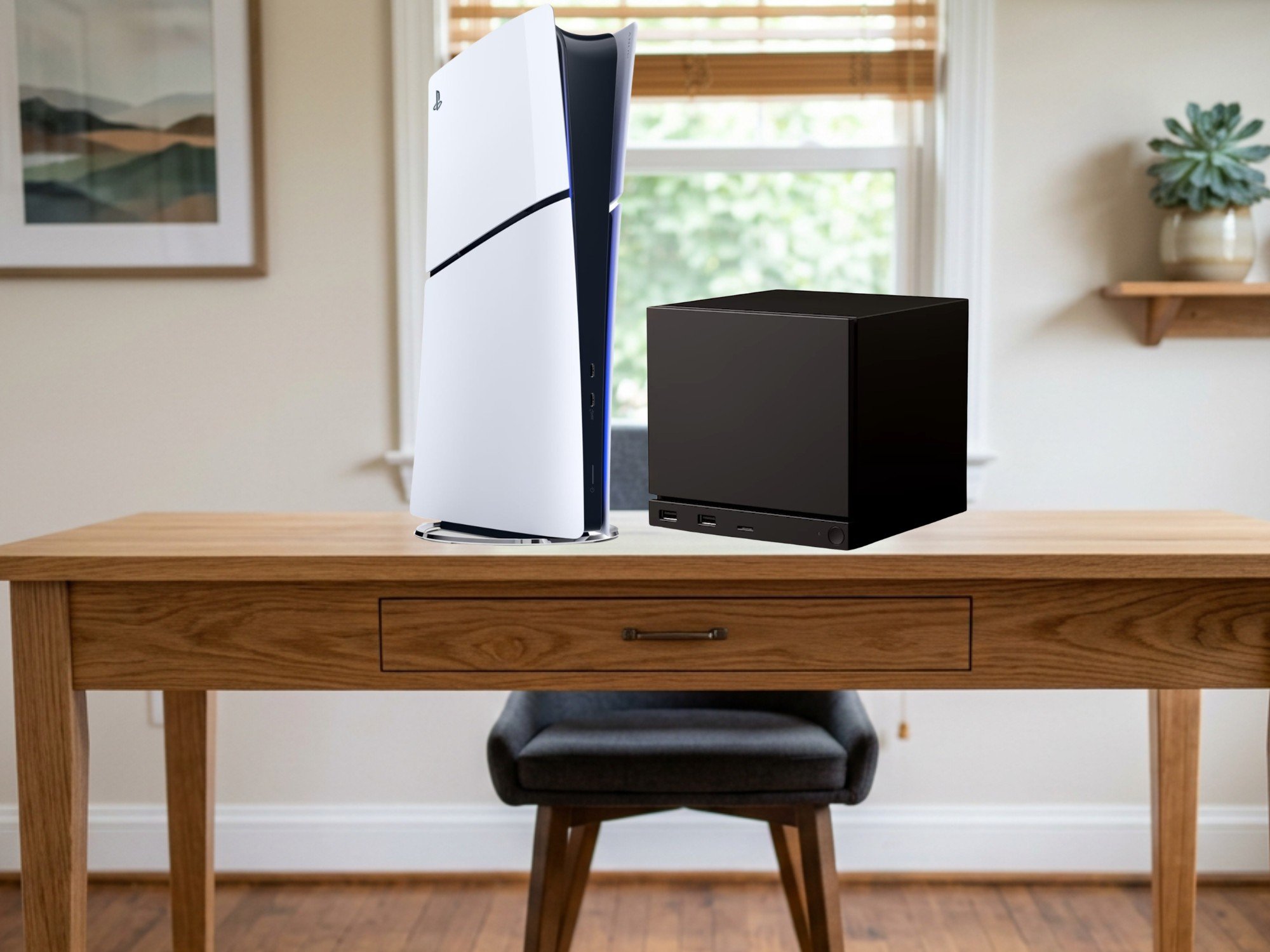
If these predictions hold true, the Steam Machine would be priced competitively with the current Digital PS5 Slim, which retails for $599. This positioning suggests Valve is aiming for a sweet spot where the device offers more flexibility than a traditional console without the premium price of high-end prebuilt gaming PCs.
How It Compares: Steam Machine vs. PS5 vs. Custom Gaming PC
When evaluating the Steam Machine's potential value, it's essential to compare it against the two primary alternatives: traditional consoles like the PS5 and custom-built gaming PCs.
Console Competition: The Steam Machine directly competes with the PS5 and Xbox Series X/S, but with several key differences. While the PS5 offers a more streamlined, console-optimized experience, the Steam Machine provides the flexibility of a PC gaming platform with access to Steam's extensive library of games. The leaker suggests that pricing the Steam Machine above $700 would make it less attractive than a PS5, as consumers would question the added value for the higher price point.
Custom PC Comparison: MLID constructed a comparable custom gaming PC for $700-750, suggesting it would offer slightly better performance than the Steam Machine at a similar price point. However, this comparison assumes access to discounted component bundles, which aren't widely available to all consumers. Prebuilt gaming PCs typically carry a premium of 10-20% compared to self-built systems, but offer convenience and warranty protection that appeals to many buyers.
The Steam Machine's value proposition becomes more compelling when considering its potential integration with Steam's ecosystem. Features like SteamOS, Steam Controller support, and seamless PC game compatibility could differentiate it from both consoles and traditional gaming PCs. Additionally, Valve's reputation for software excellence and frequent platform updates might provide long-term benefits that aren't immediately apparent in a simple price comparison.
Who It's For: Target Audience and Value Considerations
The Steam Machine appears positioned for several distinct user groups:
Console Gamers Seeking PC Flexibility: For PlayStation owners looking to dip their toes into PC gaming without the complexity of building or maintaining a full system, the Steam Machine offers an attractive middle ground. At $600, it provides access to Steam's vast library of PC-exclusive titles while maintaining the familiar console form factor. The potential inclusion of Steam Deck-like controls could make the transition particularly smooth for console gamers.
PC Gamers Wanting Living Room Experience: Traditional PC gamers who primarily play at desks but want the option of living room gaming without investing in a separate console might find the Steam Machine appealing. Its compact design and potential integration with existing Steam libraries could provide a convenient secondary gaming system.
Budget-Conscious Performance Seekers: The $600 price point positions the Steam Machine as an entry-level gaming PC alternative. For consumers who can't afford $1000+ prebuilt systems but want more than what consoles offer, this could represent a compelling value proposition—especially if Valve includes software optimizations that maximize performance for the hardware.
Market Context and Pricing Strategy
Valve's pricing approach appears carefully calculated to avoid the mistakes of previous Steam Machine attempts. The original 2013 iteration failed in part due to high price points and unclear positioning against both consoles and traditional gaming PCs. The current $600 prediction suggests Valve has learned from this history, positioning the device as a premium alternative to consoles rather than a budget PC option.
The memory shortage has complicated Valve's timeline, with production delays potentially pushing the release beyond initial estimates. However, the company appears committed to avoiding the perception of price gouging, with MLID suggesting that a $700-$1000 price point would be "a mistake" given the competitive landscape.
Notably, the $600 prediction assumes the Steam Controller isn't bundled, which could lower the entry price to $499. However, other leaks from industry insider Brad Lynch suggest Valve might be considering a more significant price increase, potentially positioning the device as a premium product. This conflicting information highlights the uncertainty surrounding the final pricing strategy.
As the gaming hardware market continues to evolve with rising component costs and changing consumer preferences, Valve's approach to the Steam Machine could set important precedents for the industry. The final price point will likely determine whether the device finds its niche as a viable alternative to both consoles and traditional gaming PCs or becomes another footnote in the company's hardware experimentation history.
Comments
Please log in or register to join the discussion