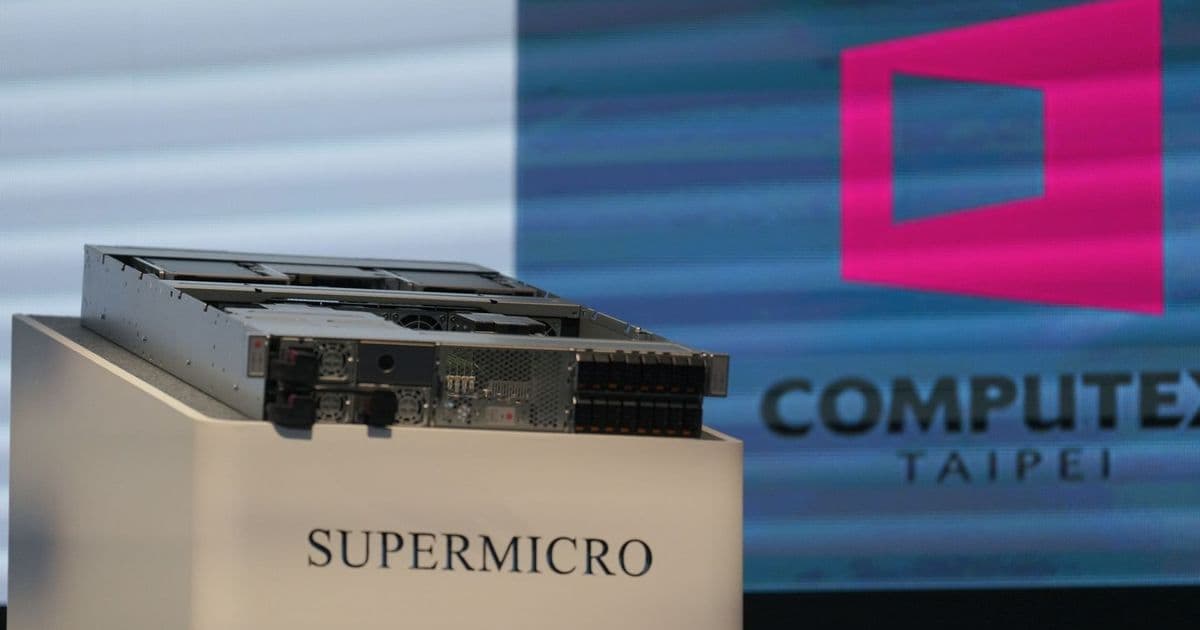
Supermicro confirmed close work with Taiwanese authorities that led to the seizure of 50 AI‑grade servers and three arrests. The episode underscores how multi‑tier resale chains, lax downstream vetting and aggressive export controls are converging on the high‑performance server segment, putting pressure on manufacturers to tighten visibility and compliance while the demand for 8‑node, 4‑THz Xeon‑based systems soars.
Announcement
Supermicro released a formal statement confirming that it "worked closely" with Taiwanese law‑enforcement agencies to disrupt a smuggling ring that attempted to divert 50 of its high‑performance servers to mainland China. The operation resulted in three arrests and the seizure of the hardware, which had been sold to an authorized reseller before being rerouted through Japan and onward to the restricted market.
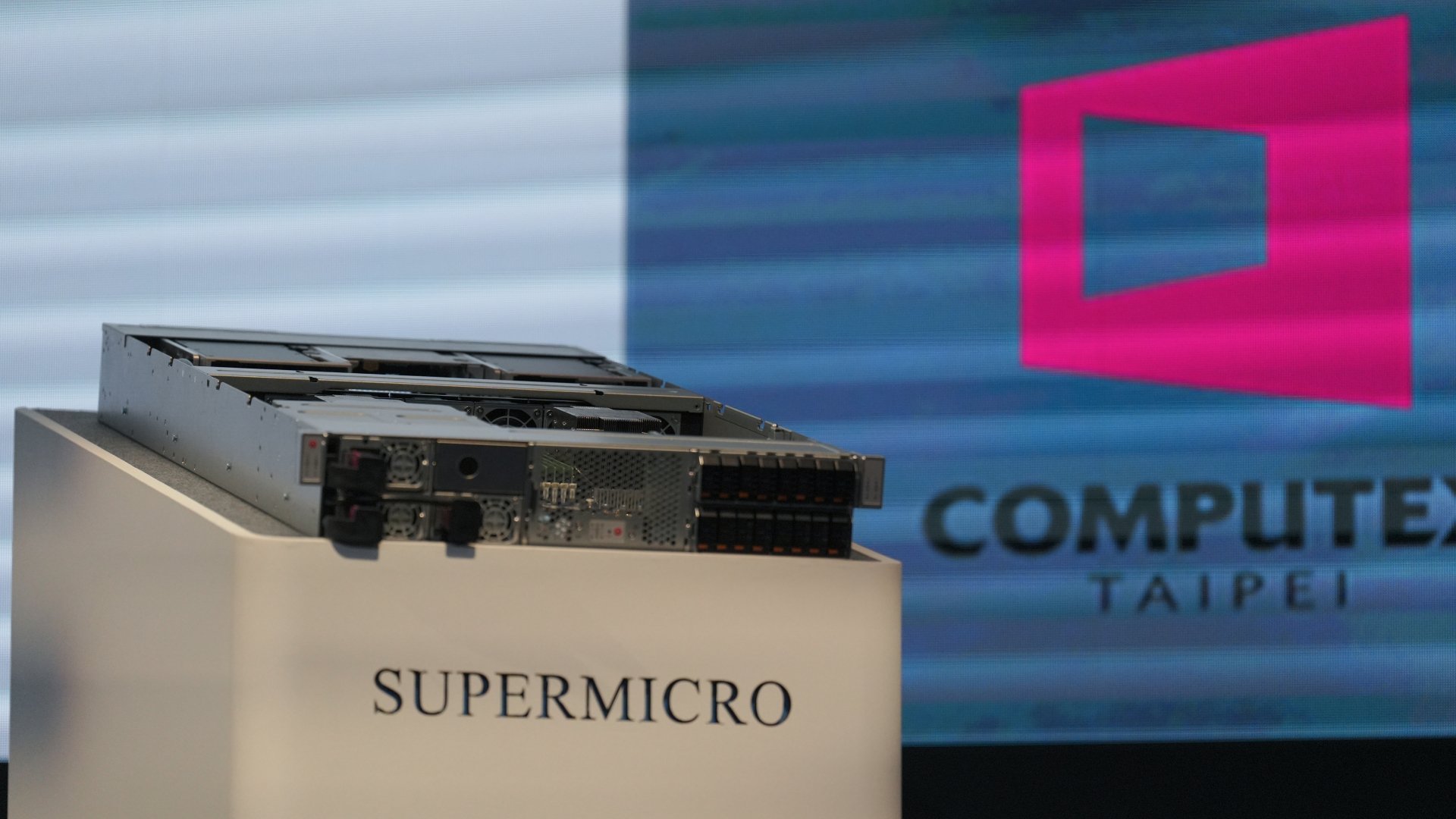 Caption: Supermicro server rack seized in Taiwan (Image credit: Getty Images / SOPA Images)
The company emphasized that the original sale complied with all U.S. and Taiwanese export regulations, and it pledged continued cooperation with authorities in the United States, Taiwan and other jurisdictions.
Technical specs of the seized hardware
While the exact configurations were not disclosed, industry analysts can infer the likely build based on Supermicro’s current AI‑focused catalog:
| Component | Typical specification in Supermicro AI servers |
|---|---|
| CPU | 2× Intel Xeon Scalable 4th‑Gen (Sapphire Rapids) – up to 4.0 GHz base, 5.0 GHz boost, 40‑core per socket |
| GPU | 4× NVIDIA H100 Tensor Core GPUs (PCIe 5.0, 700 W each) |
| Memory | 8 TB DDR5‑5600 ECC (32 × 256 GB modules) |
| Storage | 8 TB NVMe U.2 (PCIe 5.0) + 4 TB SATA SSD for tiered storage |
| Interconnect | NVIDIA NVLink 3.0 (up to 900 GB/s) + 200 GbE Ethernet |
| Power | Dual 3200 W redundant PSUs, 80 PLUS Platinum |
These specifications place the servers in the high‑end AI training segment, capable of delivering > 1 PFLOPS of mixed‑precision performance per node. The price tag for a fully‑populated configuration typically exceeds US$300 k, explaining why they are a prime target for illicit diversion.
Supply‑chain context and why the bust matters
1. Multi‑tier resale creates blind spots
Supermicro’s statement notes that the servers were sold to an "authorized reseller" before being diverted. In practice, a single reseller often contracts with sub‑distributors, system integrators and regional value‑added partners. Each hand‑off adds a visibility gap; the original OEM loses real‑time insight into the final destination. When a downstream partner lacks robust end‑user verification, the risk of a re‑export to a sanctioned entity spikes dramatically.
2. Export‑control pressure is intensifying
Since the U.S. Commerce Department’s 2023 “AI‑hardware licensing” proposal, the export‑control regime for advanced compute has tightened. The Entity List now includes dozens of Chinese AI firms, and any shipment of GPUs rated above 30 TFLOPS FP16 must obtain a license. Supermicro’s servers, equipped with H100 GPUs, fall squarely under these rules. A breach not only jeopardizes the OEM’s compliance record but also triggers secondary penalties for downstream partners.
3. Geopolitical routing amplifies risk
Investigations revealed that the servers were routed through a logistics hub in Japan before crossing into China. This mirrors a broader pattern where smugglers exploit trans‑shipment corridors that enjoy relatively lax customs scrutiny. The practice forces OEMs to reconsider origin‑to‑destination tracking technologies, such as blockchain‑based certificates of provenance, to flag anomalous routing.
4. Market impact on pricing and inventory
The public nature of the bust caused Supermicro’s share price to slide ~29 % after the earlier U.S. indictment of three former employees. In the short term, this volatility can tighten inventory for OEMs, as distributors become more cautious about extending credit to new resellers. For end‑users—cloud providers, research institutions, and enterprise AI teams—the ripple effect may be higher lead times and a modest price premium on newly‑released AI servers.
Implications for the broader AI‑hardware ecosystem
- Manufacturers will invest in downstream monitoring – Expect a surge in third‑party compliance platforms that integrate with ERP systems to flag high‑risk end‑users in real time.
- Resellers will need stricter vetting – Contracts will likely include mandatory end‑user certificates and periodic audits, raising compliance costs for smaller integrators.
- Governments may mandate traceability – The U.S. and Taiwan could require electronic tamper‑evident tags on AI servers, similar to those used for defense equipment, to ensure the hardware cannot be covertly re‑exported.
- China’s domestic AI‑hardware push accelerates – As external supply becomes riskier, Chinese firms are likely to double down on indigenous alternatives, potentially reshaping the competitive dynamics for high‑end GPUs and CPUs.
What customers should watch
- Compliance clauses in purchase agreements: Verify that your contracts require the vendor to disclose the full resale chain.
- Logistics transparency: Insist on real‑time tracking data that includes port‑of‑entry and customs clearance records.
- Alternative sourcing: For mission‑critical workloads, consider diversifying across multiple OEMs to mitigate the impact of a single supplier’s compliance incident.
Sources
- Supermicro official statement (PDF)
- U.S. Commerce Department AI‑hardware licensing proposal (2023)
- NVIDIA H100 product page
- Intel Xeon Sapphire Rapids overview
The incident serves as a reminder that in the era of trillion‑dollar AI investment, the security of the underlying compute hardware is as critical as the algorithms that run on it.
Comments
Please log in or register to join the discussion