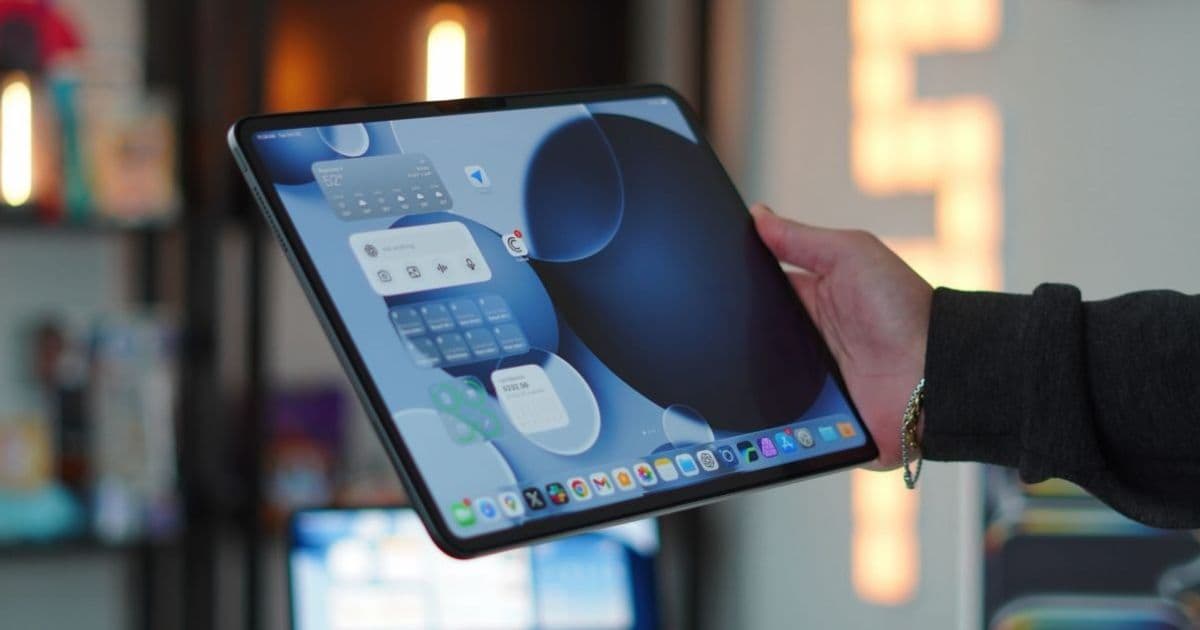
Apple is expected to debut a foldable iPhone Ultra and a touchscreen‑enabled MacBook Ultra later this year. Both devices may erode the iPad’s unique position as Apple’s only large‑screen, touch‑first computer, prompting questions about the tablet’s long‑term relevance.
Apple’s Upcoming iPhone Ultra and Touch‑Enabled MacBook Ultra Could Redefine the iPad’s Role
Apple is gearing up to launch two ambitious products before the year’s end: the iPhone Ultra, its first foldable handset, and the MacBook Ultra, a MacBook Pro redesign that adds a built‑in touchscreen. While neither will instantly dethrone the iPad, their capabilities could reshape how users think about Apple’s tablet lineup.
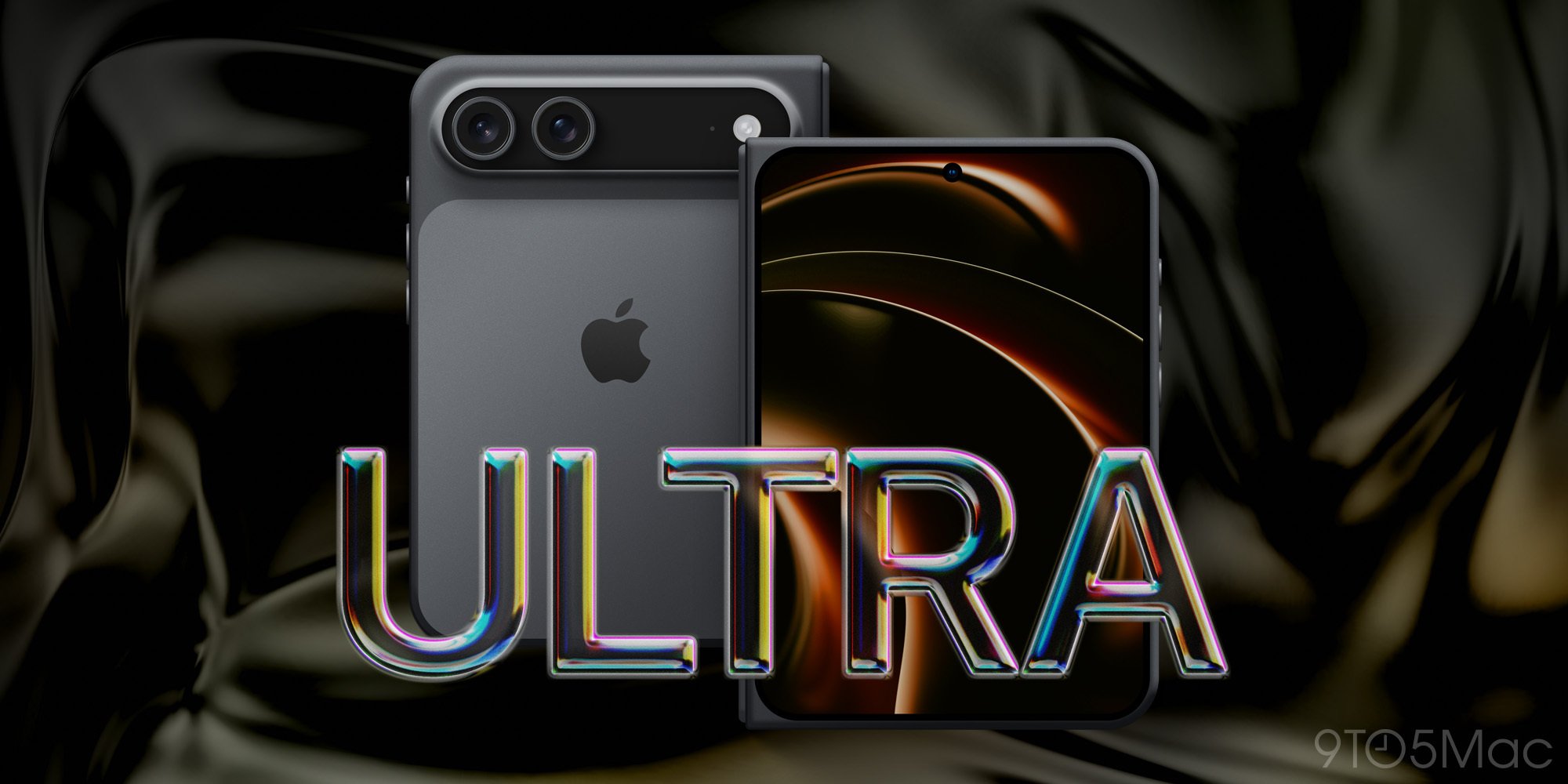
What the iPhone Ultra Brings
- Foldable chassis – When folded, the device retains a familiar pocket‑friendly footprint; unfolded, it expands to a 7.9‑inch display that rivals the iPad mini.
- Dual‑mode UI – Apple is expected to ship a custom version of iOS that automatically switches to a tablet‑optimized layout when the screen is opened, similar to the way iPadOS handles multitasking.
- Apple Silicon M4‑class chip – Rumors suggest a variant of the M4 processor, delivering desktop‑grade performance while staying within the power envelope of an iPhone.
- Camera system – A periscope telephoto lens and larger sensor aim to make the Ultra a serious contender for photography and AR work.
- Pricing – Early analyst estimates place the base model around $1,399, positioning it as a premium niche device.
The iPhone Ultra’s design could blur the line between phone and tablet. For users who already carry a phone, the need for a separate iPad may diminish, especially as app developers optimize their software for the larger, foldable screen.
What the MacBook Ultra Introduces
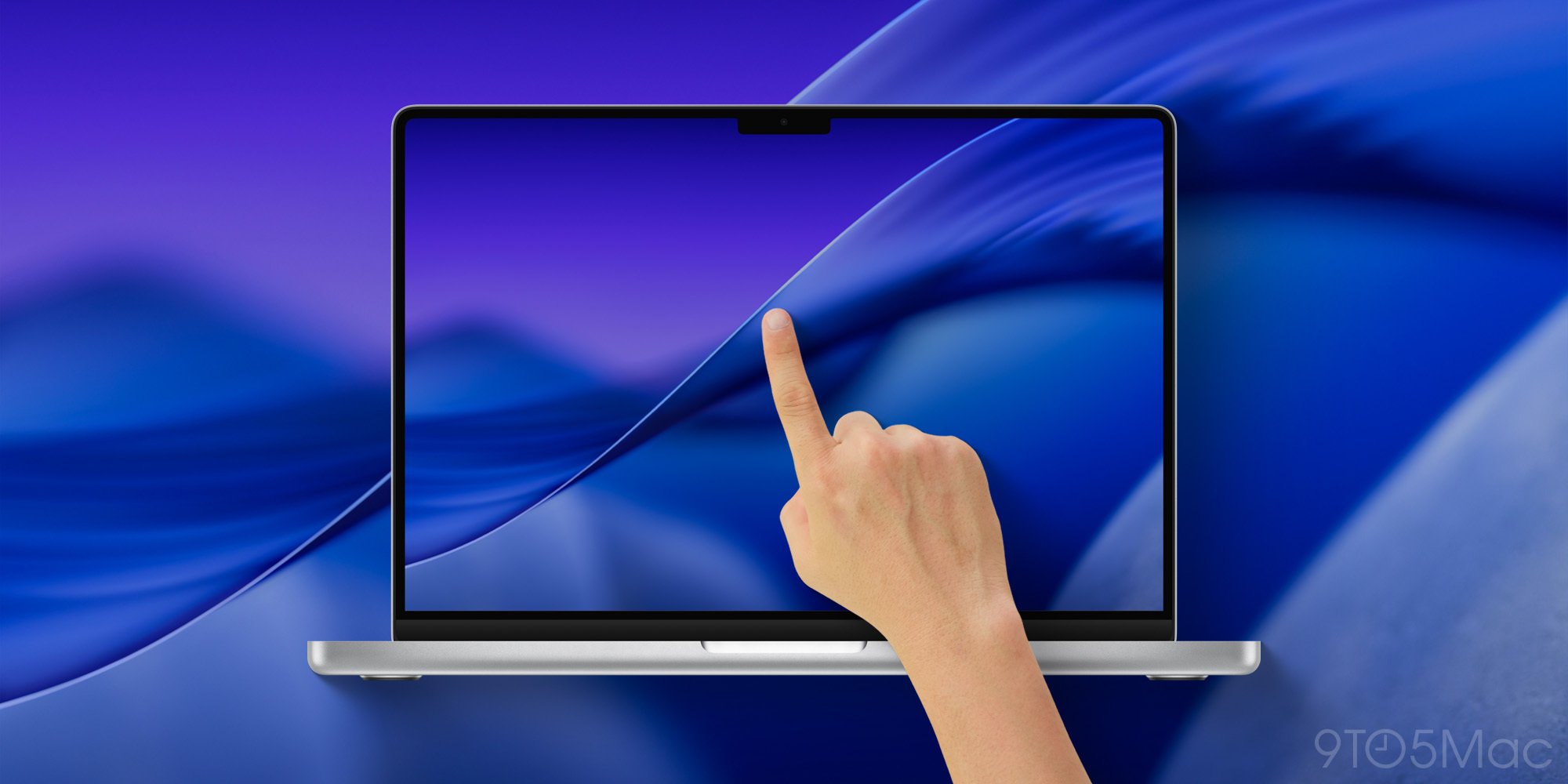
- Integrated touchscreen – A 14‑inch Retina display with multi‑touch support, allowing direct interaction with macOS apps and iPadOS apps via the new Continuity Touch framework.
- M4 Pro/Max options – Configurations will start at the M4 Pro and scale up to an M4 Max, delivering up to 96 GB of unified memory.
- Unified port scheme – Three Thunderbolt 4/USB‑4 ports, an SD card slot, and a MagSafe 3 charger keep the device compatible with existing accessories.
- Battery life – Apple claims up to 20 hours of mixed‑use endurance, despite the added power draw of the touchscreen.
- Software bridge – macOS 15 will include a Touch Mode toggle that lets users switch between traditional cursor input and finger‑first interaction, with automatic app scaling.
By giving the Mac a touch surface, Apple removes one of the iPad’s primary differentiators: a native, always‑available touch interface.
How These Products Could Impact the iPad
1. Overlap in Form Factor
The iPhone Ultra’s unfolded size sits squarely in the iPad mini’s sweet spot. Users who value portability might opt for a single device that can both make calls and serve as a content‑creation tablet. As foldable production scales, costs are likely to fall, making the Ultra more accessible.
2. Touchscreen Macs Reduce the iPad’s Unique Advantage
Historically, the iPad’s appeal has rested on two pillars:
- Touch‑first interaction – macOS laptops required a trackpad or mouse.
- App ecosystem – iPadOS runs a curated set of iOS apps optimized for larger screens.
A MacBook Ultra that supports finger gestures and runs iPadOS apps natively erodes the first pillar. Professionals who need a full‑featured OS for development or design could now get a laptop that doubles as a tablet without buying a separate iPad.
3. Ecosystem Lock‑In Becomes More Fluid
Apple’s strength lies in seamless hand‑off between devices. If the iPhone Ultra and MacBook Ultra can share the same Apple ID, iCloud documents, and Universal Control, the iPad may become just another node in a broader, more interchangeable device graph. Users might keep an iPad for niche tasks—like drawing with the Apple Pencil—but rely less on it for everyday browsing or media consumption.
What This Means for iPad Users
- Power users may still prefer the iPad Pro for its larger 12.9‑inch Liquid Retina XDR display, higher refresh rate, and dedicated Apple Pencil latency.
- Casual consumers could gravitate toward the iPhone Ultra for its dual‑mode convenience, especially if pricing drops in future iterations.
- Enterprise and education sectors will need to evaluate whether a touchscreen Mac can replace iPads in classroom labs or field‑service scenarios.
Apple has a history of iterating on its tablet line—adding features like the M2 chip, ProMotion, and Stage Manager. The question now is whether those upgrades will be enough to keep the iPad distinct in a world where phones fold and laptops touch.
Looking Ahead
If the iPhone Ultra and MacBook Ultra perform well, we may see a cascade of follow‑up products: larger foldable phones, thinner touchscreen laptops, and perhaps even a hybrid device that merges the iPad’s screen size with a detachable keyboard and full macOS.
For iPad enthusiasts, the immediate takeaway is to watch how developers adapt their apps to the new form factors. Apps that already support multi‑window layouts and Apple Pencil input will likely thrive across all three devices, preserving the iPad’s relevance as a specialized creative tool.
Further reading
- Apple’s official iPhone Ultra announcement page (expected Q3 2026) – Apple.com
- macOS 15 “Continuity Touch” documentation – developer.apple.com
- Detailed teardown of the rumored MacBook Ultra touchscreen – iFixit article
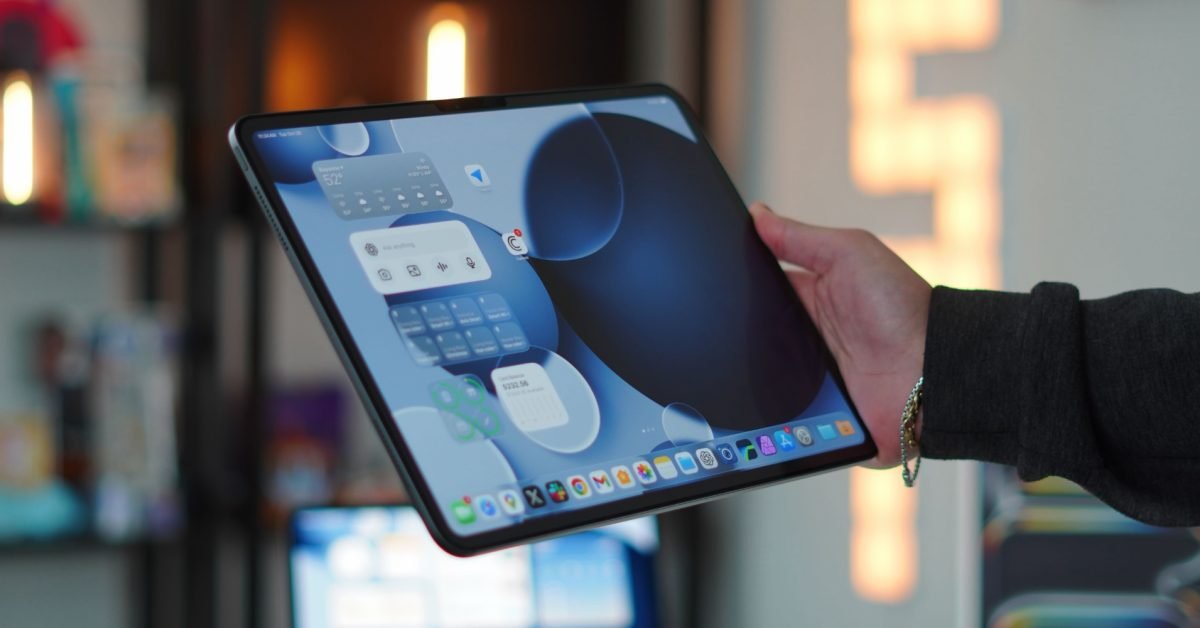
The iPad remains a powerful device, but Apple’s expanding portfolio suggests a future where the lines between phone, tablet, and laptop become increasingly fluid.
Comments
Please log in or register to join the discussion