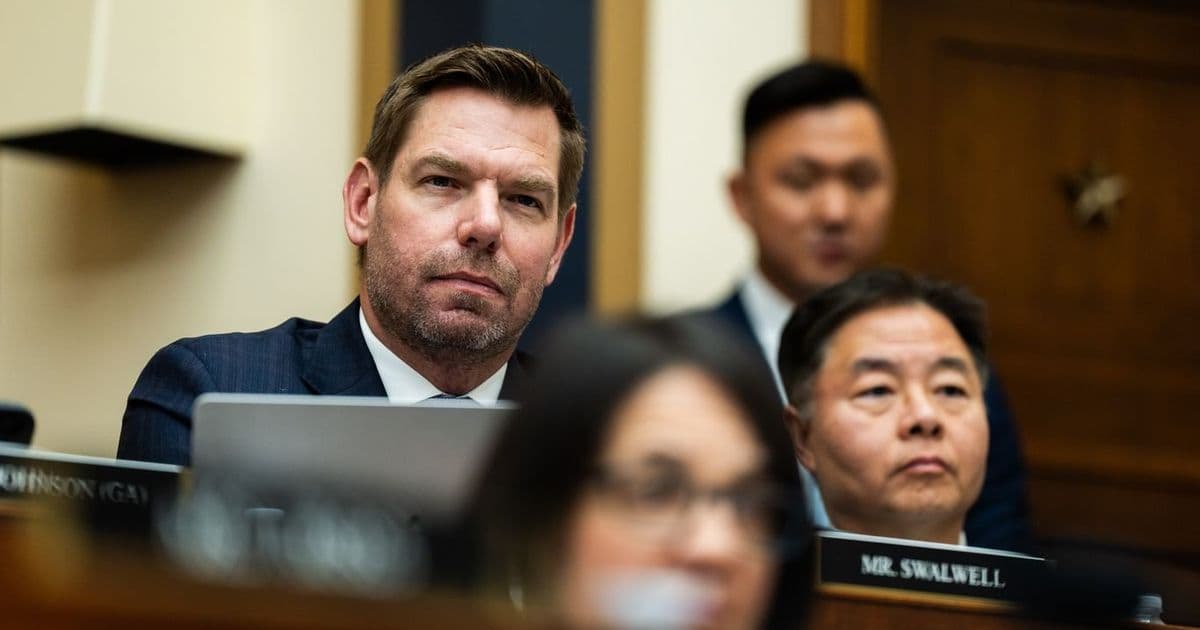
The Eric Swalwell controversy has ignited a political firestorm that could reshape the House of Representatives, with multiple expulsion votes looming as lawmakers grapple with allegations of foreign influence and national security breaches.
The Eric Swalwell scandal has erupted into a full-blown political crisis that threatens to trigger an unprecedented wave of expulsion votes in the House of Representatives. The controversy, which centers on allegations of Swalwell's ties to a suspected Chinese intelligence operative, has exposed deep divisions within Congress and raised fundamental questions about national security protocols.
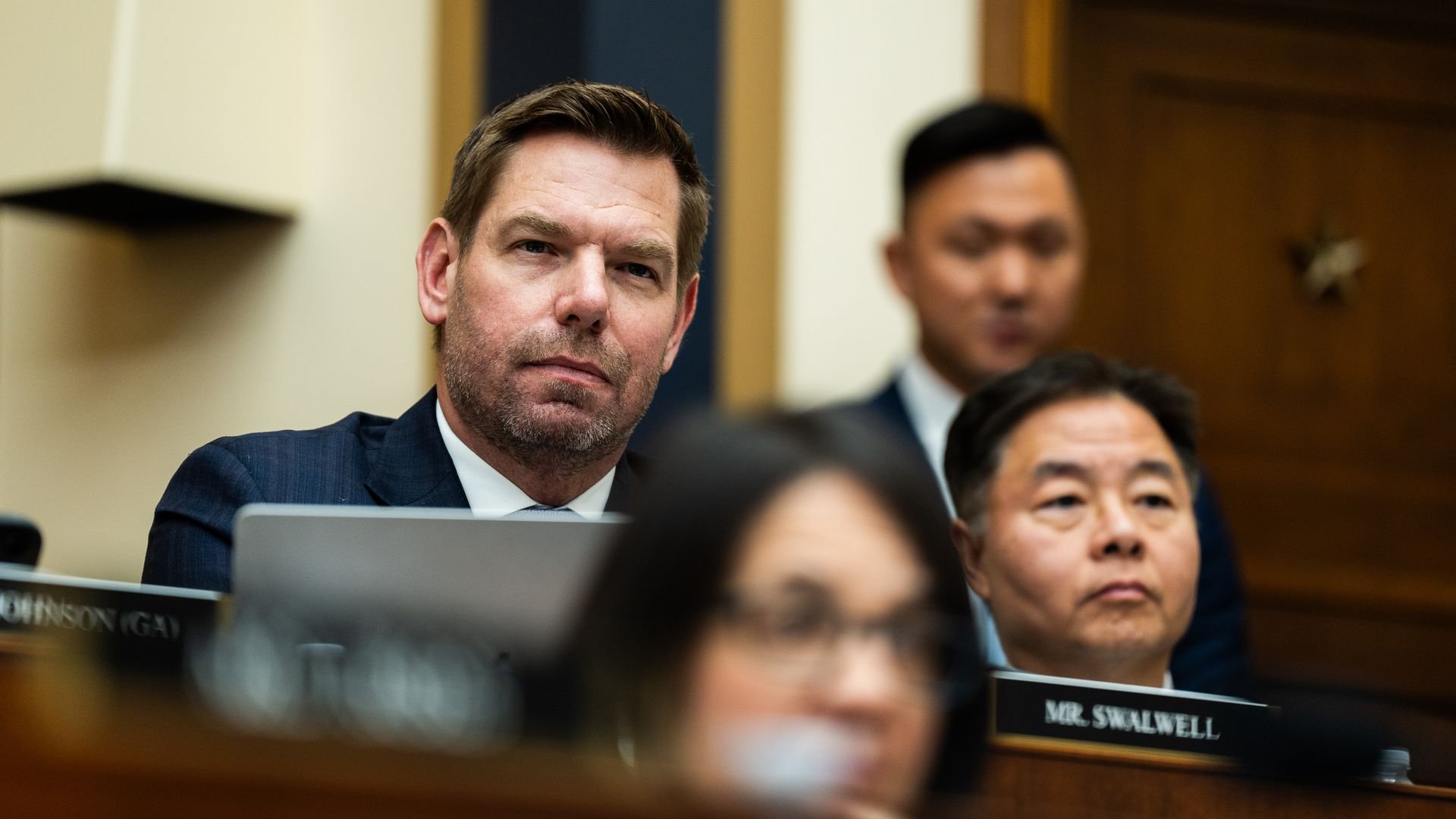
The scandal began when reports surfaced about Swalwell's relationship with Christine Fang, a Chinese national who allegedly worked as an intelligence operative while cultivating relationships with multiple U.S. politicians, including Swalwell. While Swalwell has denied any wrongdoing and the FBI has stated he was not a target of investigation, the revelations have nonetheless created a political firestorm that shows no signs of abating.
House Minority Leader Kevin McCarthy has seized on the controversy, calling for Swalwell's removal from the House Intelligence Committee and suggesting that more severe consequences may be warranted. "When someone has a relationship with a Chinese spy, they should not have access to America's secrets," McCarthy stated in a recent press conference.
The implications extend far beyond Swalwell himself. The scandal has emboldened hardline members of both parties to push for broader reforms in how Congress handles potential security breaches. Several Republican lawmakers have already drafted legislation that would mandate automatic expulsion for any member found to have knowingly engaged with foreign intelligence operatives.
Democratic leadership finds itself in an increasingly precarious position. While party leaders have thus far defended Swalwell, arguing that he has cooperated fully with investigations and that the allegations remain unproven, they face mounting pressure from within their own ranks. Several moderate Democrats from swing districts have expressed concern that the controversy could damage their electoral prospects in the upcoming midterms.
The timing could not be worse for Democrats, who are already facing headwinds in their efforts to maintain control of the House. The scandal provides Republicans with a potent talking point that combines national security concerns with allegations of Democratic weakness on China – a combination that has proven effective in recent election cycles.
Beyond the immediate political calculations, the Swalwell affair has exposed significant vulnerabilities in congressional oversight of member conduct. Current House rules provide limited mechanisms for addressing situations where members may have been compromised by foreign actors. The existing ethics process, while robust in handling financial improprieties and sexual misconduct, lacks clear procedures for investigating and adjudicating national security concerns.
This regulatory gap has prompted calls for comprehensive reform from both sides of the aisle. A bipartisan group of lawmakers is working on legislation that would establish a permanent, independent body to investigate potential security breaches involving members of Congress. The proposed commission would have subpoena power and the ability to make binding recommendations for disciplinary action, including expulsion.
The potential for multiple expulsion votes represents a dramatic escalation in congressional politics. Historically, expulsion from the House has been exceedingly rare, with only five members ever removed in the chamber's 234-year history. The prospect of several simultaneous expulsion votes would mark an unprecedented moment in American political history.
Several factors suggest that the current controversy could indeed lead to a cascade of expulsion votes. First, the heightened focus on foreign influence operations has created a political environment where even unproven allegations can carry significant weight. Second, the upcoming midterm elections are likely to incentivize lawmakers to demonstrate their commitment to national security, potentially leading to more aggressive action against colleagues.
The Swalwell scandal also intersects with broader tensions in U.S.-China relations. As Washington grapples with issues ranging from trade disputes to technological competition, the revelation of potential Chinese intelligence operations within Congress has amplified calls for a more confrontational approach to Beijing. This geopolitical context adds another layer of complexity to what is already a highly charged political situation.
For Swalwell personally, the stakes could not be higher. Beyond the immediate threat of expulsion, the controversy threatens to derail his political ambitions. Once considered a rising star within the Democratic Party with potential presidential aspirations, Swalwell now faces an uncertain future that could extend well beyond the current Congress.
The unfolding drama also raises questions about the broader implications for congressional oversight and accountability. If multiple members are expelled based on allegations of foreign ties, it could fundamentally alter the nature of political discourse in Washington. Lawmakers may become increasingly cautious about engaging with foreign nationals, potentially hampering the kind of international engagement that has traditionally been a part of congressional work.
As the situation continues to evolve, one thing is clear: the Swalwell scandal represents more than just a personal political crisis. It has exposed systemic vulnerabilities in congressional security protocols, highlighted the growing tensions between the United States and China, and created the conditions for what could be a historic reshaping of the House of Representatives. The coming weeks and months will determine whether this controversy remains contained to Swalwell or triggers the cascade of expulsion votes that many now fear.
Comments
Please log in or register to join the discussion