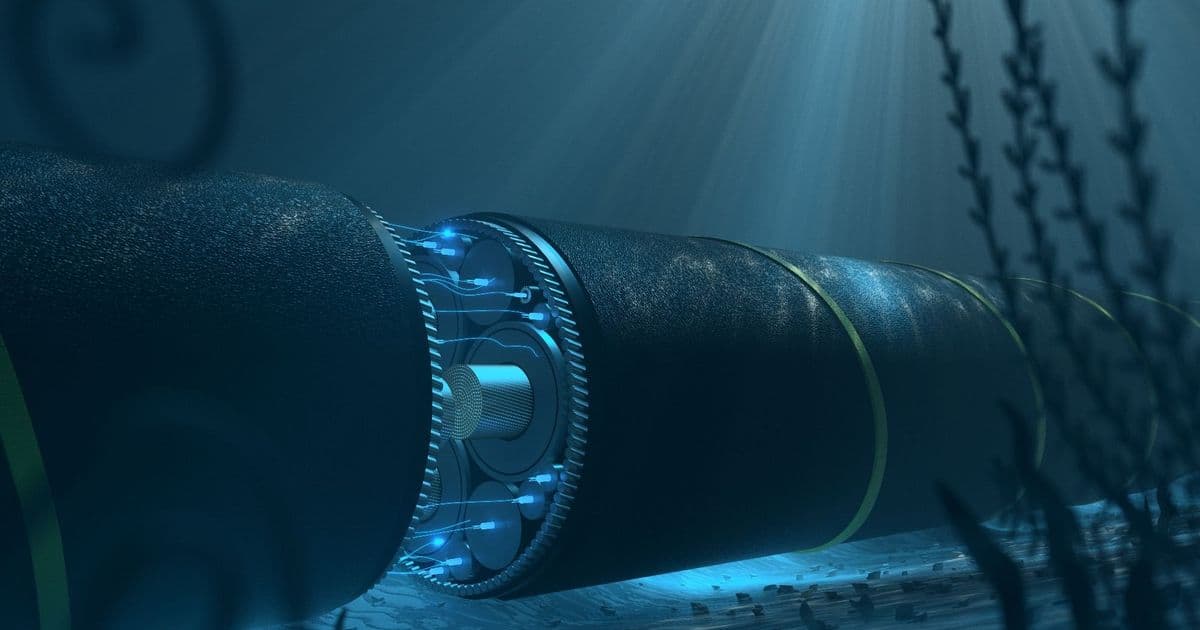
Syrian Telecom said a break in an undersea link to Egypt disrupted internet service, pushing Syria onto backup routes through Cyprus and Turkey as Damascus blamed sabotage.
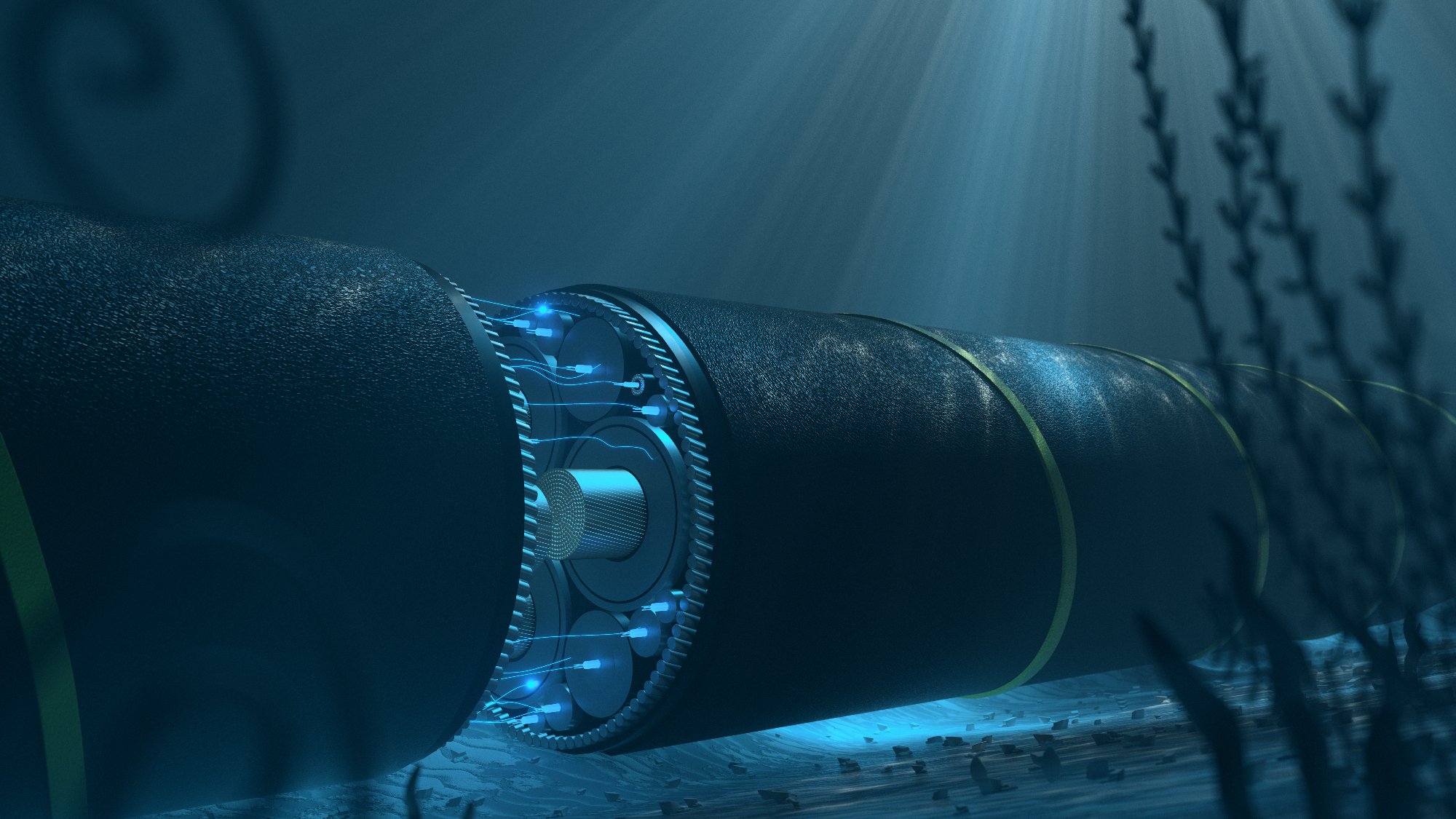
Syrian Telecommunications Company said an undersea cable between Egypt and Syria suffered a break, leaving users with degraded internet service while engineers work on repairs.
The state-owned operator said it shifted traffic to another submarine route through Cyprus and to a 1 Tbps terrestrial link through Turkey. Damascus blamed a “systematic sabotage campaign,” according to Arab News, but Syrian officials named no state or group.
The damaged route appears to match the Egypt-Syria submarine corridor listed on public cable maps. The ALETAR system links Alexandria, Egypt, with Tartus, Syria, across about 787 km of Mediterranean seabed. Public records list its design capacity at 5 Gbit/s, far below the capacity of modern multi-terabit cable systems, but a cut can still hurt a country with few international paths.
Syria’s fallback plan shows the constraint. A 1 Tbps land route through Turkey can carry far more traffic than ALETAR’s listed design capacity, but routing capacity depends on contracts, peering, congestion, equipment, power, and border infrastructure. Traffic that once took a direct path across the Mediterranean may now traverse longer routes before it reaches European carriers or regional exchanges.
That rerouting can raise latency, cut throughput, and add packet loss for users. Video calls, cloud apps, software updates, gaming, and secure remote access feel those effects first because each one depends on stable round-trip time and clean packet delivery. Syria can keep users online through backup links, but the operator still has to balance traffic across fewer paths until crews repair the cable.
Submarine cables carry the bulk of intercontinental internet traffic. The International Cable Protection Committee treats them as critical infrastructure because banks, cloud platforms, carriers, governments, and media networks move data across these fiber routes. The TeleGeography Submarine Cable Map shows the same geographic problem in visual form: the Mediterranean, Red Sea, and Suez corridor pack many routes into narrow maritime lanes.
Cable operators bury many near-shore segments under the seabed, but burial depth often ranges from about 1.5 to 5 feet where conditions allow it. In deeper water, cable crews may lay armored or unarmored cable on the seabed. Anchors, trawling gear, earthquakes, landslides, and hostile action can sever fiber pairs or damage repeaters.
The repair process also takes time. An operator has to identify the fault, secure permits, book a specialized cable ship, recover the cable from the seabed, splice in a new section, test the optical path, and return the line to service. A repair ship can finish a routine job in days once it reaches the site, but politics, weather, maritime security, and ship availability can stretch the outage.
Syria’s case matters because the country sits near several sensitive routing zones. Mediterranean links connect Europe, North Africa, and the Levant. Red Sea cables move traffic between Europe and Asia through one of the world’s tightest network corridors. A single break in a country with sparse international capacity can push users onto congested backups, while several breaks across a region can affect carriers far outside the landing country.
The sabotage claim raises the security question, but public evidence has not identified who damaged the cable. Operators and governments have faced similar concerns in the Baltic Sea, the Red Sea, and waters around Taiwan, where ships near cable routes have drawn scrutiny after service disruptions.
For Syria, the practical issue now sits with route diversity. More submarine paths, stronger terrestrial interconnects, better traffic engineering, and spare repair capacity reduce the chance that one break degrades service across the country. Until crews restore the Egypt-Syria line, Syrian Telecom will have to manage international traffic through Cyprus and Turkey while users absorb the performance hit.
Comments
Please log in or register to join the discussion